邮轮经济服务

Search documents
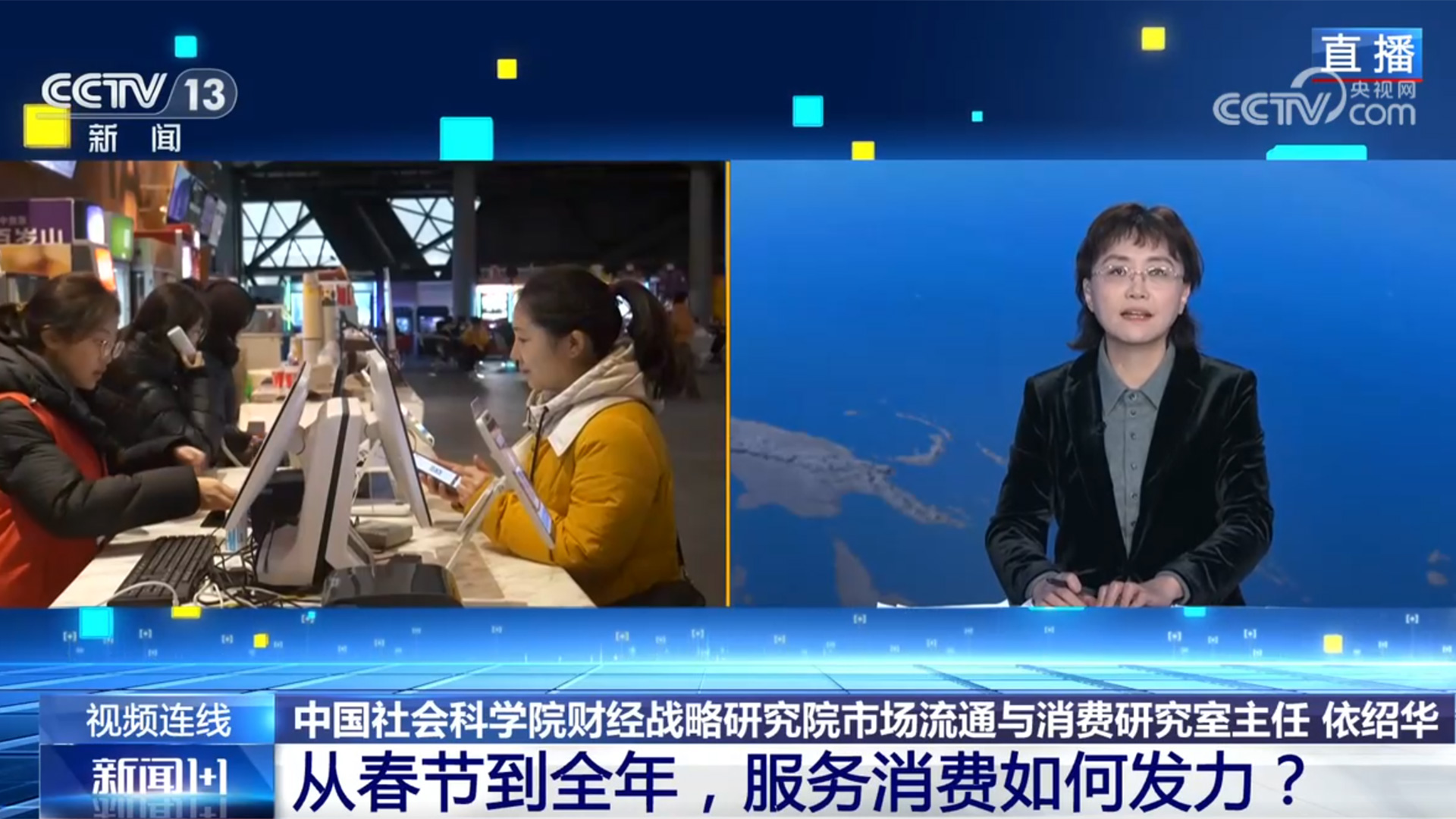
新闻1+1丨从春节到全年 服务消费如何发力?
Yang Shi Wang· 2026-02-09 21:33
Core Insights - The article emphasizes the significant shift in consumer spending towards service consumption, which is projected to account for 46.1% of per capita consumption expenditure by 2025, highlighting the need for quality upgrades in service sectors such as transportation, housekeeping, tourism, and inbound travel [1] Group 1: Changes in Supply Side - The demand for services is characterized by diversification, personalization, and quality, which drives supply innovation [1] - The supply side is evolving under policy guidance and technological empowerment, leading to innovations in business models and enriched content in sectors like cruise economy, inbound tourism, and winter sports consumption [1] Group 2: Service Consumption Demand - Service consumption has rapidly increased, transitioning from a product-centric model to a balanced focus on both goods and services [2] - Key areas of service consumption include essential services like elderly care, childcare, and housekeeping, which are experiencing strong demand, alongside rapidly growing sectors such as tourism, wellness, and entertainment [2] Group 3: Key Growth Areas - The nine service sectors identified in the "Accelerating the Cultivation of New Growth Points in Service Consumption" plan are crucial for the current service economy and are expected to become new consumption growth points [3] Group 4: Understanding Consumer Needs - Service consumption primarily aims to fulfill emotional and experiential needs, such as leisure and relaxation, while also providing practical benefits like freeing individuals from household chores [5] Group 5: Service Consumption and Livelihood - Essential services like elderly care, childcare, and housekeeping are closely tied to daily life and are foundational to service consumption [6] - Policies should support and guide these sectors to expand supply while ensuring quality, which can stimulate enterprise engagement and enable better understanding of consumer needs through data analytics [6]