酒鬼・自由爱

Search documents
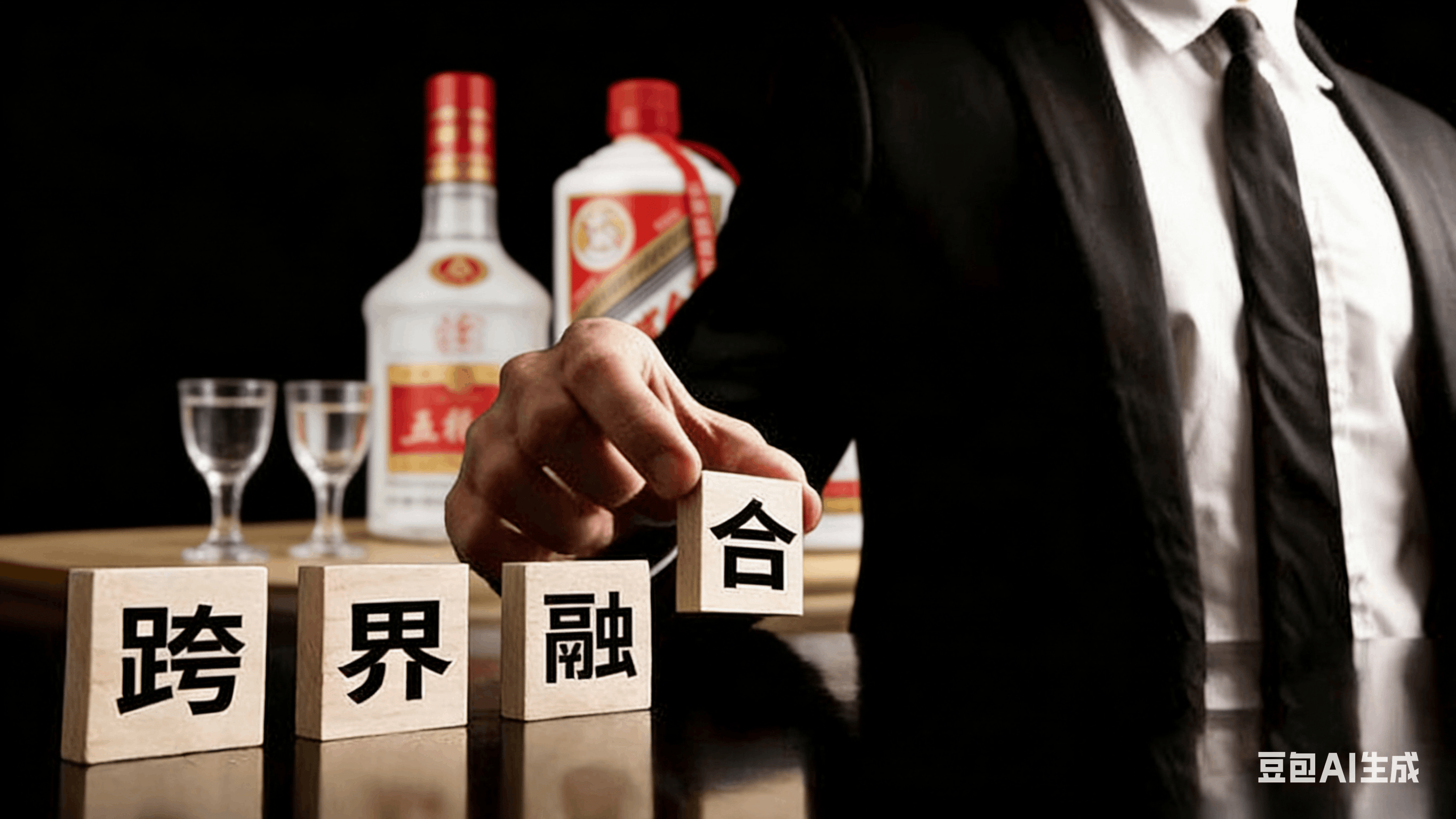
传统酒企集体“出圈”:跨界是救命稻草还是短期狂欢?
Sou Hu Cai Jing· 2025-12-04 09:32
Core Insights - The cross-industry collaborations among liquor companies have become a prominent feature during the industry's deep adjustment phase, driven by policy changes, consumption transformation, and intense competition [2] - The white liquor industry is experiencing a decline in production for the eighth consecutive year, with a 7.2% year-on-year decrease in the first quarter and 60% of companies facing price inversions [2] - The trend of cross-industry collaborations is a strategic choice for liquor companies to break through growth bottlenecks and adapt to younger consumer preferences and diverse consumption scenarios [2] Cross-Category Collaborations - Liquor companies are extending beyond traditional alcoholic beverages to adjacent consumption scenarios, such as Wuliangye's introduction of a Chinese-style craft beer "Wind Fire Wheel" [3] - Zhenjiu Li Du Group has launched a high-end super beer "Bull Market" priced at 88 yuan per bottle, expanding from banquet liquor to everyday leisure drinks [3] - The collaboration between China Resources Beer and Guyue Longshan has produced "Yue Xiao Beer," integrating yellow wine and beer with fruit flavors to cater to young consumers' preferences for light drinking [3] Sports Collaborations - The collaboration of liquor companies with sports is emerging as a new blue ocean, exemplified by Wuliangye's official partnership with FIFA 2026 World Cup [7] - Wuliangye has launched four co-branded products to meet various consumer needs, from high-end collections to everyday drinking [7] - The Jiangsu City Football League has gained popularity, significantly increasing the exposure of brands like Yanghe and Jianshiyuan [7] Cultural IP Collaborations - Cultural IP collaborations are evolving from mere symbolic associations to deeper value resonance, as seen in Yanghe's partnership with the hit film "Fengshen Part Two," achieving 10.1 billion views on Douyin [10] - Moutai's "Walk into Series" cultural products blend Chinese liquor culture with classic elements from different countries, facilitating cultural exchange [10] Channel Collaborations - Channel collaborations are transitioning from simple supply agreements to deep co-creation, with brands like Jiugui and the popular supermarket Pao Donglai achieving immediate sell-out success [12] - Hema's collaboration with Guangliang Wine and Fen Yang Wang has led to top sales in light bottle liquor [12] - Yanghe's exclusive product with JD.com leverages digital supply chains for nationwide distribution, marking a shift towards direct consumer engagement [12] Evolution of Collaboration Models - Recent cross-industry actions by liquor companies show a shift from short-term collaborations to long-term partnerships, focusing on value co-creation rather than just traffic acquisition [15] - The scope of collaboration is expanding from single-point breakthroughs to ecological synergy, with some companies building comprehensive cross-industry ecosystems [15] - The strategic rationale behind these collaborations is to address industry challenges and seek new growth trajectories amid intense competition [15] Changing Consumer Dynamics - The transformation in consumer structure is a core driver of cross-industry collaborations, with the 25-35 age group increasing from 18% in 2020 to 27% in 2024 [16] - Younger consumers prioritize brand culture, design aesthetics, and social attributes, making traditional liquor brands less appealing [16] - The diversification of consumption scenarios is prompting liquor companies to expand product forms beyond traditional business banquets and holiday gifts [16] Challenges of Cross-Industry Collaborations - Cross-industry collaborations are not without risks, including potential brand value conflicts and channel compatibility issues [18] - The traditional cultural heritage of liquor brands may clash with the trendy attributes of some collaboration fields, risking brand integrity [18] - The emergence of product homogeneity poses a challenge, as many companies enter similar collaboration spaces without core innovation [18] Future Outlook - The cross-industry collaboration trend represents a self-reform of the traditional liquor industry amid changing times, injecting innovation into the sector [19] - The future of the liquor industry will ultimately return to core competitiveness in quality and culture, with cross-industry collaborations serving as an extension of these core values [19] - As the excitement around cross-industry collaborations fades, only those companies that achieve quality upgrades and cultural innovation will thrive in the competitive landscape [19]

胖东来,与酒鬼酒联手了
财联社· 2025-07-22 01:18
Core Viewpoint - The collaboration between Pang Donglai and Jiu Gui Jiu to launch the "Jiu Gui・Zi You Ai" white wine at a significantly lower profit margin of 15.87% challenges the traditional high-end liquor market norms where profit margins typically exceed 80% [1][2]. Group 1: Product Launch and Pricing - The "Jiu Gui・Zi You Ai" white wine is priced at 200 yuan per bottle, with a comprehensive cost of 168.26 yuan, including a product cost of 155 yuan and a development cost of 13.26 yuan, resulting in a profit of 31.74 yuan [2]. - The product was launched on July 19 and is available in 13 Pang Donglai supermarkets and online platforms, although it has not yet appeared in some partner stores like Bubu Gao [1][2]. Group 2: Market Strategy and Consumer Response - The collaboration aims to leverage Pang Donglai's brand influence and customer loyalty to enhance market penetration for Jiu Gui Jiu's rich aroma flavor profile [2]. - Previous collaborations by Pang Donglai, such as the "DL Bao Feng Zi You Ai" white wine priced at 75 yuan per bottle, have shown strong consumer preference, achieving annual sales of 500 million yuan [3]. Group 3: Industry Trends and Insights - The Chinese liquor market is shifting towards lower price segments, with the most active price ranges being 100-300 yuan, 300-500 yuan, and below 100 yuan [4]. - Industry experts suggest that Pang Donglai's model may disrupt traditional pricing strategies in the liquor market, prompting companies to reassess their channel strategies and deepen collaborations with retail giants [4].