酸汤牛肉火锅

Search documents
新春走基层丨“好生态好品种好市场 ”新龙村幸福养牛三重奏
Xin Lang Cai Jing· 2026-02-13 13:10
Core Insights - The article highlights the development of the small yellow cattle industry in Xinlong Village, Anshun City, leveraging ecological resources and unique breed advantages to promote rural revitalization [1] Group 1: Industry Development - The small yellow cattle industry in Xinlong Village is presented as a successful model for rural revitalization, showcasing the tangible benefits it brings to local farmers [1] - The program emphasizes the market value and reputation of Guizhou's small yellow cattle, starting with a local dish, sour soup beef hotpot, to illustrate its cultural significance [1] Group 2: Key Factors for Success - Three main reasons are identified for the success of the cattle farming in Xinlong Village: 1. Good ecology: The excellent ecological environment is highlighted as Guizhou's primary development and competitive advantage [1] 2. Good breed: The Guizhou cattle, known for its long history of breeding, is recognized as a national geographical indication product and a protected breed, turning breeding resources into innovation and industry advantages [1] 3. Precise market alignment: The cattle are marketed to regions like the Pearl River Delta and Yangtze River Delta, ensuring good prices and income for local farmers [1]
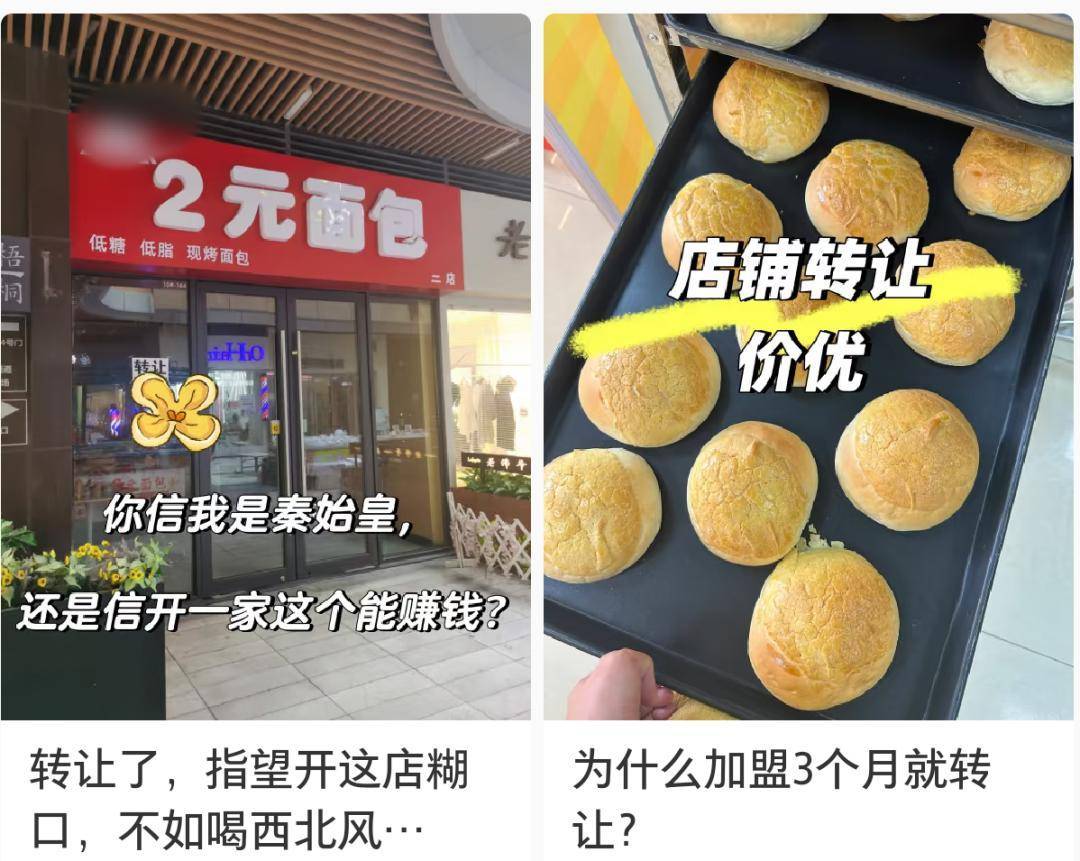
低价诱惑背后:2元面包、7元米线批量倒下,创业者何去何从?
Sou Hu Cai Jing· 2025-05-20 10:47
Core Insights - The recent trend in the food and beverage market features low-cost items like 2 yuan bread and 7 yuan beef noodle soup, attracting many entrepreneurs with stories of high earnings and rapid customer turnover [1][5] - Despite initial success, many of these businesses are facing challenges as the market becomes saturated, leading to closures and transfers of ownership [1][5][7] Market Dynamics - In Guangzhou, a concentration of 2 yuan bread and 7 yuan beef noodle soup shops has emerged, with multiple establishments opening within close proximity to each other [1] - Entrepreneurs are drawn to these low-cost, high-turnover models, but many are experiencing disappointing sales and are forced to close or transfer their businesses shortly after opening [5][7] Entrepreneurial Challenges - The influx of inexperienced entrepreneurs has intensified competition, with many opening shops without adequate market research or location analysis, resulting in financial losses [7][8] - The low entry barriers and high return expectations have led to a proliferation of similar businesses, which can dilute customer traffic and profitability [7] Sustainability Concerns - The lifecycle of small-scale food projects has shortened, with many businesses failing within months due to a lack of sustainable practices and market understanding [7][8] - Entrepreneurs are encouraged to adopt a more rational approach when selecting business ventures, emphasizing the importance of market research, competitive analysis, and strategic location selection to ensure long-term viability [8]