酸菜锅

Search documents
冰雪与炊烟
Xin Lang Cai Jing· 2026-02-27 04:57
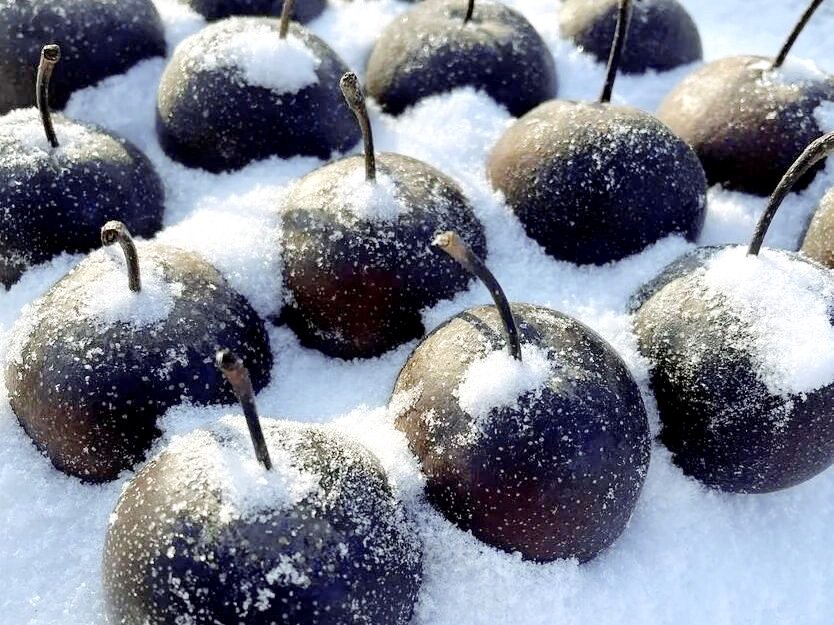
Core Viewpoint - The article highlights the unique cultural significance of traditional foods during the Spring Festival in Jinzhou, Liaoning, emphasizing the emotional and familial connections they foster. Group 1: Cultural Significance - The "frozen autumn pear" is described as a distinctive taste of Northeast China, symbolizing good fortune and sweetness during the New Year celebrations [2] - The traditional dish of sauerkraut pot, featuring homemade sauerkraut, pork belly, and blood sausage, serves as a centerpiece for family gatherings, promoting sharing and togetherness [2] Group 2: Festive Atmosphere - The preparation of frozen pears involves soaking them in cold water to create a crystal-like ice shell, enhancing the festive experience [2] - The article depicts a lively scene of family members gathering around the dinner table, sharing stories and enjoying the festive atmosphere, complemented by the sounds of traditional celebrations outside [2]

遍地「火锅刺客」,年轻人的火锅瘾都淡了丨2025年轻人「火锅」报告
后浪研究所· 2025-02-27 09:02
Core Insights - The article discusses the evolving preferences of young consumers regarding hot pot, highlighting a shift in taste and dining frequency, as well as the emergence of alternative dining options. Group 1: Hot Pot Preferences - The most popular hot pot base among young people is "spicy hot pot," favored by 74.2% of respondents, followed by "Chaozhou beef hot pot" at 57.5% [2][3] - Different age groups exhibit varying preferences, with 77.6% of post-95s favoring spicy hot pot, while over 50% of post-00s prefer tomato hot pot [5][6] - Regional preferences show that spicy hot pot is most popular in Chengdu, while other cities have their own favorites, such as sour soup hot pot in Guangzhou and tomato hot pot in Suzhou [8][10] Group 2: Hot Pot Ingredients and Dipping Sauces - Beef is the most favored hot pot ingredient, chosen by 86.6% of young consumers, followed by shrimp paste at 57.1% and lamb at 53.0% [11][12] - The most popular dipping sauce is sesame oil, with a 62.8% preference, followed by minced garlic and sesame paste [14][15] Group 3: Dining Frequency and Brand Preferences - Despite a strong interest in hot pot, the frequency of dining out has decreased, with many young people eating hot pot less than twice a month [21][22] - "Haidilao" is the leading hot pot brand, preferred by 65.6% of respondents, indicating its strong market position [23][24] Group 4: Factors Influencing Hot Pot Choices - Key factors influencing hot pot choices include taste (90.2%), freshness of ingredients (60.9%), and price (76.0%), with waiting time also becoming a significant concern [26][27] - Young consumers are increasingly price-sensitive, with over 50% willing to pay between 100-200 yuan per person for hot pot, and nearly 40% preferring options under 100 yuan [32][34] Group 5: Emerging Trends in Dining - The article notes a rise in alternative dining options such as small hot pots, grilled fish, and skewers, with small hot pot establishments growing at a rate of 33.5% [36][37] - The shift towards "one-person meals" reflects changing consumer behavior, as young people seek more affordable and convenient dining experiences [43][55]