
采茶

Search documents
一片叶“沏”出农文旅融合新画卷
Xin Lang Cai Jing· 2026-01-18 15:19
Core Viewpoint - The Nanshan Tea Sea in Guangxi's Zhaoping County is evolving into a modern ecological agricultural demonstration area, attracting over 100,000 tourists annually and generating significant income for local farmers through tea-related activities [1][3]. Group 1: Tourism and Economic Impact - The Nanshan Tea Sea receives more than 100,000 visitors each year, contributing approximately 2 million yuan to local farmers through activities such as fresh tea picking and tea sales [3]. - The county's tourism sector saw approximately 11.72 million visitors in the first three quarters of 2025, marking a year-on-year increase of about 12.11%, with tourism consumption reaching approximately 11.08 billion yuan, up by about 12.50% [5]. Group 2: Cultural and Agricultural Integration - Zhaoping County has a long history of tea cultivation, with tea serving as both a source of income for farmers and a cultural symbol, representing a slower lifestyle and a connection to nature [3]. - The development of unique accommodations, such as the "floating" space capsule hotels in the organic tea garden, exemplifies the integration of tea culture with tourism, enhancing visitor experiences [3][5]. - The county is focusing on the construction of a beautiful tea corridor, promoting deep integration between the tea industry and cultural tourism, thereby creating a model for ecological and economic prosperity [5].

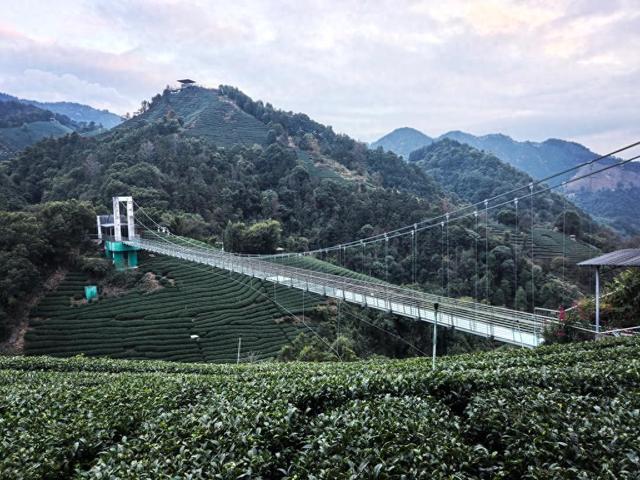
持续打造乡村旅游“好风景”
Zhong Guo Jing Ji Wang· 2025-04-23 23:50
Group 1 - The core viewpoint of the articles highlights the significant growth in rural tourism in China, with a total of 707 million visitors and revenue of 412 billion yuan in the first quarter of this year, reflecting an 8.9% and 5.6% year-on-year increase respectively [1] - Rural tourism is increasingly popular as it represents a shift in leisure preferences from crowded tourist spots to natural and authentic experiences, showcasing the effectiveness of urban-rural integration in China [1] - The development of rural tourism is supported by improved infrastructure and services, which enhance the overall visitor experience, making it a more immersive and enjoyable option compared to traditional tourist destinations [1] Group 2 - Effective marketing strategies have played a crucial role in attracting visitors to rural areas, leading to the growth of the rural service industry, job creation, and increased farmer incomes [1] - The articles emphasize the importance of high-quality content and diverse tourism products to retain visitors, suggesting that understanding tourist needs is essential for sustainable development in rural tourism [2] - Recent favorable policies, including the central government's focus on integrating culture and tourism, are expected to inject new momentum into rural tourism, promoting the development of new industries and enhancing the quality of rural tourism offerings [2][3] Group 3 - The articles note that the development of rural tourism requires ongoing investment and effort, with a strong demand for rural experiences expected to continue as consumer preferences evolve [3] - China's rich natural resources and cultural heritage provide a solid foundation for integrating traditional and modern tourism demands, indicating a promising future for rural tourism [3]