茶叶

Search documents
想在线上买点好东西,本不该这么累
虎嗅APP· 2026-03-31 14:08
Core Viewpoint - The article discusses the evolving landscape of online grocery shopping, highlighting the challenges consumers face and how companies like JD.com are addressing these issues through strategic initiatives and substantial investments in consumer trust and product quality [4][6][14]. Group 1: Consumer Challenges - Online shopping has become a tedious task for consumers, requiring extensive time and effort to compare prices and verify product quality [3][4]. - The increase in choices has led to consumer fatigue, shifting the focus from convenience to the need for informed decision-making [4][6]. Group 2: Industry Trends - Major e-commerce platforms are pivoting towards the supermarket sector as the industry matures, with a focus on retaining existing customers rather than acquiring new ones [6][11]. - The competition is shifting from merely attracting traffic to enhancing product innovation and supply chain efficiency [11][12]. Group 3: Supply and Demand Changes - The retail industry is moving from a strategy of offering a wide range of products (SKU) to a more curated selection focused on quality [8][10]. - Consumers are transitioning from a mindset of extensive product research to expecting platforms to simplify their shopping experience [9][10]. Group 4: JD.com's Strategic Initiatives - JD.com plans to invest over 20 billion yuan in product subsidies over the next three years, focusing on daily consumer goods to enhance user experience [5][14]. - The "Billion Supermarket" initiative aims to reduce decision-making costs for consumers by offering a curated selection of quality products [14][19]. Group 5: Case Studies of Success - The collaboration between JD.com and leading brands, such as the redesign of sanitary products, has resulted in significant sales growth and improved consumer trust [15][19]. - The proactive response to food safety concerns, such as the swift action taken regarding chicken feet products, demonstrates JD.com's commitment to consumer safety and quality assurance [16][18]. Group 6: New Consumer Trends - The article highlights a growing trend of women consumers exploring new beverage options, such as low-alcohol wines, indicating a shift in purchasing behavior [21][23]. - The introduction of traditional brands to younger consumers through curated platforms like JD's Billion Supermarket shows the potential for reviving interest in established products [25][27]. Group 7: Economic Context - The overall retail market is showing signs of recovery, with online retail sales growing by 10.3% year-on-year, indicating a positive shift in consumer spending [26][27]. - JD.com's grocery category has maintained double-digit growth for eight consecutive quarters, reflecting a change in consumer habits towards frequent purchases of daily necessities [27][28].



八马茶业(06980):2025年报点评:下半年恢复较好增长,期待品牌渠道齐发力
Soochow Securities· 2026-03-31 11:25
Investment Rating - The investment rating for the company is "Buy" (maintained) [1] Core Insights - The company reported a revenue of 2.196 billion yuan for 2025, representing a year-on-year increase of 2.5%, while net profit was 222.25 million yuan, a decrease of 0.93% year-on-year. Adjusted net profit was 241 million yuan, up 2.8% year-on-year [8] - The second half of 2025 showed a recovery in growth, with revenue of 1.133 billion yuan, a year-on-year increase of 9.6% [8] - The company is focusing on synergistic development across three major brands, with strong performance in Oolong and black tea categories. The core brand, Baima, accounted for 89.4% of total revenue [8] - The company is enhancing its online and offline channels, achieving nationwide coverage with a total of 3,773 stores by the end of 2025, including 3,538 franchise stores [8] - The gross profit margin improved to 55.6%, driven by increased self-production, while the sales expense ratio decreased to 32.3% [8] - The company is expected to maintain stable profitability, with projected net profits of 255 million yuan in 2026 and 294 million yuan in 2027 [8] Financial Summary - Total revenue projections for 2024A to 2028E are as follows: 2,143 million yuan (2024A), 2,196 million yuan (2025A), 2,384 million yuan (2026E), 2,643 million yuan (2027E), and 2,866 million yuan (2028E) [1] - Net profit projections for the same period are: 224.34 million yuan (2024A), 222.25 million yuan (2025A), 255.16 million yuan (2026E), 294.35 million yuan (2027E), and 326.03 million yuan (2028E) [1] - The company’s P/E ratios are projected to decrease from 7.87 in 2024A to 5.41 in 2028E, indicating a favorable valuation trend [1]
《太平年》的财富密码:“南财神”柴荣的理财智慧 | 螺丝钉带你读书
银行螺丝钉· 2026-02-28 13:52
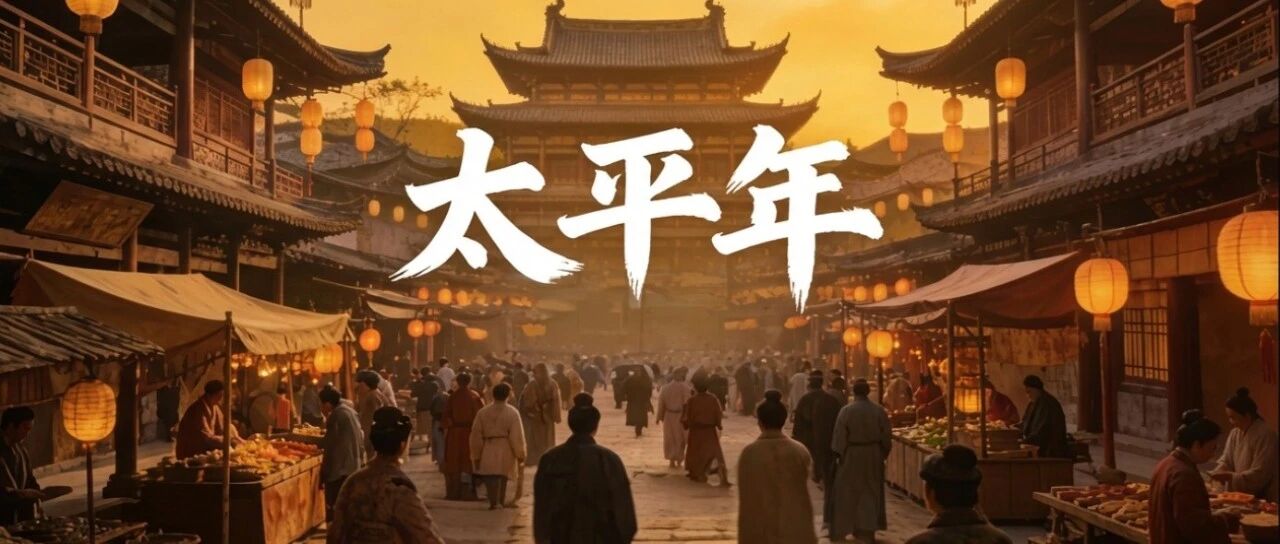
Core Viewpoint - The article discusses the investment insights derived from the historical narratives of two families in the drama "Tai Ping Nian," focusing on the financial wisdom of the Southern God of Wealth, Chai Rong, and the investment legacy of the Qian family from Wu Yue [5][6][8]. Group 1: Chai Rong's Investment Philosophy - Chai Rong, known as the "Southern God of Wealth," started his career in business by engaging in high-margin trades, particularly in tea and porcelain [15][12]. - His approach to establishing a profitable business can be summarized in three paths: high margin, high turnover, and high leverage, with high margin being the most suitable for startups [16][17]. - Chai Rong's significant contributions to state finance included the innovative decision to melt down copper Buddha statues to create currency, addressing liquidity crises during the Five Dynasties and Ten Kingdoms period [18][10]. Group 2: Economic Policies and Reforms - Chai Rong emphasized the importance of logistics and trade, implementing waterway improvements and reducing commercial taxes to facilitate trade and economic growth [21][28]. - He encouraged private enterprise by allowing commercial buildings in the capital, which led to the flourishing of markets and commerce in the Northern Song Dynasty [30][32]. - His policies aimed to create a dynamic economy where money could flow freely, thus generating value and wealth for society [37][33]. Group 3: The Qian Family Legacy - The Qian family, with a history spanning from the late Tang Dynasty to modern times, produced notable figures such as Qian Xuesen and Qian Weichang, showcasing their long-standing investment acumen [39][38]. - The article hints at exploring how the Qian family managed to maintain their investment success and legacy over centuries, indicating a deep-rooted understanding of financial principles [40].
建德市聚“有限”之力,开“深耕”新局
Hang Zhou Ri Bao· 2026-02-28 02:05
Group 1 - The core message emphasizes the need for focused development due to limited resources, urging a collaborative approach to maximize impact [1] - The city of Jiande has established clear development platforms: advanced manufacturing, cultural tourism integration, urban-rural integration, and a new era "Million Project" [1] - The advanced manufacturing platform aims to avoid homogenization by coordinating townships and industrial zones, while the cultural tourism platform focuses on enhancing local benefits [1] Group 2 - Jiande is optimizing its industrial structure by enhancing the "132X" manufacturing cluster, "1+4+X" service system, and "1+3+X" agricultural system [2] - The manufacturing sector will focus on new materials and equipment manufacturing, while the service sector will promote extreme sports and the silver economy [2] - The agricultural strategy will shift from quantity to quality, aiming to upgrade products like strawberries and tea to retain value for farmers [2]
白沙茶园小镇茶香引客来
Hai Nan Ri Bao· 2026-02-27 02:21
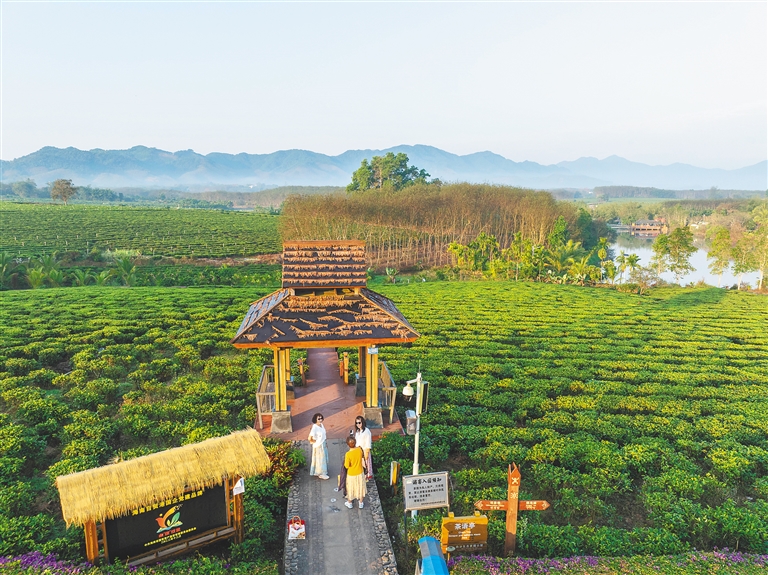
Core Viewpoint - The article highlights the growing popularity of tea tourism in Hainan, particularly in the Baisha Li Autonomous County, where visitors engage in tea picking and processing activities, enhancing their experience of local culture and agriculture [7]. Group 1: Tourism Development - The Baisha Li Autonomous County is promoting tea tourism through its ecological tea gardens and experiential tea venues, attracting visitors to engage in hands-on activities [7]. - Tourists are participating in tea picking and the traditional process of kneading tea leaves, which adds an interactive element to their visit [6][7]. Group 2: Cultural Experience - The tea tourism experience allows visitors to connect with local traditions and the agricultural practices of the region, providing a unique cultural immersion [7]. - The activities offered, such as tea picking and processing, are designed to showcase the local tea culture and enhance the overall visitor experience [6][7].
十三行风云:“巨富”潘振承如何让广货行天下
Xin Lang Cai Jing· 2026-02-26 23:52
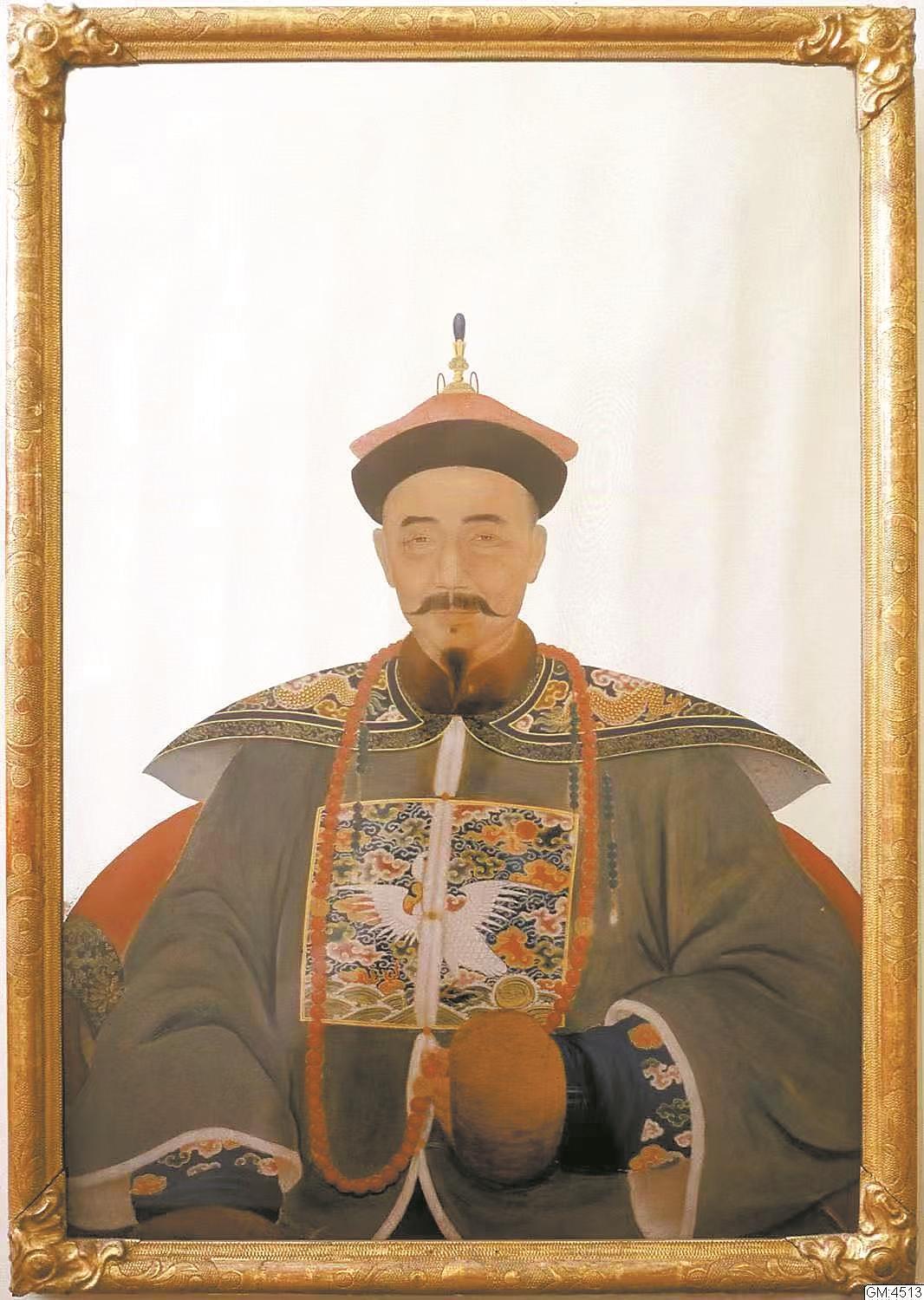
Core Insights - The article narrates the inspiring story of Pan Zhencheng, a young man from a poor family in Fujian, who transformed his life by moving to Guangzhou, ultimately becoming a successful businessman and a significant figure in the trade industry [2][3]. Group 1: Early Life and Decision to Move - Pan Zhencheng was born in 1714 in a destitute family in Fujian, where he faced severe poverty [4]. - To survive, he worked as a sailor, which exposed him to the hardships of life at sea [4][5]. - His determination led him to make a pivotal decision around 1735 to move to Guangzhou, a key trading port that allowed foreign trade after the end of the maritime ban [7]. Group 2: Business Development - Upon arriving in Guangzhou, Pan worked for a trading company, where he gained valuable experience and established a reputation for integrity [8]. - In 1760, he founded his own trading company, Tongwen Hang, during a period when the Qing government implemented a monopoly on foreign trade, focusing on tea and silk exports [8]. - Pan served as the first merchant leader of the "public trade" system, significantly contributing to the growth of his company and the broader trade environment in Guangzhou [8]. Group 3: Key Business Strategies - Pan Zhencheng's success was attributed to his commitment to integrity, exemplified by his decision to compensate for damaged goods returned by the British East India Company [9]. - He innovated by establishing large tea gardens in Fujian and implementing a comprehensive supply chain for tea production, which enhanced the quality and reputation of his products [10]. - Pan was an early adopter of financial instruments, using bills of exchange for international transactions, which improved cash flow and reduced risks [10]. Group 4: Legacy and Contributions - Beyond business, Pan invested in local infrastructure, building bridges and promoting education, which contributed to the cultural and social development of his community [12]. - His family continued his legacy, producing scholars and maintaining a strong cultural identity intertwined with their commercial success [12]. - Pan Zhencheng's life exemplified the values of integrity, openness, and innovation, which became foundational to the commercial spirit of Guangzhou [13].
第六届中国国际消费品博览会将于4月在海南省举行
Zhong Guo Xin Wen Wang· 2026-02-26 08:39
Core Viewpoint - The sixth China International Consumer Products Expo (CICPE) will be held from April 13 to 18, 2023, in Hainan Province, focusing on "Open Leading Global Consumption, Innovation Driving a Better Life" [1] Group 1: Event Overview - The CICPE is the only national-level exhibition in China themed on consumer products and is the largest consumer products exhibition in the Asia-Pacific region [1] - The main venue will be at the Hainan International Convention and Exhibition Center in Haikou, with additional international yacht and health sub-exhibition areas in Sanya and Qionghai [1] Group 2: Participation and Exhibitors - Countries participating include Canada, Switzerland, Ireland, Russia, Italy, Japan, and Singapore, with notable brands such as Estée Lauder, L'Oréal, Unilever, and Mitsubishi Corporation [1] - The event will feature a "National Trend Going Global" section showcasing technological innovations and cultural products, including robotics, AI glasses, and traditional Chinese items like porcelain and tea [1] Group 3: Economic Impact - The expo is part of China's efforts to boost consumption, continuing initiatives like the "Buy in China" series launched at the fifth expo [1] - Eight promotional activities will be held this year, including the "Buy in China" launch ceremony and the "Export to China" Silk Road e-commerce dialogue [1][2] Group 4: Historical Context - Since its inception in 2021, the CICPE has become a global platform for showcasing and trading consumer products, facilitating market entry for thousands of brands [2] - Companies like Li & Fung and Estée Lauder have established a presence in Hainan through the expo [2]
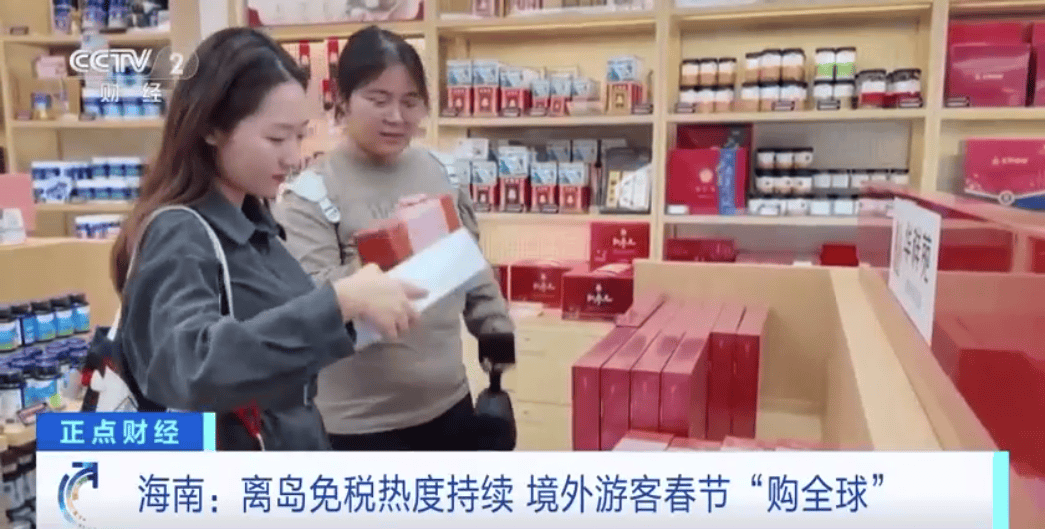
海南离岛免税热度持续!境外游客春节轻松实现“购全球”
Sou Hu Cai Jing· 2026-02-26 06:50
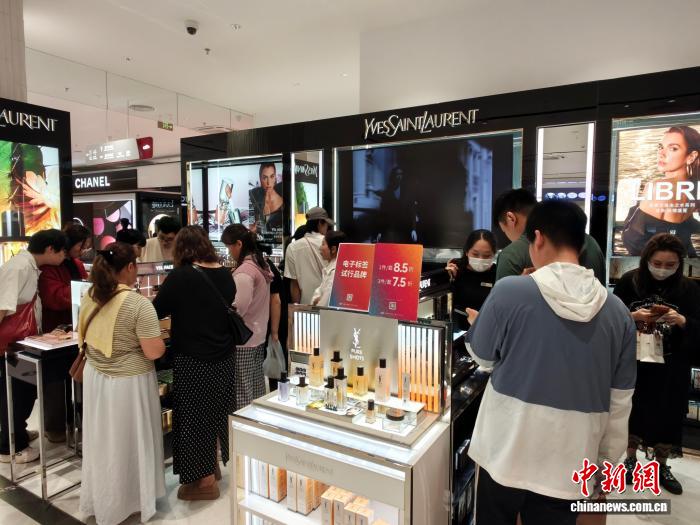
Core Viewpoint - The first Spring Festival after the implementation of the Hainan Free Trade Port's closure operation has attracted global tourists, enhancing the shopping experience with an expanded range of duty-free products available for foreign visitors since the policy upgrade in November 2025 [1][5]. Group 1: Duty-Free Shopping Experience - The variety of duty-free products available for foreign tourists has significantly increased, allowing them to enjoy a "global shopping" experience while visiting Hainan [1]. - During the Spring Festival, limited edition products and promotional items were prominently displayed in duty-free stores, attracting many consumers [3]. - A special section for Chinese cultural products, such as silk scarves, tea, and porcelain, has become a favorite area for foreign tourists [3]. Group 2: Customer Experience Enhancements - Foreign tourists have expressed satisfaction with the convenience of shopping in duty-free stores, noting the presence of many brands and the ease of payment through platforms like Alipay [5]. - A dedicated translation team has been established to assist foreign customers with shopping, and translation devices are available at service counters to improve service efficiency [7]. - From November 1, 2025, to February 23, 2026, foreign departing travelers purchased nearly 9,000 duty-free items, amounting to over 18.3 million yuan [7].
【光明论坛】多措并举扩大乡村消费
Xin Lang Cai Jing· 2026-02-25 19:59
Core Viewpoint - The 2026 Central No. 1 Document emphasizes "multiple measures to expand rural consumption," aiming to enhance consumption facilities and services, and cultivate new consumption formats and scenarios in rural areas, which is a strategic move to activate the internal driving force for comprehensive rural revitalization and respond to farmers' aspirations for a better life [1] Group 1: Expansion of Rural Consumption - Expanding rural consumption requires breaking through the "last mile" of agricultural product sales, revitalizing the original vitality in rural areas. The document proposes cultivating "harvest markets" to connect production and consumption, addressing the long-standing issues of agricultural surplus not reaching consumers [1] - The example of Guizhou Meitan illustrates how local advantages in tea production can create a new consumption scene by integrating offline exhibitions, online live streaming, and cultural experiences, effectively linking production and sales [1] Group 2: New Consumption Formats - The document highlights the cultivation of new consumption formats such as non-heritage workshops, aiming to bring traditional skills into daily consumption, thus achieving cultural inheritance, farmer income increase, and consumption upgrade [2] - The Beijing Jingxi Rice Agricultural Heritage site exemplifies this by integrating non-heritage workshops with farming culture, allowing visitors to engage in traditional farming practices and purchase related products, thereby enriching rural cultural consumption [2] - The rise of "micro-vacations" reflects a growing preference for rural landscapes, with the document advocating for the development of leisure camping as a new format to transform scenic beauty into consumption scenarios, merging ecological and economic benefits [2] Group 3: Infrastructure and Regulatory Support - Expanding rural consumption necessitates both "hardware upgrades" and "software optimization," with ongoing efforts to promote the adoption of electric vehicles and smart home appliances in rural areas, and the gradual improvement of logistics networks [3] - Continuous market regulation efforts aim to combat counterfeit products and enhance the consumption environment, promoting "quality consumption," "green consumption," and "convenient consumption" as new directions for rural consumption [3] Group 4: Innovation and Development - The integration of various practices such as "harvest markets + village broadcasting," "non-heritage + consumption," and "camping + cultural tourism" demonstrates that innovation in formats, infrastructure improvement, and service upgrades can effectively bridge urban and rural consumption cycles [3] - The document stresses the importance of leveraging local resources and identifying key points for rural consumption to stimulate economic growth and ensure that rural areas become attractive and vibrant consumption spaces [3]
(经济观察)海南自贸港免税政策发力 “乐购中国”成新风尚
Zhong Guo Xin Wen Wang· 2026-02-25 07:35
Core Insights - The Hainan Free Trade Port has seen a significant increase in duty-free shopping during the recent Spring Festival, with a notable rise in both domestic and international consumer participation [1][2][5]. Group 1: Duty-Free Shopping Performance - The total amount of duty-free shopping monitored by Haikou Customs during the Spring Festival reached 27.2 billion RMB, marking a 30.8% increase compared to the previous year [2]. - The number of items sold was 1.997 million, reflecting a year-on-year growth of 21.9% [2]. - The number of shoppers reached 325,000, which is a 35.4% increase from the previous year [2]. - CDF Haikou International Duty-Free City reported a record single-day visitor count exceeding 70,000 during the holiday [1]. Group 2: Consumer Trends and Preferences - There is a growing trend of international tourists, particularly from Russia, Malaysia, Singapore, and Thailand, visiting Hainan's duty-free stores, indicating an internationalization of the duty-free shopping market [5]. - Local residents are increasingly benefiting from duty-free policies, with the introduction of "zero tariff" policies for imported goods, allowing them to shop at duty-free stores [5]. - The first five daily consumer goods duty-free stores opened in Hainan, featuring products from countries like Germany and Switzerland, which have been well-received by local consumers [5]. Group 3: Product Offerings and Promotions - Various promotional activities, such as discounts and loyalty points, have attracted a large number of customers to duty-free stores [1]. - The product range in duty-free stores has expanded significantly, with a focus on items like chocolates, baby products, and daily necessities, which have seen high sales during the Spring Festival [7]. - The integration of domestic products, such as ceramics and clothing with Chinese elements, has attracted foreign tourists, enhancing the shopping experience [4].