金面具

Search documents
金沙太阳神鸟、金面具即将亮相成博“金线”特展
Xin Lang Cai Jing· 2026-02-06 18:56
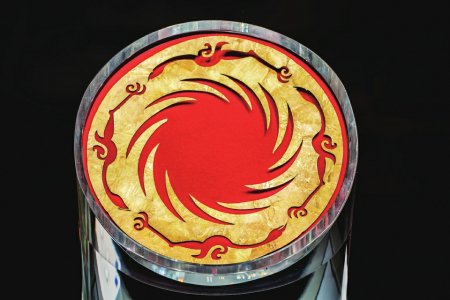
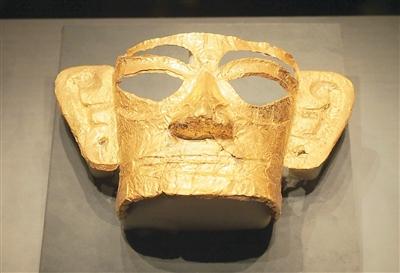
Core Viewpoint - The "Golden Line" exhibition at Chengdu Museum showcases the cultural significance of gold adornments from North Africa to East Asia, featuring rare artifacts like the Sun God Bird gold ornament and gold mask from the Sanxingdui site, enhancing the narrative of ancient civilizations and their craftsmanship [4][6][7]. Group 1: Exhibition Details - The "Golden Line" exhibition includes over 200 pieces of woven gold artifacts, highlighting the cultural exchange along the Silk Road [5][6]. - The exhibition is a result of a collaboration between Chengdu Museum and the Musée du quai Branly in France, marking its first stop in a global tour [6]. - The Sun God Bird gold ornament and gold mask have not been displayed outside the Sanxingdui Museum for nearly 18 years, adding significant value to the exhibition [4][6]. Group 2: Cultural Significance - The exhibition aims to illustrate the shared human fascination with gold and the cultural exchanges between different regions [7]. - The artifacts represent the advanced gold craftsmanship of ancient China, showcasing techniques such as hammering and hollowing, which contribute to the dialogue of civilizations along the Silk Road [6][7]. Group 3: Visitor Experience - The Chengdu Museum anticipates a surge in visitors during the Spring Festival, implementing extended hours from February 15 to March 3 to accommodate the expected influx [8]. - The museum will utilize real-time monitoring of visitor flow to guide attendees and suggest optimal visiting times to enhance their experience [8].

看古蜀文明“双星”闪耀
Ren Min Ri Bao Hai Wai Ban· 2026-01-27 03:44
Core Viewpoint - The exhibition "Double Stars Shine in the World - Sanxingdui and Jinsha Site Ancient Shu Civilization Exhibition" showcases over 200 exquisite artifacts from the Sanxingdui and Jinsha sites, highlighting the archaeological journey and rich cultural heritage of ancient Shu civilization, emphasizing its significant position in the diverse and unified structure of Chinese civilization [2] Group 1: Exhibition Overview - The exhibition is organized by the National Museum of China and the Sichuan Provincial Cultural Relics Bureau, featuring artifacts that reflect the life and spiritual world of ancient Shu ancestors [2] - It includes four thematic units: "Stunning Secret Treasures," "Dance of Gods and Humans," "Worship of Heaven and Earth," and "Mutual Appreciation," which collectively present the archaeological findings and cultural significance of the Sanxingdui and Jinsha sites [2] - The exhibition aims to deepen the audience's understanding of the multi-faceted development of Chinese civilization [2] Group 2: Artifacts and Discoveries - Significant artifacts include the gold mask, bronze human head, and various jade and bronze items, showcasing the craftsmanship and cultural practices of the ancient Shu civilization [2][3] - The exhibition features 108 artifacts from the Jinsha site, including 37 items that have never been exhibited before, such as the bronze standing figure and beast-head jade [3] - The gold crown and the Sun Bird gold ornament from the Jinsha site are highlighted as symbols of ancient Shu's artistic achievements, with the gold ornament having a gold content of 94.2% [5] Group 3: Archaeological Significance - The Sanxingdui and Jinsha sites are recognized as major archaeological discoveries, with the Sanxingdui site being re-excavated in 2019, revealing six new sacrificial pits [2] - The exhibition features a rare display of two crown masks from the Sanxingdui site, marking the first time these iconic bronze masks have been exhibited together since their discovery [6] - The artifacts demonstrate a close cultural connection between the two sites, reflecting the continuity of ancient Shu civilization [5][6] Group 4: Visitor Engagement - The exhibition incorporates various interactive elements such as Braille descriptions, NFC sensing, touchable exhibits, and audio guide QR codes to enhance visitor engagement and understanding of ancient Shu civilization [7] - The exhibition is set to run until August 18 [8]
古蜀珍宝到国博“出差”,总共分几步?
Xin Lang Cai Jing· 2026-01-21 19:36
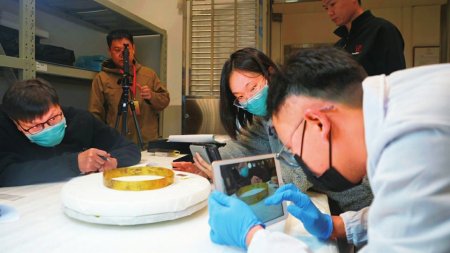
Core Viewpoint - The exhibition "Double Stars Shine in the World - Sanxingdui and Jinsha Site Ancient Shu Civilization Exhibition" opened at the National Museum of China, showcasing over 200 exquisite artifacts from the ancient Shu civilization, highlighting the peaks of the Sanxingdui and Jinsha sites [4]. Group 1: Exhibition Overview - The exhibition features a rich collection of bronze, jade, and gold artifacts, presenting a comprehensive view of the brilliance of ancient Shu civilization during the Bronze Age [4]. - The exhibition is a result of meticulous planning and adherence to legal regulations, ensuring the safe transport and display of cultural relics [5]. Group 2: Artifact Transportation Process - The process of transporting artifacts involves multiple rigorous steps, starting with a health check and maintenance to assess their suitability for travel [5]. - A detailed loan agreement is signed, covering the duration of the exhibition and protection standards before the artifacts are allowed to be displayed [5]. - The artifacts undergo a thorough verification process involving the collection unit, borrowing museum, and transportation company, ensuring all conditions are documented [6]. Group 3: Packaging and Transportation - Artifacts are packaged using multiple layers of protection, following national standards for artifact packaging and transportation [6]. - The transportation vehicles are equipped with temperature and humidity control systems, ensuring a safe environment for the artifacts during transit [6]. - Upon arrival, experienced professionals from the Jinsha Site Museum oversee the exhibition setup, ensuring all display conditions meet protection requirements [9]. Group 4: Special Features of Artifacts - The exhibition includes unique artifacts such as jade and bronze sculptures, each requiring specific handling and transportation methods [8]. - Specialized tools are used for the verification of different types of artifacts, ensuring their condition is accurately assessed [8]. - Custom packaging materials, such as acid-free paper and tailored containers, are utilized to protect the artifacts from environmental damage [8]. Group 5: Future Highlights - Notable artifacts like the Sun God Bird gold ornament and gold mask will be featured later in the exhibition, with specific dates announced for their display [9]. - The exhibition will conclude on August 18, after which all artifacts will be returned to the Jinsha Site Museum [9].
三星堆戴冠纵目面具“历史性聚首”
Xin Lang Cai Jing· 2026-01-20 19:54
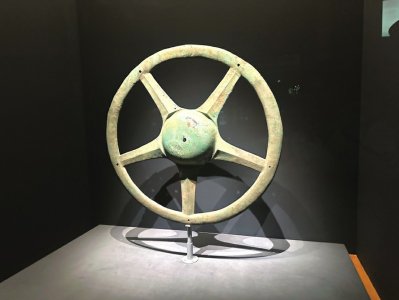
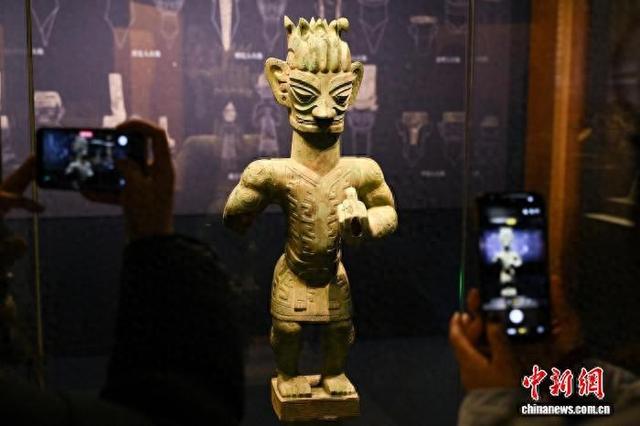
Core Viewpoint - The exhibition "Double Stars Shine in the World - Ancient Shu Civilization Exhibition of Sanxingdui and Jinsha Sites" showcases over 200 exquisite artifacts from the Sanxingdui and Jinsha sites, reflecting the life and spiritual world of ancient Shu ancestors and their close ties with the Central Plains and the Yangtze River basin [8][10]. Group 1: Exhibition Overview - The exhibition is guided by the National Cultural Heritage Administration and organized by the National Museum of China and the Sichuan Provincial Cultural Heritage Administration, opening on January 18 and running until mid-August [8]. - It features four thematic units: "Stunning Secrets," "Dance of Gods and Humans," "Worship of Heaven and Earth," and "Mutual Appreciation," highlighting the unique value of ancient Shu civilization [8][10]. - The exhibition includes 108 artifacts from the Jinsha site, with 37 pieces never exhibited outside since the museum's opening, including iconic items like the bronze standing figure and beast-head jade pendant [8][10]. Group 2: Notable Artifacts - The exhibition features significant artifacts such as the bronze beast mask, sun-shaped bronze vessels, and the bronze figure known as the "Bronze Fitness Coach," showcasing the creativity and imagination of ancient Shu people [10][12]. - A historic gathering occurs with the display of two crown-shaped eye masks from the Sanxingdui Museum and the National Museum of China, marking the first time these iconic bronze masks are exhibited together since their discovery in 1986 [11]. - The exhibition also highlights the gold mask copper human head, known for its combination of gold foil and bronze, and is considered the most complete gold mask from the Shang and Zhou dynasties in China [12]. Group 3: Archaeological Significance - The discoveries at the Sanxingdui and Jinsha sites are recognized as major archaeological finds of the 20th and early 21st centuries, showcasing the harmonious coexistence of ancient Shu civilization with its natural environment [10]. - The exhibition emphasizes the importance of ancient Shu civilization in the context of China's diverse and unified cultural landscape, contributing unique insights into human civilization [12]. Group 4: Accessibility and Engagement - The exhibition incorporates multi-dimensional sensory experiences and inclusivity features, such as Braille descriptions, NFC sensing, touchable exhibits, and audio guide QR codes, ensuring accessibility for all visitors, including those with disabilities [12].
到国博感受古蜀文明“双星耀世”
Xin Lang Cai Jing· 2026-01-19 23:20
Core Viewpoint - The "Double Stars Shine Together - Sanxingdui and Jinsha Site Ancient Shu Civilization Exhibition" opened at the National Museum of China, showcasing over 200 artifacts and highlighting the unique value of the ancient Shu civilization [1][2]. Group 1: Exhibition Overview - The exhibition is guided by the National Cultural Heritage Administration and organized by the National Museum of China and the Sichuan Provincial Cultural Heritage Administration, running for seven months [1]. - It features four thematic sections: "Stunning Secrets," "Dance of Gods and Humans," "Worship of Heaven and Earth," and "Mutual Appreciation," presenting the archaeological journey and cultural heritage of the Sanxingdui and Jinsha sites [1]. Group 2: Artifacts and Highlights - The exhibition includes significant artifacts such as bronze human heads with gold masks, bronze standing figures, and jade ceremonial objects, illustrating the grandeur of ancient Shu society [2]. - Notably, 37 artifacts from the Jinsha Site Museum are on display for the first time due to museum renovations, including the renowned bronze standing figure and beast-head jade [2][3]. - The exhibition features a historic gathering of the crowned bronze masks from both the Sanxingdui Museum and the National Museum of China, marking their first appearance together since 1986 [3]. Group 3: Visitor Experience - The exhibition is designed to be accessible, with features such as tactile models, NFC interactions, and audio guides to enhance the experience for all visitors, including those with disabilities [3]. - The immersive experience allows visitors to engage deeply with the ancient Shu civilization, creating a memorable cultural encounter [3].
金沙青铜立人等200余件(套)文物共同呈现璀璨古蜀文明
Xin Lang Cai Jing· 2026-01-18 10:11
Core Viewpoint - The "Double Stars Shine in the World - Sanxingdui and Jinsha Site Ancient Shu Civilization Exhibition" opened at the National Museum of China, showcasing over 200 exquisite artifacts that depict a vibrant ancient Shu society [1][3]. Group 1: Exhibition Details - The exhibition features artifacts from multiple institutions, including the Sanxingdui Museum and the Jinsha Site Museum, with 37 items being displayed for the first time due to the temporary closure of the Jinsha Site Museum for preservation [3][6]. - Notable exhibits include a bronze standing figure and two sets of six bronze human heads, which suggest a continuity between the Sanxingdui and Jinsha cultures [3][6]. Group 2: Cultural Significance - The exhibition is divided into four sections: "Stunning Secret Treasures," "Humans and Gods Dance Together," "Worshiping Heaven and Earth," and "Mutual Integration and Appreciation," highlighting the archaeological journey and rich cultural heritage of the ancient Shu civilization [6]. - The display of the crown-wearing bronze mask from the Sanxingdui Museum alongside a similar artifact from the National Museum marks the first time these iconic bronze masks have been exhibited together since their discovery in 1986 [6]. Group 3: Future Exhibits - Additional significant artifacts, including the gold mask and the Sun God Bird gold ornament, are scheduled to be displayed in April and June, respectively, further emphasizing their importance in Chinese cultural heritage [6]. Group 4: Exhibition Duration - The exhibition will run until August 18 [7].
“双星耀世——三星堆—金沙遗址古蜀文明展”将在国博展出
Xin Lang Cai Jing· 2026-01-07 11:01
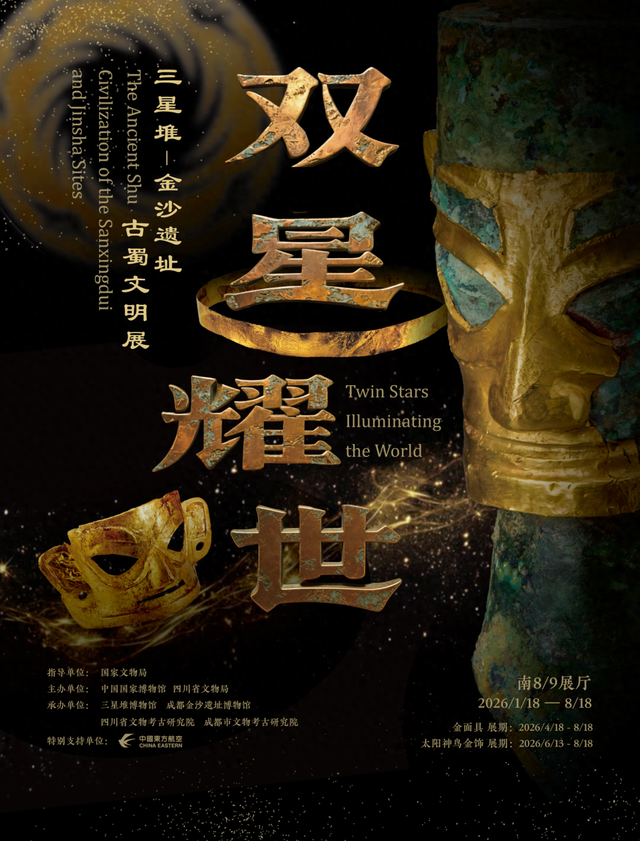
Core Viewpoint - The "Double Stars Shine the World - Sanxingdui and Jinsha Site Ancient Shu Civilization Exhibition" will open to the public on January 18, 2026, for a duration of seven months, showcasing over 200 exquisite cultural relics from various institutions [1][3]. Group 1: Exhibition Details - The exhibition is guided by the National Cultural Heritage Administration and hosted by the National Museum of China and the Sichuan Provincial Cultural Heritage Administration [1]. - It will take place in the South 8 and South 9 exhibition halls of the National Museum of China [3]. - The exhibition aims to connect the ancient Shu civilization with contemporary society, offering insights into the past and future [1]. Group 2: Featured Artifacts - Key artifacts include the Golden Mask, which will be on display from April 18 to August 18, and the Sun God Bird Gold Ornament, displayed from June 13 to August 18 [1].
揭开青藏高原文明崛起与民族融合的壮丽诗篇
Xin Lang Cai Jing· 2025-12-25 22:30
Core Insights - The exhibition titled "At the Summit of Snowy Mountains, Source of Great Rivers - The Rise of Civilization and Ethnic Integration on the Tibetan Plateau" showcases 425 precious cultural relics from 29 cultural institutions, revealing the deep history of human conquest and cultural exchange on the Tibetan Plateau [8] Group 1: Human Activity on the Tibetan Plateau - Human activity on the Tibetan Plateau dates back at least 160,000 years, as evidenced by the discovery of a Denisovan jawbone in Gansu Province [9][10] - The archaeological site in the Garzê Tibetan Autonomous Prefecture yielded stone tools dating back 220,000 years, indicating early human adaptation to high-altitude environments [10][11] Group 2: Transition to Agriculture - The transition from hunting to agriculture on the Tibetan Plateau is evidenced by Neolithic artifacts, such as a bar-shaped stone axe from the Karuo site, dating back approximately 5,000 years [12] - Cultural exchanges during the Tang Dynasty led to the flourishing of Tibetan civilization, with artifacts from various ethnic groups showcasing the rich cultural tapestry of the region [12][13] Group 3: Ethnic Integration - The exhibition highlights the close interactions among various ethnic groups on the Tibetan Plateau, dating back 5,000 years, with evidence of shared architectural practices and cultural artifacts [14] - The integration of the Tuyuhun and Tibetan cultures is exemplified by artifacts from the Tuyuhun royal tombs, showcasing the historical connections between these groups [13][14] Group 4: Governance and Administration - The exhibition features artifacts that reflect the governance of the Tibetan region by the central Chinese authorities during the Yuan, Ming, and Qing dynasties, illustrating the administrative structures established to manage ethnic affairs [16][17] - The Qing Dynasty's establishment of the Dalai Lama system and the governance of Tibet through appointed officials marked a significant period of centralized control and ethnic integration [17]
三星堆的眼睛:透视出他们的天上人间
Jing Ji Guan Cha Bao· 2025-12-24 03:05
Core Viewpoint - The article explores the unique artistic expressions of the Sanxingdui culture, particularly focusing on the significance of eye motifs in bronze statues and masks, which are believed to be related to ancient rituals and beliefs [1][2]. Group 1: Artistic Features - The Sanxingdui site is renowned for its distinctive bronze figures and masks, characterized by exaggerated eye shapes that have become iconic symbols of the site [1]. - The bronze figures typically feature prominent eyes, with two main styles: one with almond-shaped eyes and another with protruding cylindrical pupils [2][4]. - Eye-shaped bronze ornaments found in sacrificial pits suggest a ritualistic significance, possibly used in the assembly of masks and statues [2][3]. Group 2: Cultural Significance - Scholars agree that the unique styles of the Sanxingdui figures and masks are linked to religious practices, although definitive textual evidence is lacking [2]. - The concept of eye worship is central to the spiritual world of the ancient Shu people, as indicated by various historical texts and archaeological findings [2][9]. - The exaggerated representation of eyes in Sanxingdui art reflects a deep cultural expression rather than mere artistic imagination, indicating a sophisticated understanding of human anatomy [8]. Group 3: Comparative Analysis - The stone figures from Sanxingdui exhibit simpler facial features compared to the bronze figures, suggesting a different artistic approach and possibly a different function [4]. - The discovery of kneeling stone figures with similar artistic traits in related cultures, such as the Twelve Bridges and Jinsha cultures, indicates a shared artistic tradition in the region [4]. - The recent findings of bronze kneeling figures with unique hairstyles and clothing styles suggest interactions with cultures from the middle reaches of the Yangtze River [6].
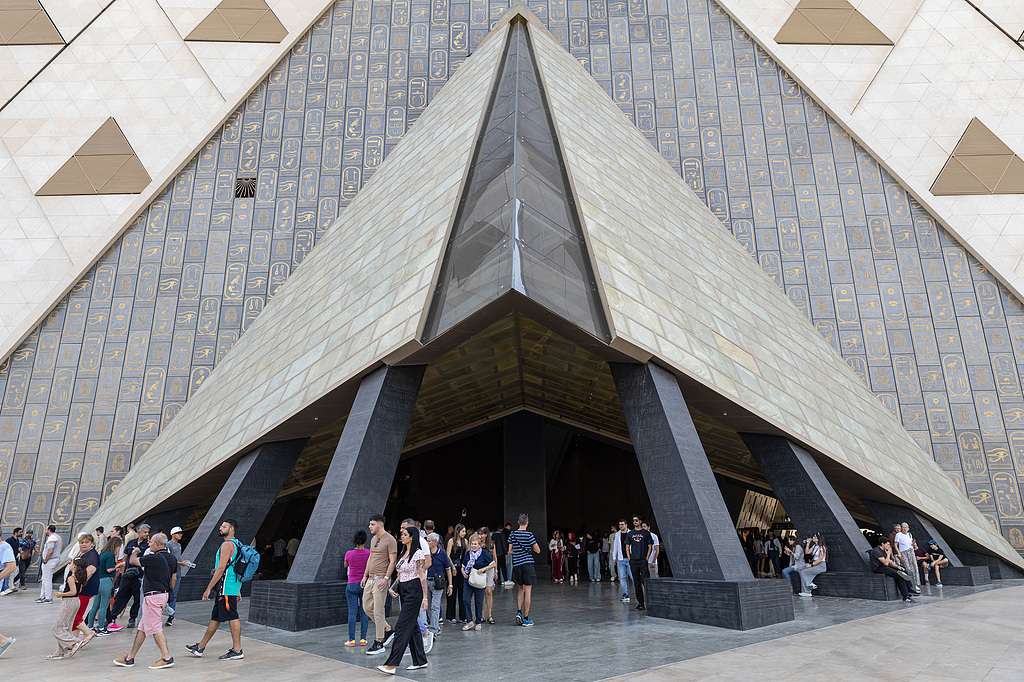
大埃及博物馆掀开神秘面纱
Huan Qiu Shi Bao· 2025-11-13 22:45
Core Insights - The Grand Egyptian Museum, a monumental project costing $1.1 billion and taking 22 years to complete, has finally opened to the public, showcasing Egypt's rich history and culture [1][3][10] Architecture and Design - The museum's architecture is a blend of granite and glass, covering an area of 500,000 square meters, designed to connect ancient and modern Egypt through a carefully planned axis leading to the Great Pyramid of Giza [1][3][6] - The entrance features an 87-ton obelisk and a 45-meter high "pyramid wall," creating a dramatic visual impact that draws visitors into the historical narrative [3][6] Exhibits and Collections - The museum houses nearly 6,000 artifacts from the tomb of the young Pharaoh Tutankhamun, marking the first time these treasures have been displayed together in such a grand space since their discovery in 1922 [7][8] - Notable exhibits include Tutankhamun's gold mask and the solar boat of Pharaoh Khufu, which is 43.5 meters long and dates back over 4,600 years, showcasing ancient engineering prowess [8][9] Sustainability and Technology - The museum incorporates advanced energy-saving technologies and a large artifact restoration center, emphasizing the balance between exhibition and preservation [9] - Solar panels and a sophisticated monitoring system are in place to ensure optimal conditions for the artifacts, including real-time alerts for any environmental changes [9][10] Cultural Significance - The opening of the Grand Egyptian Museum is seen as a revival of ancient Egyptian civilization, blending history with modernity and offering a new narrative for future generations [10]