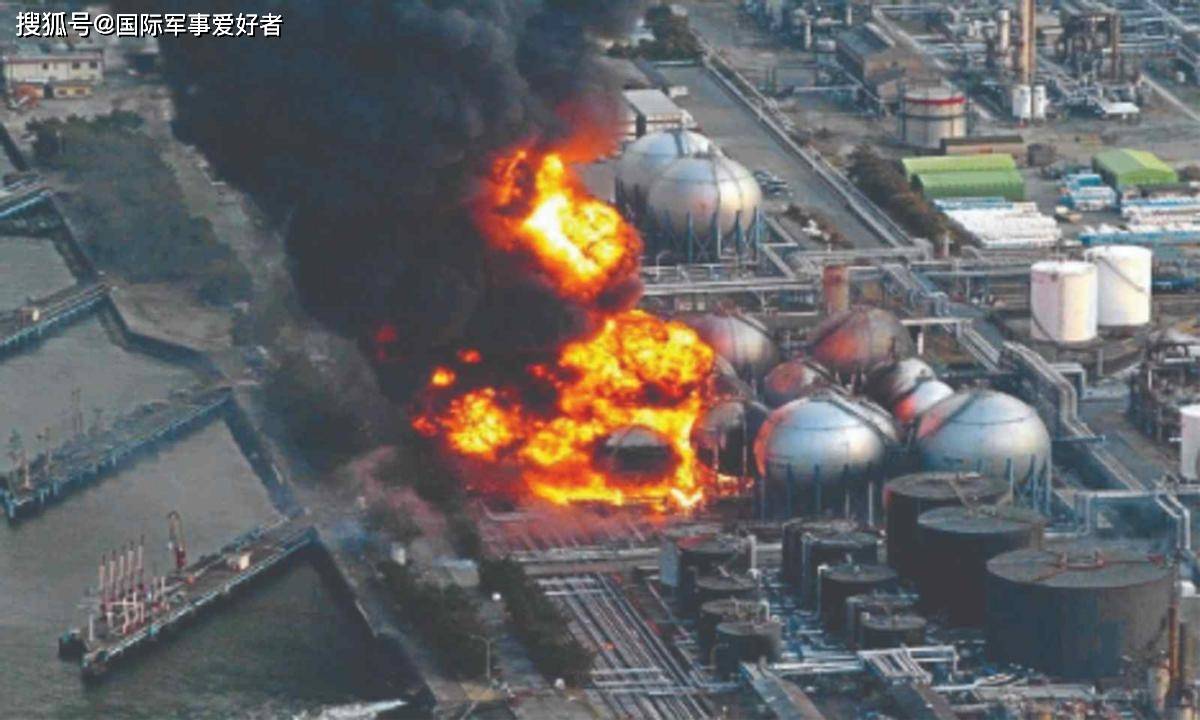
钍熔盐堆

Search documents
真是天佑中华!中美博弈最激烈的关键时刻,内蒙发现超级核矿
Sou Hu Cai Jing· 2025-12-07 11:55
Group 1 - The article discusses the impact of tariffs imposed by the U.S. on Chinese exports, totaling $600 billion, which has led to increased inflation in the U.S. and a 5% decrease in Chinese exports [1][3] - The trade conflict is not only an economic issue but also concerns technological and energy dominance, with both countries taking strong stances [3][10] - The discovery of significant thorium resources in the Baiyun Obo mine, which holds 41% of the world's proven reserves, is highlighted as a strategic asset for China [3][5] Group 2 - Thorium, a radioactive metal with potential for energy generation, has been confirmed in the Baiyun Obo mine, with reserves exceeding one million tons, sufficient to meet China's energy needs for thousands of years [5][7] - China's interest in thorium dates back to the 1970s, with significant advancements in research and development leading to the construction of a thorium reactor expected to operate by 2023 [8][12] - The thorium-based molten salt reactor technology is designed to be safe and efficient, with plans for commercialization by 2035, positioning China as a leader in clean nuclear energy [8][14] Group 3 - The U.S. has historically attempted to control energy dominance through military and economic means, but China's thorium resources may shift the balance of power in energy negotiations [10][12] - Despite challenges in thorium mining and environmental regulations, the advancements in technology present a significant opportunity for China [12][14] - The Baiyun Obo mine is seen as a strategic asset that could contribute to global sustainable development, reinforcing China's position in the energy sector amid increasing U.S.-China competition [14]

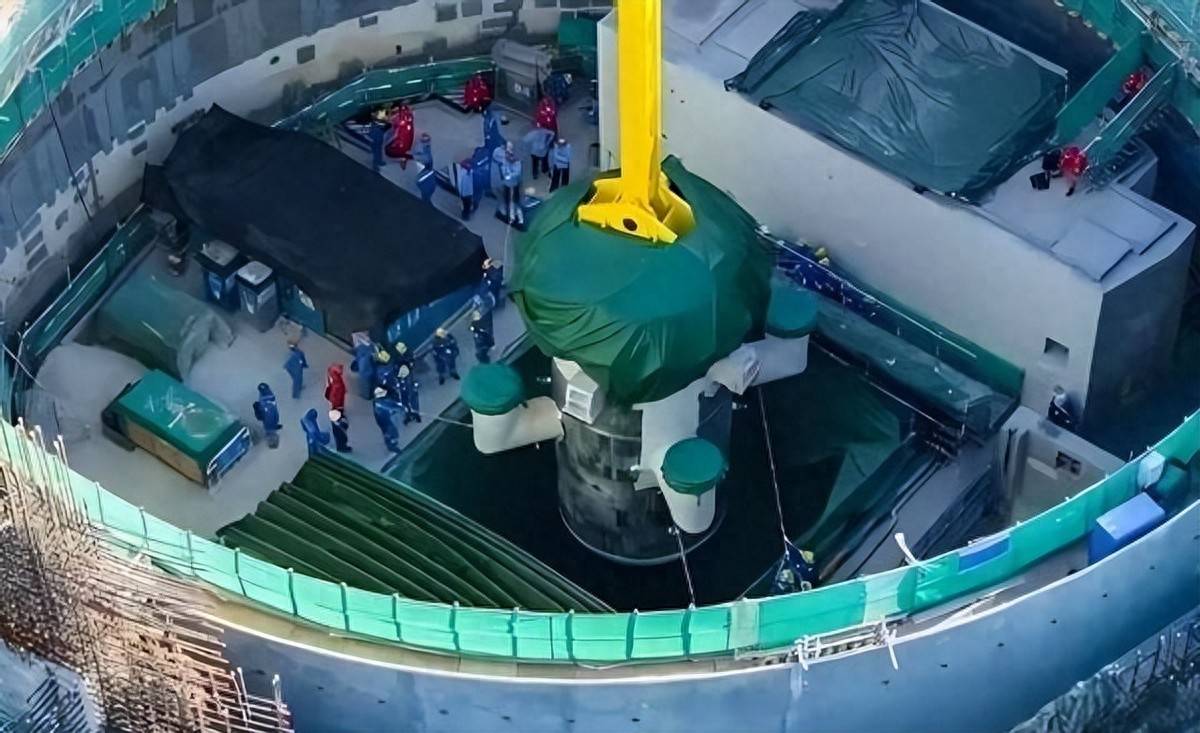
中德能源对决炸场!钍堆狂飙2兆瓦VS德国核爆自废武功
Sou Hu Cai Jing· 2025-11-05 14:03
Group 1 - The core of the article highlights the contrasting energy strategies of China and Germany, with China advancing its thorium molten salt reactor technology while Germany dismantles its nuclear power infrastructure [1][4][10] - China's thorium molten salt reactor, TMSR-LF1, operates at a stable power of 2 megawatts and utilizes liquid molten salt as both coolant and fuel carrier, achieving high operational temperatures of up to 700°C [3][6] - China possesses 30% of the world's thorium reserves, exceeding 1 million tons, which is projected to meet energy demands for thousands of years, showcasing a significant advantage over its limited uranium resources [3][6] Group 2 - Germany's decision to decommission the Gundremmingen nuclear power plant, which previously supplied 5% of the nation's electricity, is framed as a consequence of populism and public fear surrounding nuclear energy [4][6] - Following the nuclear phase-out, Germany saw an increase in coal power generation from 35% to 46%, leading to a rise in carbon emissions, contradicting the environmental goals of the energy transition [4][6] - The cost of electricity in Germany rose from €0.3 to €0.5 per kilowatt-hour post-phase-out, negatively impacting industrial competitiveness, while China's thorium reactor approaches a cost of approximately ¥0.2 per kilowatt-hour [6][7] Group 3 - The article emphasizes that China's strategic approach to thorium molten salt technology is a culmination of 50 years of research, contrasting with Germany's retreat from nuclear energy driven by populist sentiments [6][7] - The thorium molten salt reactor produces nuclear waste with a half-life of only 300 years, significantly shorter than the millennia-long waste from uranium reactors, presenting a safer alternative [6][7] - The global nuclear energy landscape is shifting, with countries like the US and Japan also reviving nuclear projects, while China explores innovative applications of nuclear energy beyond traditional uses [7][10]