钛保温杯

Search documents
西媒:中国又开始反人类,曾经比黄金还贵的钛,中国拿它造锅
Sou Hu Cai Jing· 2026-02-09 05:11
Core Viewpoint - Titanium has transitioned from a strategic military resource to a widely accessible material in everyday life, marking a significant shift in its application and value perception in China [1][23]. Group 1: Properties and Applications of Titanium - Titanium possesses remarkable properties: it is lightweight like aluminum, stronger than steel, and highly resistant to corrosion, making it suitable for various applications [3][5]. - The metal's biocompatibility allows it to be used in medical devices such as artificial joints and dental implants, promoting natural cell growth on its surface [5][12]. - Historically, titanium was primarily used in military applications, such as the SR-71 Blackbird reconnaissance aircraft, due to its ability to withstand extreme temperatures and maintain structural integrity [7][10]. Group 2: Historical Context and Technological Development - During the Cold War, both the US and the Soviet Union faced challenges in titanium production, leading to secret procurement strategies and reliance on each other's resources [8][10]. - China's titanium industry faced significant hurdles due to technological limitations, despite having the world's largest titanium ore reserves, resulting in a reliance on imported titanium products [12][14]. - The breakthrough in titanium production technology in the 1970s allowed China to overcome previous barriers, leading to the establishment of a self-sufficient titanium industry [15][14]. Group 3: Market Transformation and Consumer Adoption - By the 21st century, advancements in manufacturing technology enabled China to significantly increase its titanium production, reaching 20.3 million tons in 2023, accounting for 62.4% of global output [14][21]. - Titanium has now entered the consumer market with products like cookware, water bottles, and eyeglass frames, reflecting a shift from military to civilian use [17][19]. - The cost of titanium products has decreased substantially, with entry-level titanium eyeglass frames now priced at 399 yuan, a 67% reduction compared to a decade ago, making them accessible to a broader audience [21][19]. Group 4: Implications for the Industry - The transformation of titanium from a strategic resource to a common material illustrates the evolution of China's manufacturing capabilities and its impact on global supply chains [23]. - The growth of the titanium consumer market has strengthened the industry's resilience, creating a virtuous cycle of production efficiency and technological advancement [21][23]. - The widespread availability of titanium products signifies a shift in consumer perception, positioning titanium as a mainstream material rather than a luxury item [1][23].

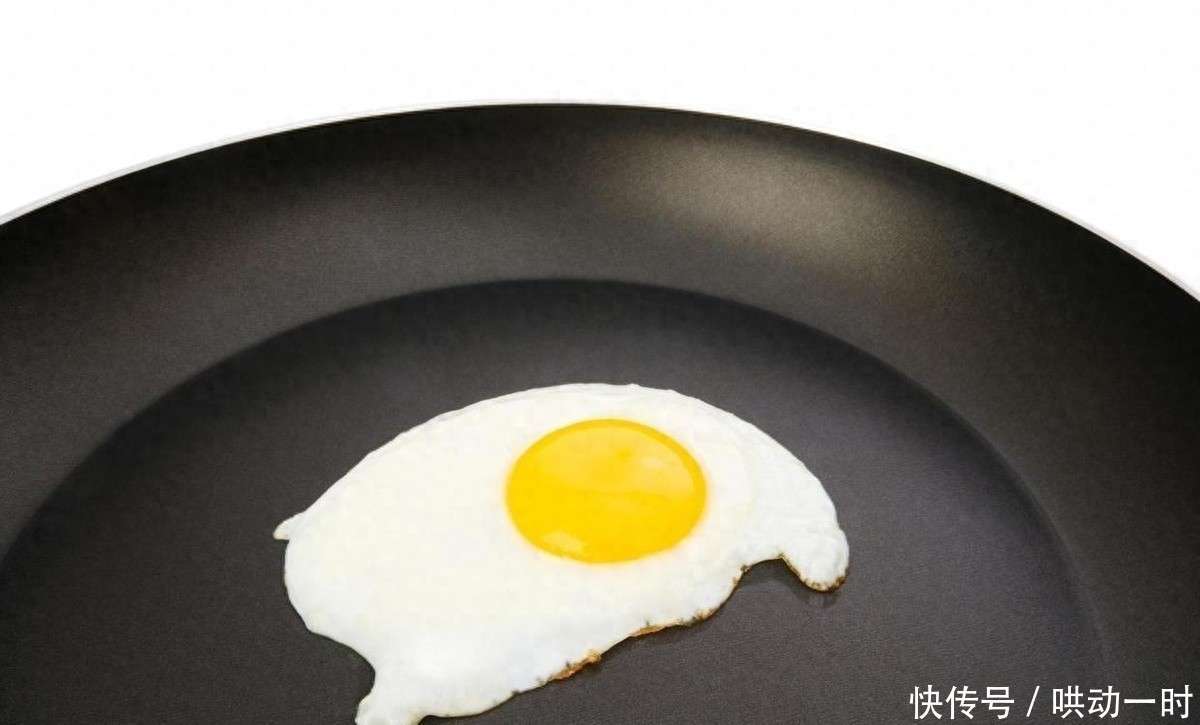
以前连中情局都得偷着买,现在中国拿它造锅,咱们把价格打下来了
Sou Hu Cai Jing· 2026-01-05 15:21
Core Viewpoint - The article discusses the transformation of titanium from a high-value strategic material during the Cold War to an affordable everyday product in China, highlighting the country's industrial capabilities and dominance in titanium production [1][5][9]. Group 1: Historical Context - During the Cold War, titanium was a coveted resource, with the U.S. and the Soviet Union competing for its supply for military applications, particularly in aircraft and submarines [1][3]. - The U.S. faced challenges in titanium extraction and had to resort to covert operations to acquire titanium from the Soviet Union, which was crucial for the SR-71 Blackbird reconnaissance aircraft [1][3][5]. Group 2: Current Industry Landscape - China is now the world's largest producer of sponge titanium, accounting for over 60% of global production, with significant contributions from regions like Sichuan and Shaanxi [1][5][7]. - The production of sponge titanium in China has surged from a few thousand tons in 2010 to over 200,000 tons in 2023, surpassing the combined output of all other countries [5][7]. Group 3: Market Transformation - Titanium has transitioned from a material used exclusively in high-end military applications to everyday consumer products, such as cookware, water bottles, and eyeglass frames [1][7][9]. - The affordability of titanium products, such as a titanium cooking pot priced at a few hundred yuan, reflects a significant shift in market perception and accessibility [7][9]. Group 4: Industrial Implications - The growth of the titanium industry in China is supported by a robust domestic market, which allows for stable production and cost distribution across the supply chain [9]. - The diversification into civilian applications is essential for sustaining the titanium industry, as military demand alone is insufficient to support the extensive production capabilities [9].