
钛锅

Search documents
西媒:中国又开始反人类,曾经比黄金还贵的钛,中国拿它造锅
Sou Hu Cai Jing· 2026-02-09 05:11
Core Viewpoint - Titanium has transitioned from a strategic military resource to a widely accessible material in everyday life, marking a significant shift in its application and value perception in China [1][23]. Group 1: Properties and Applications of Titanium - Titanium possesses remarkable properties: it is lightweight like aluminum, stronger than steel, and highly resistant to corrosion, making it suitable for various applications [3][5]. - The metal's biocompatibility allows it to be used in medical devices such as artificial joints and dental implants, promoting natural cell growth on its surface [5][12]. - Historically, titanium was primarily used in military applications, such as the SR-71 Blackbird reconnaissance aircraft, due to its ability to withstand extreme temperatures and maintain structural integrity [7][10]. Group 2: Historical Context and Technological Development - During the Cold War, both the US and the Soviet Union faced challenges in titanium production, leading to secret procurement strategies and reliance on each other's resources [8][10]. - China's titanium industry faced significant hurdles due to technological limitations, despite having the world's largest titanium ore reserves, resulting in a reliance on imported titanium products [12][14]. - The breakthrough in titanium production technology in the 1970s allowed China to overcome previous barriers, leading to the establishment of a self-sufficient titanium industry [15][14]. Group 3: Market Transformation and Consumer Adoption - By the 21st century, advancements in manufacturing technology enabled China to significantly increase its titanium production, reaching 20.3 million tons in 2023, accounting for 62.4% of global output [14][21]. - Titanium has now entered the consumer market with products like cookware, water bottles, and eyeglass frames, reflecting a shift from military to civilian use [17][19]. - The cost of titanium products has decreased substantially, with entry-level titanium eyeglass frames now priced at 399 yuan, a 67% reduction compared to a decade ago, making them accessible to a broader audience [21][19]. Group 4: Implications for the Industry - The transformation of titanium from a strategic resource to a common material illustrates the evolution of China's manufacturing capabilities and its impact on global supply chains [23]. - The growth of the titanium consumer market has strengthened the industry's resilience, creating a virtuous cycle of production efficiency and technological advancement [21][23]. - The widespread availability of titanium products signifies a shift in consumer perception, positioning titanium as a mainstream material rather than a luxury item [1][23].

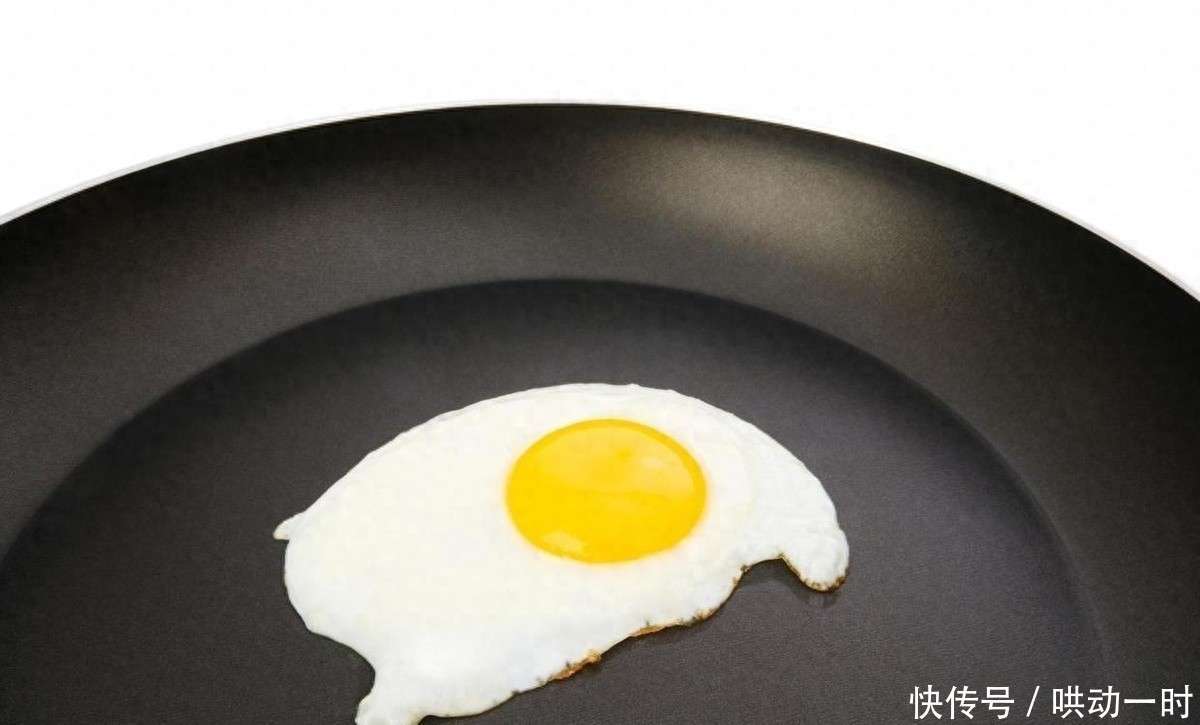
被西媒吐槽“浪费”?曾经比黄金还贵的钛,中国拿它造锅,硬核!
Sou Hu Cai Jing· 2026-02-08 19:15
Core Viewpoint - The article discusses the transformation of titanium from a strategic military metal to a common material used in consumer products in China, highlighting the advancements in technology and manufacturing capabilities that have enabled this shift. Group 1: Titanium's Historical Significance - During the Cold War, titanium was a highly sought-after metal used in advanced military applications, such as aircraft and submarines, leading to covert operations for its procurement [1] - Titanium was once considered a "noble metal," inaccessible to the general public due to its high value and strategic importance [1] Group 2: Current Applications and Advantages - Today, titanium is used in everyday items like cooking pots, thermos cups, and eyeglass frames, which has drawn criticism from some Western media as a "waste" of a strategic metal [3] - Titanium is known for its superior properties: it is stronger than aluminum, lighter than steel, and highly resistant to corrosion, making it ideal for both military and consumer applications [3][5] - The biocompatibility of titanium allows it to be used in medical implants without causing rejection, showcasing its versatility [3] Group 3: China's Technological Advancements - China has developed its own low-cost, large-scale titanium smelting technology, overcoming previous limitations where it had to rely on expensive imports [5][7] - By 2023, China accounted for over 60% of the global sponge titanium production, indicating a significant increase in domestic capabilities [7] - The reduction in production costs has allowed China to expand the use of titanium into consumer markets, moving beyond traditional military and aerospace applications [7] Group 4: Market Expansion and Implications - The shift to consumer products is seen as a natural progression, as the demand for titanium in military and aerospace sectors is limited compared to the vast potential in civilian markets [7] - The introduction of titanium cookware represents a significant upgrade for health-conscious consumers, as these products are lightweight, quick to heat, and do not react with food [7] - This transition reflects a broader trend of Chinese manufacturing capabilities evolving from high-end applications to producing quality consumer goods at reasonable prices [7] Group 5: Digital Transformation in Business Management - The article draws a parallel between the advancements in titanium manufacturing and the digital transformation in business management, where previously expensive and complex software solutions are becoming accessible to all businesses [9][11] - The emergence of low-code platforms allows companies to create customized management software without needing extensive technical expertise, democratizing access to advanced digital tools [11][12] - This shift signifies a move from viewing high-quality technology as a luxury to making it a standard necessity for businesses [14]

如何理解京东要死磕的「超级供应链」
Sou Hu Cai Jing· 2025-12-23 18:26
Core Insights - The article emphasizes the need for a dual-driven approach to stimulate consumption and supply, highlighting the importance of creating new supply to meet emerging consumer demands [3][4][19] Group 1: Economic Context - Insufficient domestic demand is identified as a major challenge for the current economic landscape, with structural mismatches in supply and demand persisting in certain sectors [2] - Data from the National Bureau of Statistics indicates that while industrial inventory is expected to grow by 2025, retail sales are also on the rise, particularly in service consumption and online sales [2] Group 2: Supply Chain Strategy - Companies that can connect new demand with supply and establish efficient distribution channels will benefit from the opportunity presented by expanding domestic demand [4][5] - JD.com aims to leverage its established supply chain and logistics capabilities to create a "super supply chain" that not only reduces costs but also stimulates new consumption [4][5] Group 3: Demand Creation - The challenge of creating new supply lies in accurately capturing and translating new consumer demands into actionable production language [6] - JD.com has developed expertise in demand insight and has collaborated with brands to create customized products that meet specific consumer needs, achieving significant sales milestones [6][8] Group 4: Sales and Distribution - JD.com's self-operated model allows it to extend its collaboration with brands beyond production to include sales, thereby reducing concerns about market access for new products [9][11] - The company employs strategies such as bulk purchasing and exclusive sales agreements to mitigate risks for brands and enhance competitive pricing [9][11] Group 5: Logistics and Fulfillment - Efficient logistics are crucial for enhancing supply and service quality, with JD.com optimizing its logistics network to reduce delivery times significantly [12][13] - The company has implemented advanced logistics solutions, including a 28-day fresh milk delivery plan, which has improved product quality and reduced costs [12][13] Group 6: International Expansion - JD.com is exploring international markets by building overseas warehouses and acquiring local channels, facilitating a "group export" model for domestic brands [17][18] - The company has established over 130 global warehouses across 23 countries, enhancing its ability to support brands in international markets [18] Group 7: Conclusion - JD.com's super supply chain strategy reflects the broader transformation of the Chinese consumer market, moving from demand-driven to a dual-driven model that emphasizes efficiency and responsiveness to new consumer needs [19]

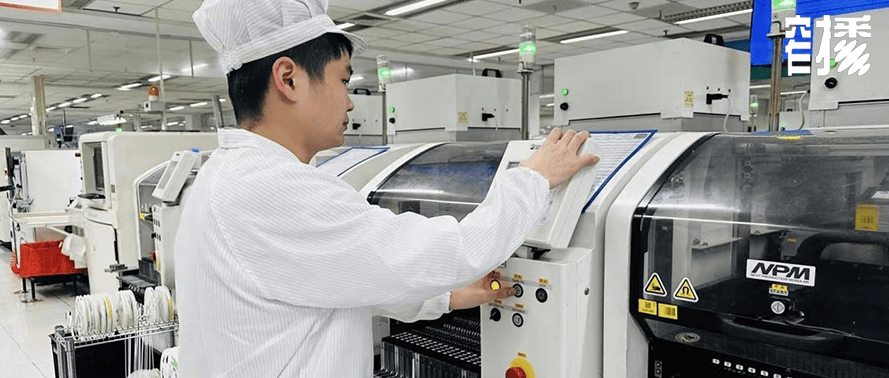
炊具行业热议转型升级新路径
Zhong Guo Jing Ji Wang· 2025-12-10 03:05
Core Insights - The Chinese cookware industry is at a pivotal point of green and digital transformation, with a market size reaching one trillion yuan [1] - The industry is expected to achieve a production value of 104.7 billion yuan in 2024 and 107.8 billion yuan in 2025, with exports projected at 11.5 billion USD and domestic sales at 20 billion yuan for 2024 [1] - The industry faces challenges such as high labor costs, homogenization, and market saturation, shifting focus from quantity expansion to quality improvement [1] Group 1 - The 30th National Cookware Industry Information Exchange Conference and the 5th China Cookware Technology Conference was held in Shanghai, focusing on "Green Manufacturing, Dual Carbon Leadership, and Intelligent Future" [1] - The China Daily Hardware Technology Development Center emphasizes the importance of standard leadership and quality testing to support the industry's high-quality development [1] - The industry is encouraged to align with the "14th Five-Year Plan," focusing on technological innovation and development towards smart, healthy, individualized, and elderly-friendly products [1][2] Group 2 - The cookware industry is transitioning from functional satisfaction to experience enhancement, driven by health concepts and policy guidance [2] - The industry is characterized by high-frequency usage, short replacement cycles, and a younger consumer base, necessitating resonance with young consumers through collaborative innovation [2] - Companies are advised to strengthen their domestic market presence while exploring emerging overseas markets in Southeast Asia and the Middle East [2]
苏 泊 尔(002032) - 002032苏 泊 尔投资者关系管理信息20250901
2025-09-01 07:22
Group 1: Company Performance and Market Outlook - The "old-for-new" subsidy policy positively impacted the home appliance industry in the first half of 2025, with hopes for more product categories to be included in future subsidies [3] - The company's external sales revenue reached 3.716 billion yuan in the first half of 2025, reflecting a year-on-year growth of 7.55% [4] - The company aims to maintain its industry-leading position through continuous product innovation and resource investment in core businesses [6] Group 2: Competitive Strategy and Product Development - In response to intense market competition, the company emphasizes product innovation and enhancing the emotional value of its products [7] - The company is actively investing in online platforms such as Tmall, JD.com, and Douyin, while also managing costs to improve efficiency [8] - Traditional essential products like rice cookers and woks show stable performance, while health-related products like steamers and health pots are experiencing good growth [8] Group 3: North American Market and Tariff Policies - The company's North American business currently represents a small portion of its overall foreign trade revenue, primarily involving cookware products [5] - The company plans to expand its small appliance production line in Vietnam to mitigate tariff impacts [5] Group 4: Employee Incentives and Corporate Strategy - The company's incentive plans include stock option and performance incentive funds to motivate management and key employees, aiming to enhance overall performance [8]
