
铀浓缩

Search documents
盘后,两桩大事!
Xin Lang Cai Jing· 2026-02-27 16:07
Group 1 - The U.S. and Iran are on the brink of conflict, with heightened tensions following failed negotiations and threats from Iranian leadership regarding uranium enrichment activities [1] - If a military conflict occurs, it could disrupt oil supplies through the Strait of Hormuz, significantly impacting international oil prices and causing instability in the Middle East [1] - A potential quick conflict may have a limited impact on the A-share market, while a full-scale war could have deeper implications [1] Group 2 - The China Securities Regulatory Commission (CSRC) held a meeting with eight foreign investment institutions to discuss investment opportunities [2] - The focus is on the "14th Five-Year Plan," which aims to develop six future industries, reform the investment and financing system, and support differentiated development for foreign investments [3] - The overall strategy emphasizes prioritizing technology, future industries, IPO reforms, and attracting foreign capital [4] Group 3 - The small metals sector has seen explosive growth, with tungsten prices rising by 66% and ammonium paratungstate reaching a historical high of 1.1 million yuan per ton [5] - The U.S. plans to utilize AI models to set reference prices for key minerals, increasing market attention on strategic metals like germanium, gallium, antimony, and tungsten [5] - The surge in small metals prices has also positively impacted related chemical sectors, such as phosphorus chemicals and TDI [5] Group 4 - The demand for computing power in China has surged, with domestic large model token usage exceeding that of the U.S. for several weeks, highlighting rapid growth in AI inference demand [6] - European cloud service providers are entering a price increase cycle, with some services seeing price hikes of up to 38%, further driving the demand for domestic computing power [6] - The overall industry is entering a "full-chain inflation" cycle, with high certainty in performance for sectors benefiting from tight supply and demand [7] Group 5 - The commercial space industry is approaching a peak launch period, with multiple reusable rockets set to launch in March, supported by ongoing development of the Hainan commercial space launch site [7] - Over 20 provinces in China have outlined plans for the commercial space industry, with increasing capital inflow and record financing in the private rocket sector [7] - The space photovoltaic sector is also showing signs of recovery, closely linked to the expansion of related overseas companies [7]
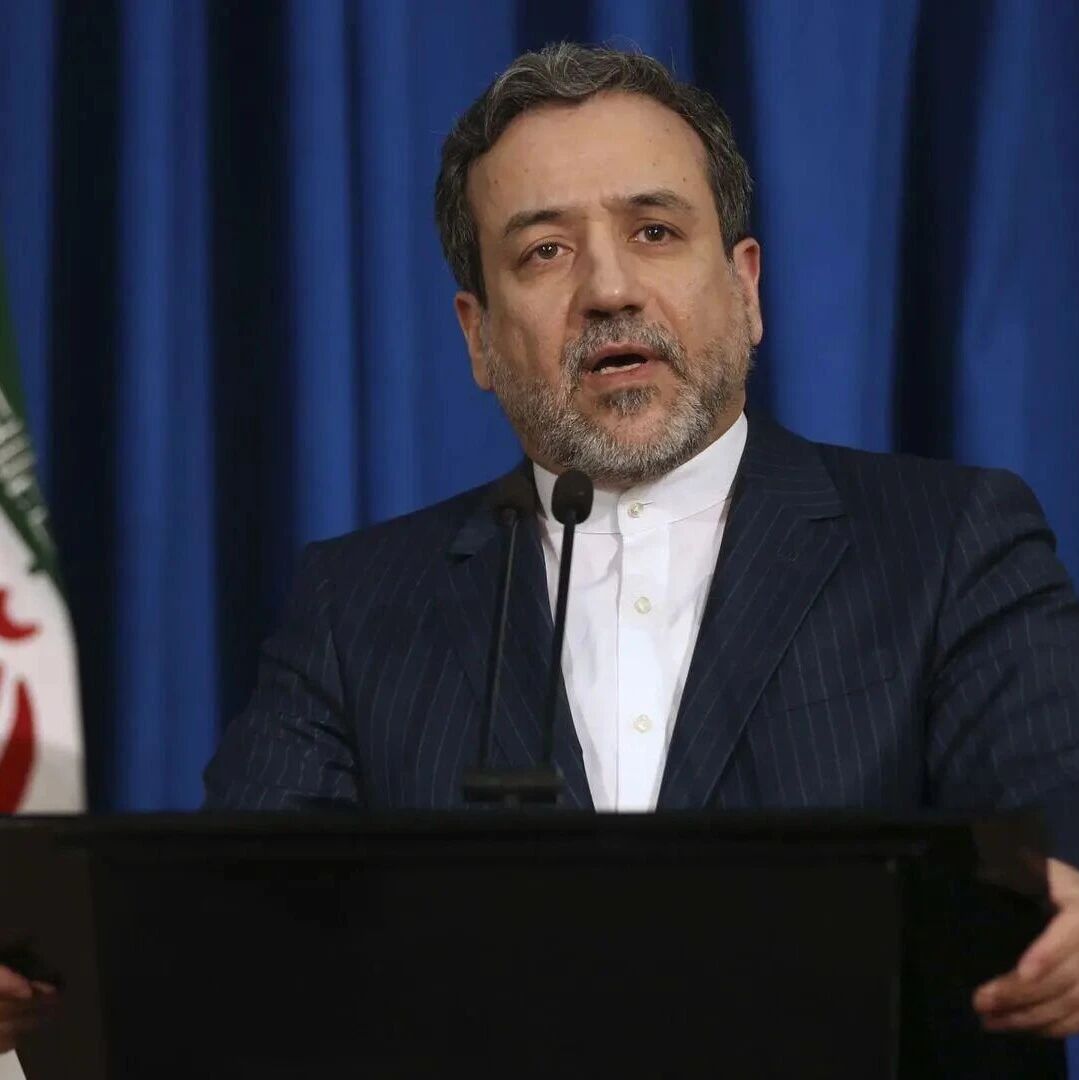
伊朗外长:没有进行铀浓缩
中国能源报· 2025-11-16 12:30
Core Viewpoint - Iran's Foreign Minister, Zarif, stated that Iran is currently not engaged in uranium enrichment activities and has no undeclared enrichment facilities, with all nuclear facilities under the supervision of the International Atomic Energy Agency [3]. Group 1 - Iran's uranium enrichment facilities have been attacked, which is the reason for the halt in enrichment activities [3]. - Iran asserts its right to uranium enrichment and peaceful nuclear energy utilization, emphasizing its commitment to pursue this right [3]. - The ongoing indirect negotiations between the U.S. and Iran, mediated by Oman, have seen significant disagreements on key issues such as uranium enrichment [4]. Group 2 - U.S. President Trump claimed that the U.S. has "completely eliminated" Iran's nuclear capabilities at three facilities: Fordow, Natanz, and Isfahan, following airstrikes in June [4]. - Despite the airstrikes, Iran's Foreign Minister stated that the U.S. and Israel's actions did not destroy Iran's uranium enrichment program [4]. - Iran is unwilling to engage in direct negotiations with the U.S. but is open to reaching an agreement through indirect talks [4].

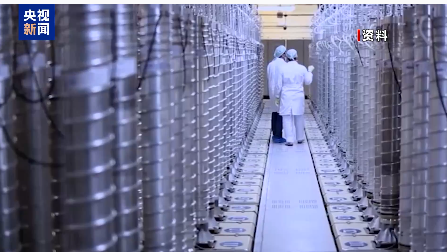
是否允诺伊朗保留铀浓缩活动?特朗普最新发声!伊朗原子能组织主席:这是红线,伊朗别无选择......
Mei Ri Jing Ji Xin Wen· 2025-06-03 08:01
Core Viewpoint - The article discusses a new proposal by the U.S. regarding Iran's nuclear activities, which includes limited uranium enrichment under specific conditions, although President Trump denies any allowance for such activities [1][2]. Group 1: U.S. Proposal Details - The U.S. Middle East envoy, Wittekov, proposed that Iran could conduct limited low-concentration uranium enrichment for a certain period [1]. - The proposal includes several requirements: Iran must not build new enrichment facilities, dismantle key infrastructure for uranium conversion and processing, stop new centrifuge development, and limit enrichment capabilities to civilian needs [1]. - After a potential agreement, Iran would need to temporarily reduce uranium enrichment to 3%, halt operations at underground facilities for a specified time, and restrict surface facility activities to levels set by the International Atomic Energy Agency (IAEA) [1]. Group 2: Iranian Response - The head of Iran's Atomic Energy Organization, Islami, stated that uranium enrichment is a red line for Iran and essential for its nuclear fuel cycle, emphasizing that without it, Iran would lose capabilities in medical and industrial research [3]. - Iranian Foreign Minister Zarif indicated that Iran would respond appropriately to the U.S. proposal based on principles, national interests, and the rights of the Iranian people [3]. Group 3: Military Readiness - The Iranian Air Force Commander, Amir Vahidi, emphasized the importance of vigilance and rapid response in light of current regional tensions, asserting that the Air Force is prepared to defend Iranian airspace at any time [6].
伊核焦点“是否允许伊朗保留铀浓缩”,美国再出“罗生门”,伊朗或将拒绝美方案
Hua Er Jie Jian Wen· 2025-06-03 00:16
Group 1 - The core issue revolves around Iran's potential rejection of the U.S. nuclear agreement proposal, which allows limited low-concentration uranium enrichment for an unspecified period [1] - The U.S. proposal contrasts sharply with the public stance of U.S. officials, who have insisted on a complete dismantling of Iran's nuclear facilities and no uranium enrichment [1][2] - Iran has expressed its firm stance on retaining its uranium enrichment activities, indicating no willingness to compromise on this critical issue [2][3] Group 2 - An Iranian senior diplomat revealed that Iran is drafting a negative response to the U.S. proposal, which may be interpreted as a rejection [3] - The breakdown of negotiations could trigger a series of dangerous repercussions, including the reimplementation of UN sanctions by European countries and potential military strikes by the U.S. and Israel against Iran's nuclear facilities [3] - There are indications that Iran may respond with restraint to leave room for further negotiations, with a possible compromise being the U.S. allowing uranium enrichment in principle, but Iran not conducting it within its territory for an indefinite period [3][4] Group 3 - The U.S. had previously proposed allowing Iran to join a regional uranium enrichment alliance with countries like Saudi Arabia, but this would not take place on Iranian soil [4] - Iran's parliament committee chairman emphasized that any proposal ignoring the principle of enrichment is completely unacceptable and not worth considering [5]