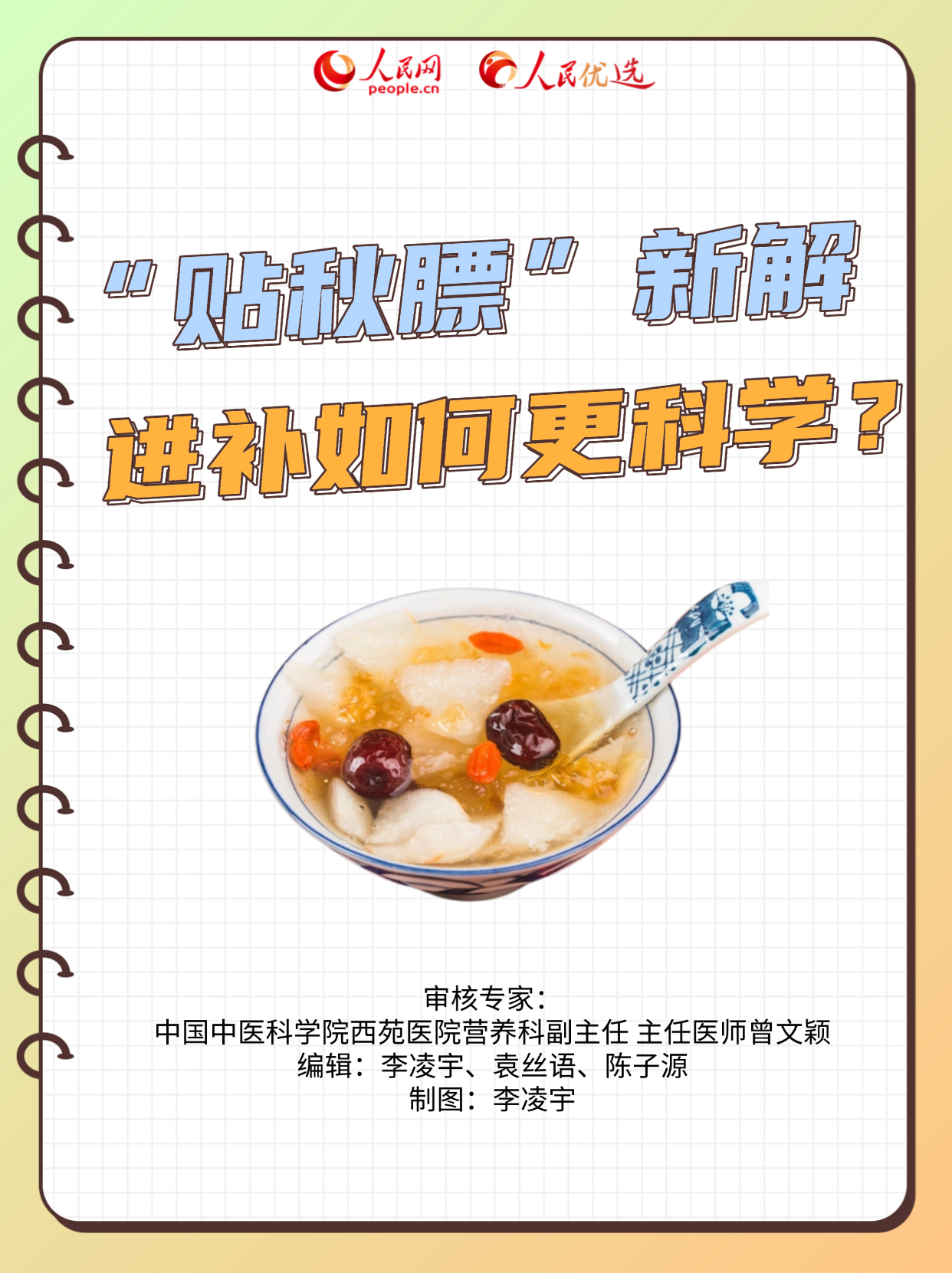
银耳莲子羹

Search documents
湘潭湘莲激活乡村振兴新引擎
Xin Lang Cai Jing· 2026-01-21 21:34
Core Insights - The Ministry of Industry and Information Technology of China has released the 2025 list of consumer brands, with Xiangtan Xianglian recognized as a regional brand, highlighting the region's complete industrial cluster for deep processing of lotus seeds [1][2] Brand Development - Xiangtan County has a long history of lotus cultivation, known for its high-quality "Cun San Lian" variety, and has transitioned from traditional agricultural practices to a market-driven model supported by government initiatives, enabling the brand to gain national recognition [2] - The inclusion in the consumer brand list marks a significant upgrade for the Xianglian brand, recognized for its distinctive industrial characteristics and strong regional identity [2] Government Support and Innovation - The local government has upgraded its service philosophy, providing comprehensive support in land supply, policy assistance, and infrastructure, which has led to a reduction in fiscal burdens by 257 million yuan [3] - Financial institutions are projected to provide over 8 million yuan in loans to enterprises in the industry chain by 2025, enhancing the financial support for private sector development [3] - Technological innovation is crucial for improving the quality and efficiency of the private economy, with successful breeding of a new disease-resistant variety of "Cun San Lian" and significant increases in R&D investment from leading companies [3] Digital Transformation and Production Efficiency - Approximately 65.26% of Xianglian cluster enterprises have adopted digital platforms, with online transaction volumes growing annually by 40% [4] - Automation in production has led to cost savings of 2 million yuan annually and a product qualification rate of 99.6% [4] Industry Evolution and Product Diversification - The Xianglian industry has shifted from a focus on raw materials to selling products, quality, and experiences, with a diverse range of products now available [5] - Eco-friendly farming practices have reduced pesticide and fertilizer use by 40%, while increasing per-acre income by 30%, creating a sustainable cycle of production and tourism [5] Tourism and Brand Expansion - The integration of agriculture and tourism has attracted over one million visitors annually, significantly boosting local hospitality and dining revenues [6] - Xiangtan County has developed a brand matrix with 11 provincial specialized enterprises and 31 national high-tech enterprises, enhancing the overall brand effect [6] Economic Impact and Rural Revitalization - The Xianglian industry supports over 100,000 workers, with annual wage disbursements nearing 500 million yuan, contributing to rural revitalization [7] - The industry has achieved an annual output value exceeding 22 billion yuan, benefiting around 30,000 practitioners [7] - Future plans include strengthening brand integration and marketing innovation to enhance the brand's influence and market penetration [7]
中国消费名品!湘潭湘莲走俏市场
Sou Hu Cai Jing· 2026-01-14 05:16
Core Viewpoint - Xiangtan County's lotus industry, known for its historical significance and quality, has been recognized as a key consumer brand in China, reflecting the successful integration of policy, technology, and industry for high-quality development [3][12]. Group 1: Industry Development - Xiangtan County has a long history of lotus cultivation, dating back over 2,000 years, with the lotus being recognized as a national geographical indication product since 1995 [2]. - The Xiangtan lotus deep processing industry cluster has become the leading industry, with the Huashi Lotus Industrial Park developing into the largest lotus seed distribution center in China, handling over 100,000 tons annually and accounting for more than 70% of the national market [5]. - The county's lotus industry development plan (2019-2030) includes a special leadership group and funding to enhance resource allocation, with over 8 million yuan in loans for chain enterprises by 2025 [7]. Group 2: Economic Impact - The total output value of the lotus industry cluster is projected to reach 8.398 billion yuan by 2025, representing a year-on-year growth of 1.9%, with a national market share of 82.7% and exports exceeding 70% [7]. - The industry supports over 100,000 jobs and generates nearly 500 million yuan in annual wages, contributing to local economic benefits [5]. Group 3: Innovation and Technology - By 2025, the lotus deep processing industry cluster will have 95 enterprises, with 74.74% being large-scale industrial companies, and has nurtured 11 provincial specialized and innovative enterprises and 31 national high-tech enterprises [9]. - Significant investment in research and development, totaling 252 million yuan, has led to 53 invention patents and the establishment of various technical standards, reinforcing the industry's foundation [7][9]. Group 4: Product Diversification and Market Expansion - The industry has transitioned from selling raw materials to offering processed products, with innovations such as lotus seed soup and lotus seed wine, some of which have won awards and are exported to 21 countries [9]. - Digital transformation has improved production efficiency, with automated production lines achieving a daily output of over 50 tons and cost savings of 2 million yuan annually [9]. Group 5: Sustainable Development and Cultural Integration - The promotion of green development practices, such as the "lotus and crab co-cultivation" model, has led to a 40% reduction in pesticide and fertilizer use and a 30% increase in per-acre income [9]. - The integration of cultural tourism with the lotus industry has created attractions that draw visitors, enhancing local dining and agricultural experiences [10].

“贴秋膘”新解,进补如何更科学?
Ren Min Wang· 2025-08-07 08:38
Core Viewpoint - The article emphasizes the importance of "scientific supplementation" during autumn, advocating for a balanced approach to nutrition rather than excessive consumption of meat, particularly for individuals with sedentary lifestyles and potential nutritional excesses [1]. Nutritional Guidelines - Balanced nutrition is fundamental, ensuring comprehensive intake of carbohydrates, proteins, fats, vitamins, minerals, dietary fiber, and water, rather than focusing solely on fats and calories [3]. - The focus should be on adjusting and nourishing the body, particularly the spleen and stomach, which may have been affected during summer, to enhance adaptability to the dry autumn climate [3]. Personalized Nutrition - Individual dietary needs should be considered based on personal constitution, such as balanced, qi deficiency, yin deficiency, or yang deficiency [3]. Recommended Foods - Suggested foods include fish and shrimp (rich in unsaturated fatty acids), lean meats (pork, beef, lamb), eggs, soy products (tofu, soy milk), and low-fat or fat-free dairy products [4]. - Cooking methods should prioritize steaming, boiling, blanching, and quick frying over deep frying and braising, which are high in oil and sugar [4]. Portion Control - Recommended portion sizes are approximately the size of a palm (about 50-75 grams of raw meat) or a fist-sized serving of soy products or seafood [5]. Moisturizing and Lung Nourishing Ingredients - Foods that help moisturize and nourish the lungs include pears, tremella, lily, lotus root, yam, white radish, honey (in warm water), almonds, sesame seeds, and grapefruit [6]. Practical Recipes - Suggested drinks include honey grapefruit tea, snow pear and lily drink, and tremella and lotus seed soup (low sugar) [6]. - Recommended soups include lotus root and pork rib soup (light version), yam and corn lean meat soup, and white radish and crucian carp soup [6]. Nutritional Elements - Emphasis on vitamins and minerals, particularly vitamin C (to enhance immunity against autumn dryness), B vitamins (for metabolism and nerve protection), vitamin E (antioxidant), and zinc (to boost immunity) [8]. - Importance of dietary fiber for digestive health, with sources including whole grains, legumes, vegetables, and fruits [9]. - Unsaturated fatty acids are highlighted for cardiovascular protection and skin hydration, sourced from nuts (walnuts, almonds), deep-sea fish, flaxseed oil, and olive oil [9]. Dietary Composition - Encouragement to mix coarse and fine grains, using brown rice, oats, quinoa, sweet potatoes, and corn to replace refined rice and flour, enhancing satiety and nutrition [9]. - Increasing vegetable intake, especially dark leafy greens, to occupy half of each meal plate, providing low-calorie bulk and enhancing satiety [9]. Special Dietary Considerations - For children, ensuring adequate protein, calcium, and vitamin D for growth and development, with easily digestible foods and limited snacks [11]. - For the elderly, focus on high-quality protein (to prevent muscle loss), vitamin D (for bone health), and dietary fiber (to prevent constipation), with soft, easily digestible foods and smaller, more frequent meals [12]. - For individuals with diabetes, strict adherence to medical and nutritional advice is crucial, emphasizing low-fat, low-sugar, low-salt, and high-fiber foods, while monitoring weight and blood sugar levels [12]. Lifestyle Recommendations - Regular moderate exercise (such as brisk walking, jogging, or yoga) is encouraged to help control weight, enhance physical fitness, improve cardiovascular function, and alleviate autumn-related emotional stress [13]. - Emotional regulation is important during autumn, with suggestions to enjoy sunlight, engage in social activities, cultivate hobbies, and practice meditation to maintain a positive mood [14].