降脂药物

Search documents
2025医保药品目录上新 多种新药填补治疗空白
Yang Shi Xin Wen· 2025-12-07 03:46
Core Insights - The National Healthcare Security Administration (NHSA) has announced the 2025 version of the National Basic Medical Insurance, Maternity Insurance, and Work Injury Insurance Drug Catalog, along with the first edition of the Commercial Health Insurance Innovative Drug Catalog. This marks the eighth consecutive year of adjustments to the drug catalog, which can be interpreted from three perspectives: new drugs, new partners, and new mechanisms [1] Group 1: New Drugs - A total of 114 new drugs have been added to the catalog, enhancing the coverage for critical areas such as cancer and chronic diseases. Among these, 111 are new products launched within the last five years, accounting for 97.3% of the additions [2] - The new drugs address clinical treatment gaps, including innovative therapies for major diseases like breast cancer, pancreatic cancer, and lung cancer, as well as medications for rare diseases and chronic conditions such as diabetes and high cholesterol [2][3] Group 2: New Partners - The recent innovative drug high-quality development conference included a diverse range of participants, such as investors, fund managers, and representatives from commercial insurance institutions, alongside traditional stakeholders like the NHSA and pharmaceutical companies. This indicates a growing recognition of the importance of innovation in healthcare [4] - The involvement of new partners reflects the understanding that healthcare is both a public welfare issue and an industry, highlighting the ongoing interest and investment from the capital market in pharmaceutical innovation [4] Group 3: New Mechanisms - The commercial insurance innovative drug catalog was released simultaneously with the basic medical insurance drug catalog. This addresses the ongoing debate regarding the inclusion of high-cost drugs in basic insurance coverage [5] - A total of 121 drugs met the criteria for the commercial insurance innovative drug catalog, with 19 ultimately included. This catalog features advanced treatment methods such as CAR-T and T-cell therapies, as well as medications for rare diseases and Alzheimer's, complementing the basic insurance offerings [5]
告别“三高”负担!司美格鲁肽降压降脂获益的突破性研究
GLP1减重宝典· 2025-10-06 09:55
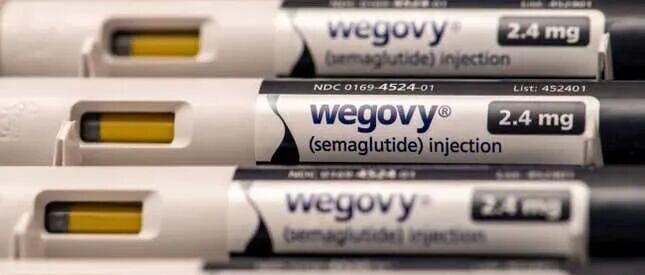
Core Viewpoint - The analysis of five randomized controlled trials from the STEP program indicates that adults treated with semaglutide for obesity are more likely to reduce or stop the use of antihypertensive and lipid-lowering medications compared to those receiving a placebo [4][6][9]. Group 1: Study Findings - Semaglutide, a GLP-1 receptor agonist, is associated with significant weight loss and improvements in various metabolic parameters, leading to a reduction in the need for antihypertensive and lipid-lowering medications [6][12]. - Participants receiving 2.4 mg of semaglutide showed a higher proportion of reduced or stopped antihypertensive or lipid-lowering treatment compared to the placebo group at the end of the treatment [9][10]. - In the analysis, semaglutide-treated participants experienced a greater weight reduction, which correlated with decreased medication needs for hypertension and dyslipidemia [10][12]. Group 2: Specific Data on Antihypertensive and Lipid-Lowering Medications - Among obese adults without diabetes, 17.7% in the semaglutide group stopped antihypertensive medications at 68 weeks, compared to 9% in the placebo group [14]. - In the same group, 16.5% of semaglutide users reduced their antihypertensive treatment intensity, while only 4.8% in the placebo group did so [14]. - For obese adults with type 2 diabetes, 9.8% in the semaglutide group stopped antihypertensive medications, compared to 7.3% in the placebo group [16]. Group 3: Lipid-Lowering Medication Insights - In obese adults without diabetes, 10.1% in the semaglutide group stopped lipid-lowering treatment at 68 weeks, while 4.5% in the placebo group did the same [17]. - The proportion of participants reducing lipid-lowering treatment intensity was similar between groups, with 4% in the semaglutide group and 3.9% in the placebo group [17]. - In the group of obese adults with type 2 diabetes, 10.1% in the semaglutide group stopped lipid-lowering treatment, compared to 5.4% in the placebo group [17]. Group 4: Blood Pressure Relief - Among obese adults without diabetes, 13.7% of those treated with semaglutide achieved hypertension relief at 68 weeks, compared to 6.2% in the placebo group [19]. - In the analysis of obese adults with type 2 diabetes, 5.7% of semaglutide-treated individuals experienced hypertension relief, while 3.4% in the placebo group did [19]. - The findings suggest that significant weight loss can lead to reduced or discontinued use of antihypertensive medications due to improved blood pressure control [19].