
商保创新药目录

Search documents
新版医保药品目录落地月余 99种新药已进驻超万家定点机构
Xin Lang Cai Jing· 2026-02-08 12:21
Core Viewpoint - The new medical insurance drug list has been implemented nationwide since January 1, 2023, with 99 new drugs already available in over 12,000 designated medical institutions, aiming to improve patient access to essential medications [1][5]. Group 1: Implementation and Accessibility - The new drug list has led to the addition of over 30 new drugs at the People's Hospital of Jinxing County, ensuring that patients can access and afford these medications [1][3]. - In Sichuan, a dual-channel supply system has been established for essential new drugs, allowing for direct reimbursement from the insurance fund, which alleviates the financial burden on hospitals [5][6]. - The price of a previously expensive drug for coronary heart disease has been reduced from 9,988 yuan to 2,790 yuan per injection, significantly lowering out-of-pocket costs for patients [6]. Group 2: Challenges in Implementation - Despite the progress, there are still bottlenecks in the availability of "nationally negotiated drugs" in hospitals, primarily due to the rapid increase in the number of new drugs compared to the limited capacity of hospital formularies [9][11]. - Hospitals face challenges in deciding which new drugs to adopt, especially when multiple similar treatments are available, complicating the procurement process [12][15]. - The approval process for new drugs can take from one to twelve months, which delays their availability in hospitals [12][13]. Group 3: Commercial Health Insurance - A new commercial health insurance innovation drug list has been introduced alongside the medical insurance drug list, including 19 innovative drugs that are not covered by basic insurance [18][22]. - A case study highlights a patient with diffuse large B-cell lymphoma who benefited from a CAR-T therapy covered by commercial insurance, demonstrating the financial relief provided by such policies [20][22]. - The commercial insurance aims to address the diverse medication needs of patients, focusing on innovative and advanced treatments, while basic insurance maintains a focus on essential coverage [22].

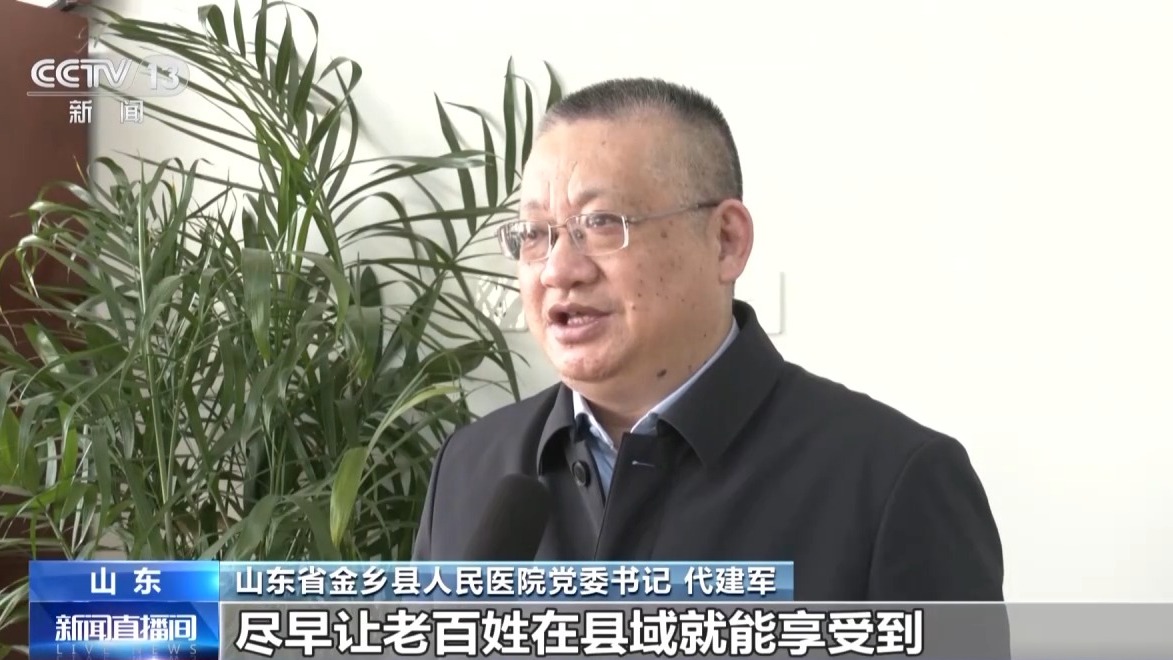
两会对话|复星医药文德镛:商保创新药目录落地仍需突破三个瓶颈
Xin Lang Cai Jing· 2026-02-04 23:58
Core Viewpoint - Despite positive policy progress, the implementation of the commercial insurance innovative drug directory faces challenges [2] Group 1: Current Status of Innovative Drugs - Currently, basic medical insurance covers 44% of innovative drug sales costs, while commercial insurance only covers 7%, leaving nearly half of the costs to be borne by patients or other channels [2] - The first version of the commercial insurance innovative drug directory was released by the National Medical Insurance Administration in December 2025, officially implemented on January 1, 2026, covering five CAR-T products, including Fosun Pharma's CAR-T product Yikaida [2] Group 2: Bottlenecks in Implementation - Three main bottlenecks need to be overcome for the effective implementation of the commercial insurance innovative drug directory: 1. Deepening the "three medical collaborations" to create a dual-channel mechanism of "medical insurance + commercial insurance" [2] 2. Optimizing the process and mechanism connections, enhancing cooperation between insurance companies and regulatory bodies [3] 3. Strengthening patient education and awareness through collaboration between medical and insurance institutions [3] Group 3: Focus on Elderly Major Diseases - The rapid growth of the elderly population is leading to an increase in age-related diseases, such as central nervous system diseases and rare diseases, while the number of innovative drug companies in this field is limited [3] - The importance of payment support for innovative drug development for elderly diseases is emphasized, suggesting the use of medical insurance data for research and development [3][4] Group 4: Recommendations for Policy and Funding - Recommendations include creating a special fund for elderly disease research and development, lowering R&D thresholds to attract more entrepreneurs and investors, and supporting the inclusion of innovative drugs for elderly diseases in basic medical insurance and commercial health insurance directories [4] - The establishment of a milestone reward system for projects entering clinical phase II is suggested to address challenges in the elderly health sector [4] Group 5: Company Strategy and Global Collaboration - Fosun Pharma is actively seeking global collaborations and has announced multiple business development transactions, indicating a recognition of China's innovative capabilities internationally [5] - The company focuses on core areas such as oncology, immune inflammation, and central nervous system diseases, utilizing diverse methods like licensing and collaborative development to enhance its pipeline and market presence [5]

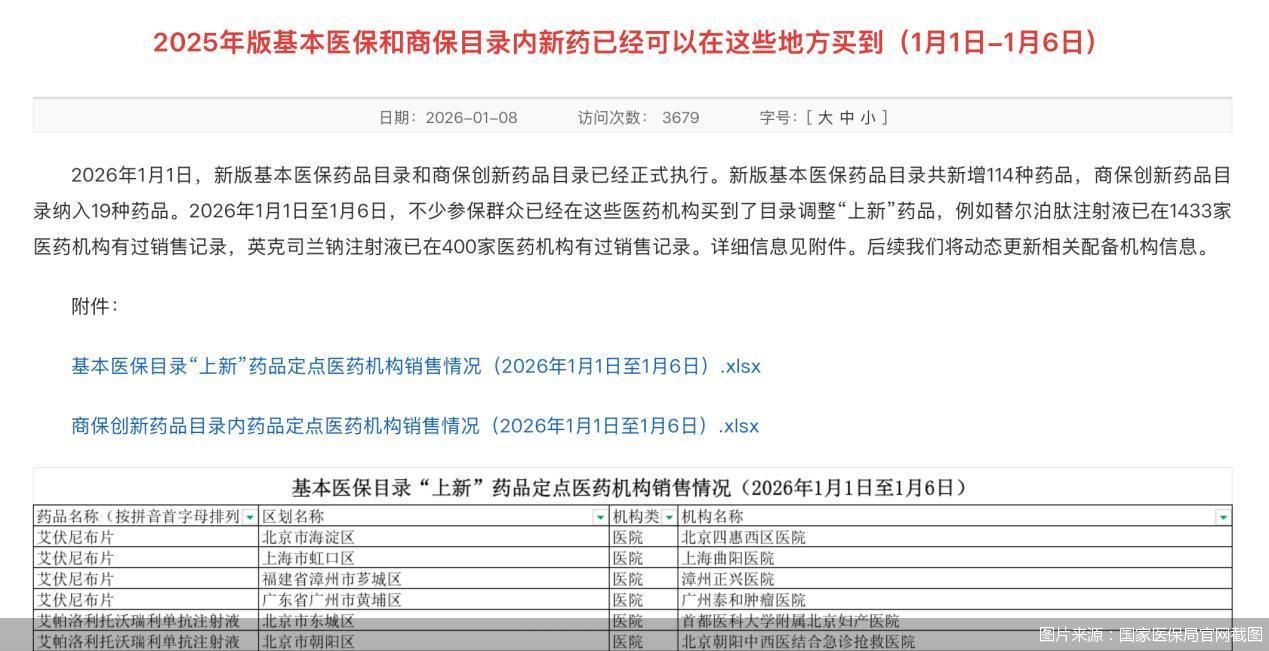
新版医保目录实施后,多款创新药开出“医保首方”,患者用药门槛降低
Xin Lang Cai Jing· 2026-01-27 10:06
Core Viewpoint - The implementation of the new National Medical Insurance Drug List and the Commercial Insurance Innovative Drug List on January 1, 2026, marks a significant enhancement in drug accessibility for patients, with 114 new drugs added to the national list and 19 to the commercial list, optimizing medication security for the public [1][3][4]. Summary by Sections National Medical Insurance Drug List - The new National Medical Insurance Drug List includes 114 new drugs, with 50 classified as innovative drugs, representing the highest number and proportion of innovative drugs added in history [4][15]. - The newly added drugs aim to fill clinical treatment gaps, offer superior alternatives, or provide better cost-effectiveness, particularly enhancing coverage for cancer, chronic diseases, mental health, rare diseases, and pediatric medications [4][15]. Commercial Insurance Innovative Drug List - The first version of the Commercial Insurance Innovative Drug List includes 19 drugs, focusing on high innovation, significant clinical value, and patient benefits that exceed basic insurance coverage [5][16]. - The list features treatments for conditions such as cancer (e.g., CAR-T therapies), rare diseases (e.g., neuroblastoma, Gaucher disease), and Alzheimer's disease, reflecting a commitment to support innovative therapies [5][16]. Implementation and Accessibility - As of January 20, 2026, 99 new drugs from the basic medical insurance list are available in 12,198 designated medical institutions, while 14 drugs from the commercial list are available in 223 institutions [7][19]. - Local medical insurance departments are actively ensuring the supply and settlement of new drugs, with measures such as updating drug databases and holding specialized drug meetings to facilitate the integration of new drugs into hospital procurement lists [19][20]. Public Access and Information - The public can access information about the drugs included in the new lists through the "National Medical Insurance Bureau" WeChat account, allowing users to search for drug names and check their status in the directories [17]. Future Directions - The implementation of the dual directories (national and commercial) is expected to enhance the efficiency of medical insurance fund usage and improve public medication security, with ongoing adjustments to ensure that essential and effective new drugs are included while removing outdated ones [11][24][25].

创新药目录现卡点 子弹还得飞一会儿
经济观察报· 2026-01-24 03:54
Core Viewpoint - The article discusses the implementation of the commercial insurance drug directory (商保目录) in China, highlighting its significance for innovative drugs and the challenges faced in its execution [2][3][15]. Group 1: Overview of the Commercial Insurance Drug Directory - The commercial insurance drug directory includes 19 drugs, including CAR-T therapies and Alzheimer's medications, aimed at addressing the gap between basic medical insurance and patient affordability [2][3]. - As of January 20, 2026, 14 drugs from the directory have been sold in 223 designated medical institutions, primarily in major cities [5][6]. - The directory's implementation is seen as a milestone for the development of innovative drugs and commercial insurance in China, although many people have yet to feel its impact [2][3]. Group 2: Challenges in Implementation - The main challenge for hospitals is the process of getting drugs from the directory into their facilities, which involves multiple evaluations and approvals [5][6]. - Hospitals are cautious about introducing new drugs due to cost control pressures and various performance indicators that must be met [7][12]. - The "three exclusions" policy aims to alleviate concerns about the financial impact of new drugs on hospitals, but other factors still influence the decision to adopt these drugs [7][12]. Group 3: Discount and Pricing Issues - The commercial insurance directory allows for negotiated discounts on drug prices, which are not directly passed on to patients at the point of sale [9][10]. - There is confusion among stakeholders regarding how these discounts should be allocated, leading to potential disputes in implementation [10][11]. - The lack of clear guidelines on discount distribution complicates the relationship between insurance companies, drug manufacturers, and healthcare providers [10][11]. Group 4: Insurance Companies' Perspectives - Insurance companies are cautious about incorporating drugs from the directory into their products, often requiring detailed information on pricing and risk before making decisions [13][14]. - There is a lack of new insurance products specifically designed for the commercial insurance directory, with most companies opting to upgrade existing products [13][14]. - The directory's introduction is viewed positively by some pharmaceutical companies, as it represents government endorsement of their products, although challenges remain in achieving widespread adoption [15][16].

新版医保目录实施一周:创新药“首单”频现,患者用药门槛降低
Bei Jing Shang Bao· 2026-01-08 08:10
Core Insights - The new medical insurance directory has entered a substantial implementation phase, with several innovative drugs, including Tislelizumab and Fuzhengzhu, being prescribed under insurance in various hospitals, indicating a reduction in access barriers for patients [1] - The adjustment includes 114 new drugs and introduces a commercial health insurance directory for innovative drugs, marking a significant shift towards a multi-tiered insurance system [1][5] - The rapid inclusion of innovative drugs in the insurance directory reflects increased support for "true innovation" with high clinical value [5] Group 1: New Drug Inclusion - The new medical insurance directory has added 124 unique products, including Tislelizumab, the first targeted drug for thyroid eye disease, and Fuzhengzhu, a biological agent for psoriasis [5] - Heng Rui Medicine is a major beneficiary, with 20 products and indications adjusted, including 10 new drugs entering the directory for the first time [5][6] - Other biotech companies like BeiGene and Innovent Biologics have also benefited, with multiple products included in the new directory, enhancing their commercialization prospects [7] Group 2: Commercial Health Insurance Directory - The introduction of the commercial health insurance directory provides a secondary market for high-value innovative drugs, with price reductions ranging from 15% to 50%, which is less severe than the basic insurance cuts [9] - The directory aims to improve accessibility for high-priced drugs while ensuring adequate returns for pharmaceutical companies [9] - Notable CAR-T therapies have been included in the commercial directory, overcoming previous barriers to entry, with prices for these therapies exceeding 1 million yuan [8][10] Group 3: Market Dynamics and Drug Exits - The adjustment process has also seen the removal of 29 drugs from the insurance directory, including Benarutide, which faced competition from more effective alternatives [12][14] - The dynamic adjustment mechanism emphasizes the need for drugs to demonstrate clinical value, reinforcing a "can enter, can exit" policy [14] - Companies are encouraged to shift from "me-too" products to genuine innovations, focusing on high-value areas such as oncology and rare diseases [10][14]



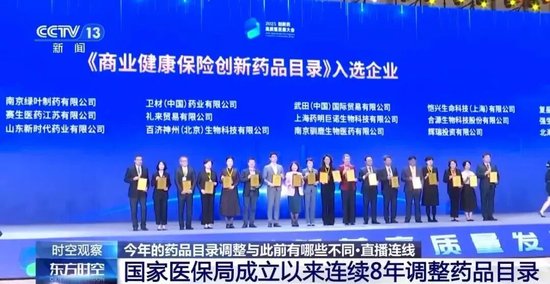
1月1日起执行的新版医保药品目录有什么新变化?如何更好满足群众用药需求?
Xin Lang Cai Jing· 2026-01-05 11:45
Core Viewpoint - The National Healthcare Security Administration (NHSA) announced the 2025 version of the National Basic Medical Insurance Drug List and the first Commercial Health Insurance Innovative Drug List, which includes significant updates to enhance drug accessibility for patients [1][2][3]. Group 1: Drug List Adjustments - The new drug list adds 114 new drugs, including 50 innovative drugs, while removing 29 drugs that are either unavailable or can be replaced by others [1][2][3]. - The total number of drugs in the list now stands at 3,253, comprising 1,857 Western medicines and 1,396 traditional Chinese medicines, with improved coverage for critical areas such as cancer, chronic diseases, mental health, rare diseases, and pediatric medications [1][2][3]. Group 2: Financial Implications - The NHSA has assessed the budget impact of new drugs on the medical insurance fund, concluding that the overall financial burden remains manageable within the national budget [3][4][12]. - The introduction of new drugs may lead to increased costs, but many are expected to replace older medications, mitigating the financial impact [3][4][12]. Group 3: Challenges in Hospital Implementation - Despite being included in the insurance list, many "nationally negotiated drugs" face challenges in being adopted by hospitals due to limited capacity in hospital drug lists, which typically accommodate only 1,500 to 2,000 drugs [4][6][8]. - The approval process for new drugs in hospitals can be lengthy, often taking from one to twelve months, which complicates timely access for patients [8][12][44]. Group 4: Dual-Channel Policy - To address the issue of drug availability, the government introduced a "dual-channel" policy, allowing patients to access "nationally negotiated drugs" through designated hospitals and retail pharmacies, ensuring equal reimbursement [14][16][50]. - As of now, 402 nationally negotiated drugs have been integrated into this dual-channel system, significantly increasing sales from under 4 billion yuan in 2020 to nearly 15 billion yuan in 2024 [16][50]. Group 5: Commercial Health Insurance Innovations - The newly established Commercial Health Insurance Innovative Drug List includes 19 drugs, selected from 121 candidates, aimed at covering high-value drugs not included in the basic insurance [27][30][67]. - This list is designed to complement the basic medical insurance system, addressing the gap for high-cost innovative treatments that are crucial for patients with severe conditions [30][32][67]. Group 6: Future Implications - The introduction of the Commercial Health Insurance Innovative Drug List is expected to enhance patient access to high-value treatments, encouraging insurance companies to cover these drugs and potentially increasing patient enrollment in commercial health plans [30][66][73]. - The dual-directory approach aims to create a more robust healthcare financing system, ensuring that patients can access necessary medications while maintaining the sustainability of the insurance funds [30][66][73].
北海康成董事长薛群: 深耕罕见病创新药“蓝海” 双核驱动迈向全球创新
Zhong Guo Zheng Quan Bao· 2026-01-04 22:02
Core Viewpoint - The rare disease innovative drug market is described as a "blue ocean within a blue ocean," with significant unmet clinical needs in China, and the company aims to leverage its diverse product matrix and a "dual-core drive" strategy for global innovation [1] Group 1: Company Background and Development - The company, Beihai Kangcheng, has established itself as a global biopharmaceutical firm focused on rare diseases, with three approved products and seven in development [2] - The founder, Xue Qun, has over ten years of experience in the rare disease sector, identifying unmet clinical needs as a fertile ground for entrepreneurship [2] - Initial challenges included financing difficulties, leading to a focus on oncology before pivoting to rare diseases following significant policy changes in 2018 [2] Group 2: Product Portfolio and Clinical Impact - The company's three approved products address multiple clinical gaps, including treatments for Mucopolysaccharidosis Type II and Alagille Syndrome, and the first domestically developed enzyme replacement therapy for Gaucher disease, expected to be approved by May 2025 [3] Group 3: Policy Support and Industry Challenges - Policy support is crucial for overcoming high costs in rare disease drug development, with the successful launch of the core product, Gorenin, benefiting from the national segmented production policy [4][5] - The segmented production model allows for compliance with clinical needs while addressing cost pressures, as the production of compliant samples constitutes a significant portion of the overall R&D costs [4] Group 4: Strategic Partnerships and Market Expansion - The company is entering a 3.0 development phase, implementing a dual-core strategy to solidify its domestic leadership while expanding internationally [7] - A strategic partnership with Baiyang Pharmaceutical aims to enhance commercialization of rare disease products, leveraging Baiyang's extensive sales network and financial stability [7][8] - The company is actively seeking additional strategic partners in the diagnostics field to create a synergistic ecosystem for rare disease management [8] Group 5: Future Outlook and Market Potential - The inclusion of Gorenin in the first version of the commercial insurance innovation drug directory is expected to broaden payment channels and enhance the motivation for innovation in drug development [6] - The company anticipates a significant market explosion for rare disease drugs by 2026, driven by improved commercial insurance payment models [6]
湖南医保目录114种新药纳入,肿瘤、罕见病保障再突破
Xin Lang Cai Jing· 2026-01-03 14:06
Core Insights - The new drug directory includes 114 newly added drugs, focusing on key areas such as cancer and rare diseases, complementing the basic medical insurance directory [1][2] - The implementation of the updated drug directory will take effect on January 1, 2026, and will be valid until December 31, 2026 [1] Group 1: National Drug Directory Adjustments - A total of 114 drugs have been added to the national directory, with 29 drugs removed; the updated directory now includes 3,253 drugs [2] - Among the newly added drugs, 111 are new products launched within the last five years, with 36 being cancer medications and 10 for rare diseases, enhancing coverage for critical areas [2] - A six-month transition period will be provided for drugs that were removed from the negotiation list to ensure continuity of medication [2] Group 2: Commercial Health Insurance Innovation - The first version of the commercial health insurance innovation drug directory includes 19 drugs, focusing on high-value innovative treatments not fully covered by basic medical insurance [3] - The directory features 9 new drugs and includes 5 CAR-T products, highlighting significant advancements in treatment options [3] - The commercial insurance directory serves as a reference for insurance companies and does not guarantee reimbursement, as it depends on the specific insurance policy [3] Group 3: Payment Standards and Drug Access - The Hunan Provincial Medical Insurance Bureau has established self-payment ratios for the new drug directory, with Class A drugs having a self-payment ratio of 0% [4] - The province aims to facilitate the inclusion of new drugs in hospitals and has mandated local medical insurance departments to guide medical institutions in the proper use of listed drugs [4] - The payment for work-related injury and maternity insurance will not differentiate between Class A and Class B drugs, covering the full cost [4]
价格大降!武汉今起执行
Xin Lang Cai Jing· 2026-01-01 02:19
Core Insights - The new National Medical Insurance Drug List and Commercial Health Insurance Innovative Drug List will be implemented in Wuhan starting January 1, 2026, focusing on "clinical urgency, affordability, and diverse coverage" [1] - The updated list includes 114 new drugs, with a significant emphasis on oncology and rare diseases, complementing the basic medical insurance coverage [2][5] Summary by Sections New Drug Inclusion - The revised National Medical Insurance Drug List now includes a total of 3,253 drugs, with 1,857 Western medicines and 1,396 traditional Chinese medicines [2] - Among the 114 newly added drugs, 50 are classified as innovative drugs, achieving a high inclusion success rate of 88%, with over 90% being newly approved in the last five years [2] Price Reductions - The average price reduction for the newly included drugs is 63%, with some high-profile drugs seeing reductions exceeding 70% [3] - For instance, the monthly cost of the drug Tirzepatide, previously between 1,700 to 2,000 yuan, is now reduced to 324.1 yuan for the 2.5 mg dosage and 936.7 yuan for the 10 mg dosage, significantly lowering the annual burden for patients in Wuhan by over 15,000 yuan [3] Commercial Health Insurance Innovations - The first edition of the Commercial Health Insurance Innovative Drug List includes 19 high-value innovative drugs, addressing gaps in basic medical insurance coverage [5] - This list features CAR-T cell therapy drugs and treatments for rare diseases, with some therapies costing over 400,000 yuan annually [5] Dual-Channel System Expansion - The dual-channel drug list has expanded to 621 drugs, significantly increasing from the previous version [7] - This includes 321 drugs for targeted therapies, rare diseases, infectious diseases, and mental health, with specific policies for outpatient special diseases to ensure precise benefit delivery [7] Streamlined Processes - All designated retail pharmacies in Wuhan have implemented electronic prescription systems, allowing patients to choose between hospital pharmacies and designated stores for immediate reimbursement [7] - The new system aims to enhance efficiency and reduce patient wait times, promoting a more convenient healthcare experience [7] Collaboration and Communication - Wuhan is establishing a continuous communication platform between pharmaceutical companies and medical institutions to facilitate the understanding of new drug characteristics and supply [8] - By February 2026, all medical institutions are required to adjust their drug procurement processes to ensure the availability of newly negotiated drugs [8]
2025年中国医药产业十大谜团
3 6 Ke· 2025-12-29 13:40
Group 1: Industry Overview - The Chinese innovative drug industry is experiencing a significant recovery in 2025, with record high external BD totals and an increase in the number of drug approvals [1][2] - Despite the positive trends, there are concerns about the sustainability of the market, high valuations of some companies, and the potential for structural differentiation in the industry [2][3] Group 2: IPO Market - The IPO market for innovative drug companies has seen a resurgence, with many firms successfully listing on the Hong Kong stock exchange and exceeding fundraising expectations [3][4] - However, the market experienced a downturn in December, with initial public offerings facing challenges such as market sentiment cooling and stricter regulatory scrutiny [4] Group 3: Commercial Insurance and Drug Pricing - The introduction of a commercial insurance directory for innovative drugs aims to address the payment challenges associated with high-priced therapies, with 24 drugs participating in price negotiations [4][5] - The negotiated price reductions for these drugs range from 15% to 50%, but the effectiveness of this new payment model in promoting clinical use remains to be seen [5] Group 4: BD Opportunities and Challenges - The trend of significant BD transactions continues, with companies like 3SBio and Innovent Biologics leading the way, prompting speculation about the next major BD opportunities [6][7] - There is a growing concern about the legal risks associated with BD transactions, as the industry may face an increase in litigation related to these deals [8] Group 5: Future Prospects and Uncertainties - Key questions remain regarding the future of companies like Summit, including potential acquisitions and the performance of their clinical trials [9][10] - The domestic vaccine sector is struggling, with significant declines in stock prices and ongoing challenges related to product differentiation and commercialization [11] - Geopolitical factors continue to pose risks to the innovative drug sector, with ongoing uncertainties regarding regulatory policies and market access [12] Group 6: Unexpected Developments - Some biotech companies have made surprising decisions, such as the acquisition of Lixte Biotechnology by China National Pharmaceutical Group, which deviated from expectations of an independent IPO [13][14] - The sudden dissolution of Run Biotech highlights the high-risk nature of the industry and the challenges of balancing short-term financial returns with long-term innovation [15]
