随心飞套餐

Search documents
19元飞泰国,机票彻底绷不住了
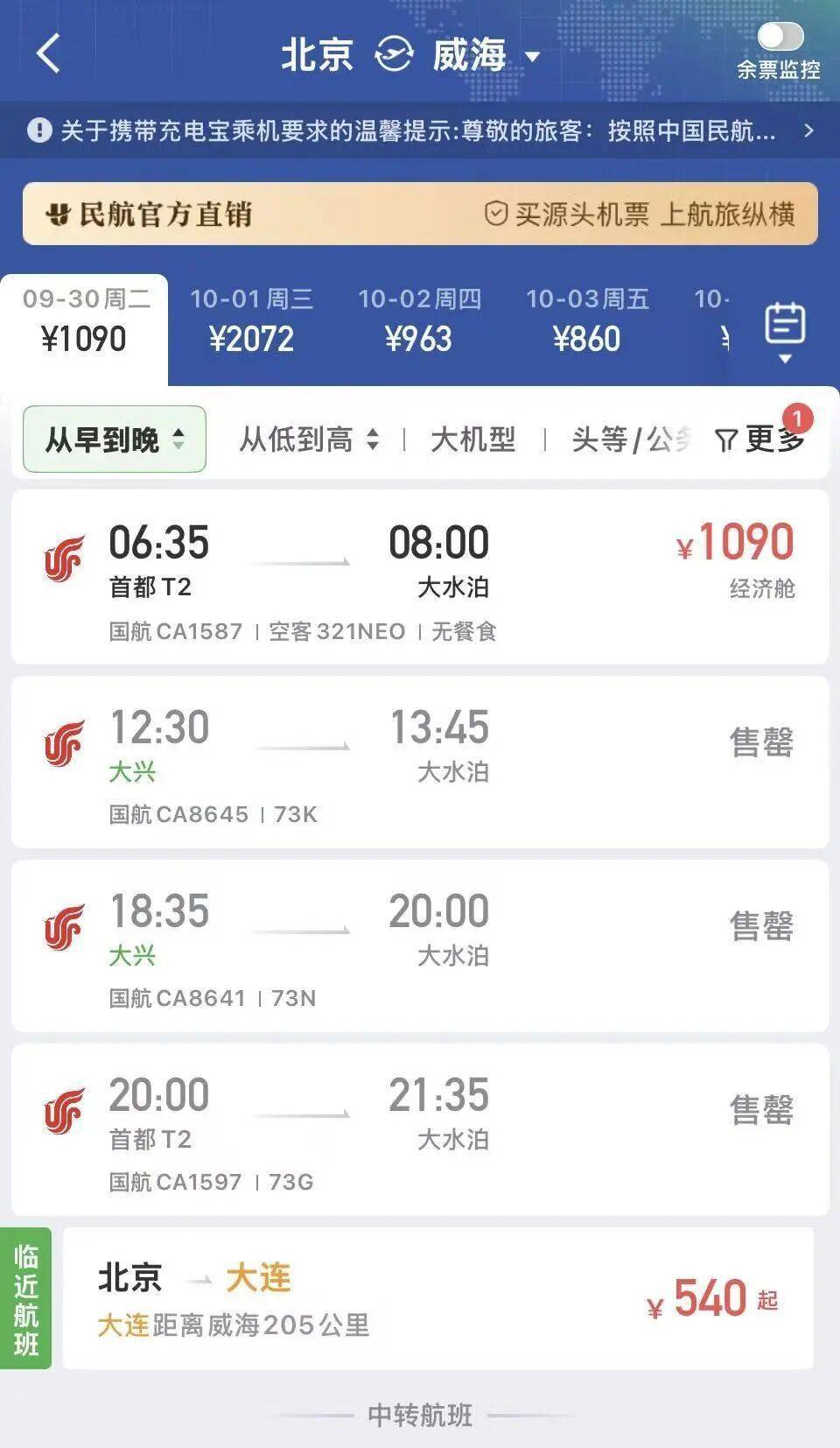
盐财经· 2025-10-03 10:07
Core Viewpoint - The article discusses the phenomenon of airlines selling tickets at significantly discounted prices through live streaming platforms, highlighting a shift in consumer behavior and airline marketing strategies in response to ongoing financial challenges in the aviation industry [2][22]. Group 1: Ticket Pricing and Consumer Behavior - Many consumers believe that waiting to purchase tickets will yield lower prices, while others are actively buying tickets in advance during live streams, treating them like essential goods [2][4]. - Recent promotions have led to astonishingly low ticket prices, such as 200 yuan for flights to South Korea and 19 yuan for flights from Chengdu to Bangkok, raising questions about the sustainability of such pricing [4][7]. - The trend of airlines selling tickets through live streaming has become more frequent, with some airlines hosting multiple sessions each month [7][9]. Group 2: Airline Financial Performance - Major airlines in China have faced significant financial losses, with the three largest airlines collectively losing 496.59 billion yuan in the first half of 2022, and continuing to report losses in 2025 [27][28]. - Despite a recovery in domestic travel, airlines have struggled to return to profitability, with average ticket prices dropping to 740 yuan, a 6.9% decrease year-on-year [31][32]. - The financial struggles of airlines are compounded by high fixed costs and a competitive market, leading to a strategy of "price for volume" to maintain cash flow [29][30]. Group 3: Market Competition and Challenges - The aviation industry is experiencing intense competition, with many airlines unable to reduce flight schedules due to high fixed costs, resulting in an oversupply of flights [29][40]. - The expansion of high-speed rail networks has created direct competition for airlines, particularly on short-haul routes, leading to a decline in flight numbers and passenger volumes [38][39]. - International flight recovery has been slow, with airlines facing challenges in filling seats, further exacerbating the oversupply situation in the domestic market [40][43]. Group 4: Future Outlook and Consumer Impact - The current market conditions are prompting airlines to innovate and differentiate their services to attract consumers, suggesting a potential shift towards enhanced customer experience [48]. - Consumers are benefiting from lower ticket prices and increased flexibility in travel options, as airlines adapt to the changing landscape [48].








国庆机票怎么贵成这样了?
Sou Hu Cai Jing· 2025-09-30 06:47
Core Viewpoint - The civil aviation market is entering a consolidation phase, with airlines adopting more stable pricing strategies, leading to a notable absence of significant price drops for tickets ahead of the National Day holiday [1][14]. Group 1: Ticket Pricing Trends - This year, ticket prices have remained stable, contrasting with previous years where significant price drops were common before holidays [2][11]. - As of September 26, 2025, domestic flight ticket bookings for the National Day and Mid-Autumn Festival holiday exceeded 10.19 million, with a daily booking increase of approximately 6% compared to the previous year [2]. - The average ticket price for the upcoming holiday is reported at 819 yuan, reflecting a 9.1% increase from the same period last year [3][11]. Group 2: Demand and Supply Factors - Increased demand for travel, driven by the extended holiday period and "leave-packing" strategies, has contributed to the stability of ticket prices [2][12]. - The overall flight capacity has not significantly increased, which, combined with high demand, has prevented drastic price fluctuations [12][14]. Group 3: Airline Strategies and Market Conditions - Airlines are now more adept at predicting market trends and adjusting their pricing strategies accordingly, resulting in prices that are more aligned with market demand [14]. - The three major airlines (Air China, China Eastern Airlines, and China Southern Airlines) reported a combined loss of 4.77 billion yuan in the first half of the year, indicating ongoing challenges in the market [13]. - Regulatory measures have been introduced to maintain price order in the aviation market, reflecting a shift towards more stable pricing practices [13][14].