
雪地胎

Search documents
大寒至,年关近!辽宁交警送你一份“冰雪驾驶指南”
Xin Lang Cai Jing· 2026-01-20 15:49
Core Viewpoint - The article emphasizes the importance of safety measures and precautions for driving in snowy and icy conditions as the "Great Cold" season begins, highlighting the expected severe weather conditions and the need for drivers to be well-prepared. Weather Conditions - The "Great Cold" season has started, with predictions of strong winds and low temperatures across various regions, including Dalian, Fuxin, and Chaoyang, where temperatures may drop to between -30°C and -24°C [1] - Wind chill effects are expected to be significant, urging individuals to pay attention to weather forecasts and prepare for extreme cold [1] Driving Safety Tips - Drivers are advised to check their vehicle's wipers and ensure they are functioning properly before heading out [2] - It is crucial to use vehicle lights appropriately, including headlights and hazard lights, to enhance visibility [2] - Due to slippery road conditions, drivers should reduce speed, increase following distance, and avoid sudden maneuvers to prevent accidents [2][3] Vehicle Features - Drivers should utilize safety features such as TCS (Traction Control System) and ESP (Electronic Stability Program) to enhance vehicle stability and prevent skidding [4][5] - The ABS (Anti-lock Braking System) should be fully engaged during emergency braking to maintain control [5][6] Equipment Recommendations - It is recommended to equip vehicles with snow chains on drive wheels to improve traction and safety [8][9] - Switching to winter tires is advised for northern drivers, as they provide better grip on icy roads compared to regular tires [10][11] Driving Techniques - Maintaining a slow speed is essential on icy roads, as higher speeds increase the risk of losing control [12] - Gentle steering and braking are critical to avoid skidding; sudden movements can lead to loss of vehicle stability [14][15] - The braking distance on icy roads can be significantly longer, with data indicating it can be over seven times that of dry roads [15][16] Emergency Preparedness - Drivers in high-cold regions should carry essential emergency supplies to ensure safety in case of being stranded due to severe weather conditions [19]


无忧出行 畅玩贴士
Xin Lang Cai Jing· 2026-01-19 19:14
Core Viewpoint - The article emphasizes the growing popularity of winter sports, particularly ice skating and skiing, as a means to transform cold winter resources into a vibrant economy, highlighting the importance of safety and proper equipment for an enjoyable experience [5]. Transportation Safety - For self-driving, it is crucial to prepare vehicles with snow tires, anti-skid chains, and emergency supplies, and to conduct pre-trip checks on tire pressure and brake systems [6][7]. - Driving techniques should include low-speed driving, gentle acceleration and braking, and maintaining a safe distance from other vehicles [6]. - Public transport should prioritize vehicles equipped with snow tires and driven by experienced drivers [7]. Cold Weather Protection - In extremely cold regions, a three-layer clothing system is recommended, including thermal underwear, fleece layers, and insulated outerwear, along with essential accessories like waterproof boots and face masks [9][10]. - For electronic devices, it is advised to carry spare batteries and power banks, and to protect them from extreme cold [10]. Ski Equipment Selection - Ski clothing should prioritize waterproof and breathable materials, with a recommended waterproof index of at least 10,000 [11]. - Snow boots must have deep tread for grip and insulation to keep feet warm [11]. - Protective gear should fit well and include helmets and goggles to ensure safety while skiing [11]. Safety in Winter Activities - It is essential to choose accredited ski resorts and ensure that all equipment is regularly inspected [12]. - Skiers should wear helmets and follow safety protocols, maintaining a safe distance from others [12]. - Tourists should adhere to designated paths in scenic areas and be cautious of icy conditions [14].
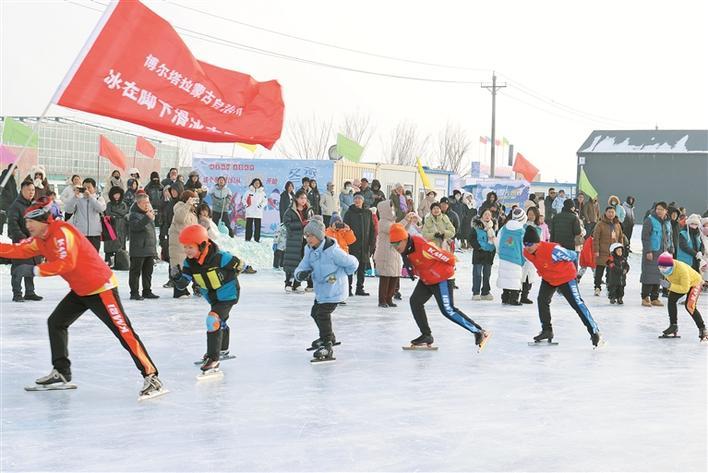
视频丨开车、骑车、步行 雨雪天气出行注意这些
Xin Lang Cai Jing· 2026-01-18 23:37
Core Viewpoint - The article discusses the severe weather conditions in China, including freezing temperatures, snow, and ice, and provides safety tips for driving, cycling, and walking during these conditions. Group 1: Driving Safety - Drivers should prepare their vehicles by checking tire conditions and replacing regular tires with snow tires when temperatures drop below 7°C, as regular tires lose grip [1] - It is advised to drive cautiously and slowly on icy roads, employing a technique referred to as "three soft and one slow," which emphasizes gentle acceleration, steering, and braking, along with reduced speed [2][3] - In case of losing control on snow-covered roads, drivers should steer in the opposite direction of the skid and avoid sudden braking until the vehicle slows down naturally [4] Group 2: Cycling Safety - Cyclists are encouraged to reduce speed and avoid sharp turns during snowy weather, wearing helmets and maintaining focus [6] - It is recommended to slightly deflate tires to increase traction and to choose routes with dry or wet snow instead of icy surfaces [6] Group 3: Walking Safety - Pedestrians should wear non-slip shoes and adopt a "penguin walk" technique, which involves taking small steps, leaning slightly forward, and keeping knees bent [7] - Caution is advised around areas where ice may form, such as under eaves or near trees, and individuals should be aware of potential falling ice [7]
低温雨雪天出行指南:如何规避行车风险与健康隐患
Yang Shi Wang· 2026-01-10 08:13
Group 1 - The article emphasizes the risks associated with low-temperature, rain, and snow conditions, particularly the dangers of slippery roads and the potential for cold weather to trigger cardiovascular diseases [1][3] - It is advised that drivers should use daytime running lights and low beam headlights during winter due to shorter daylight hours, and reduce speed on icy roads to maintain control [3] - Experts recommend switching to winter tires, which provide better traction on snow and ice compared to regular tires, enhancing safety during winter driving [4] Group 2 - Medical professionals suggest wearing masks outdoors to protect the respiratory system from cold air, and to keep the neck and chest areas warm to prevent cold-induced health issues [6] - The article highlights that sudden temperature drops can exacerbate chronic conditions such as arthritis and bronchitis, and may lead to serious cardiovascular events [6]
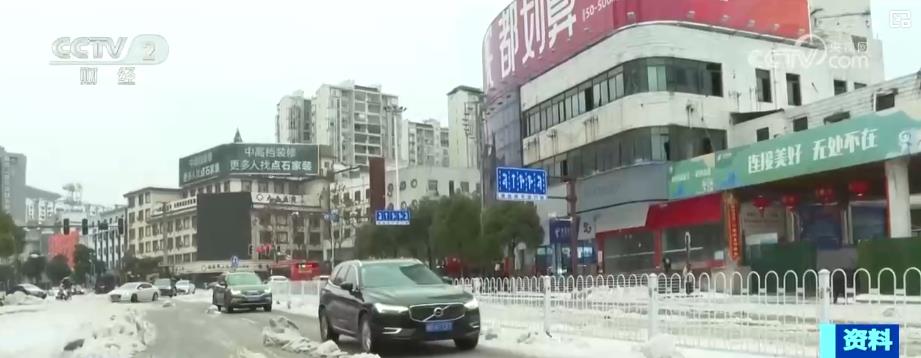
@司机朋友们 雪天开车要牢记这些驾驶技巧
Yang Shi Xin Wen· 2025-12-23 14:48
Group 1 - Winter weather conditions such as snow and ice can lead to vehicle skidding and component failures due to low temperatures [1][3] - Traditional fuel vehicles experience thickening of oil and difficulty in restarting the engine in cold weather, which can cause vehicle stalling [3] - Electric vehicle range may decrease by 20% to 30% in winter, and using the heater further drains battery power, especially in traffic jams [5][6] Group 2 - Snow can obstruct driver visibility, and reflections from snow can cause glare, reducing the ability to observe traffic conditions [8] - Wet floor mats from snow can slide under pedals, potentially causing loss of vehicle control [10][11] - Drivers should prepare their vehicles before winter travel by checking lights, brakes, and wipers, and removing snow safely [13] Group 3 - It is advisable to install winter tires or snow chains for better control and safety on icy roads [15] - Driving tips include reducing speed, maintaining distance, and using appropriate lights in low visibility conditions [17] - Parking precautions should be taken to prevent wipers from freezing and to protect the vehicle's paint from wind [19][20] Group 4 - Certain road sections are more prone to ice formation, such as bridges, overpasses, tunnel entrances, and shaded areas [22][25][28] - Drivers should be cautious in low-lying areas where cold air accumulates, and maintain stable steering to avoid skidding [30][33]
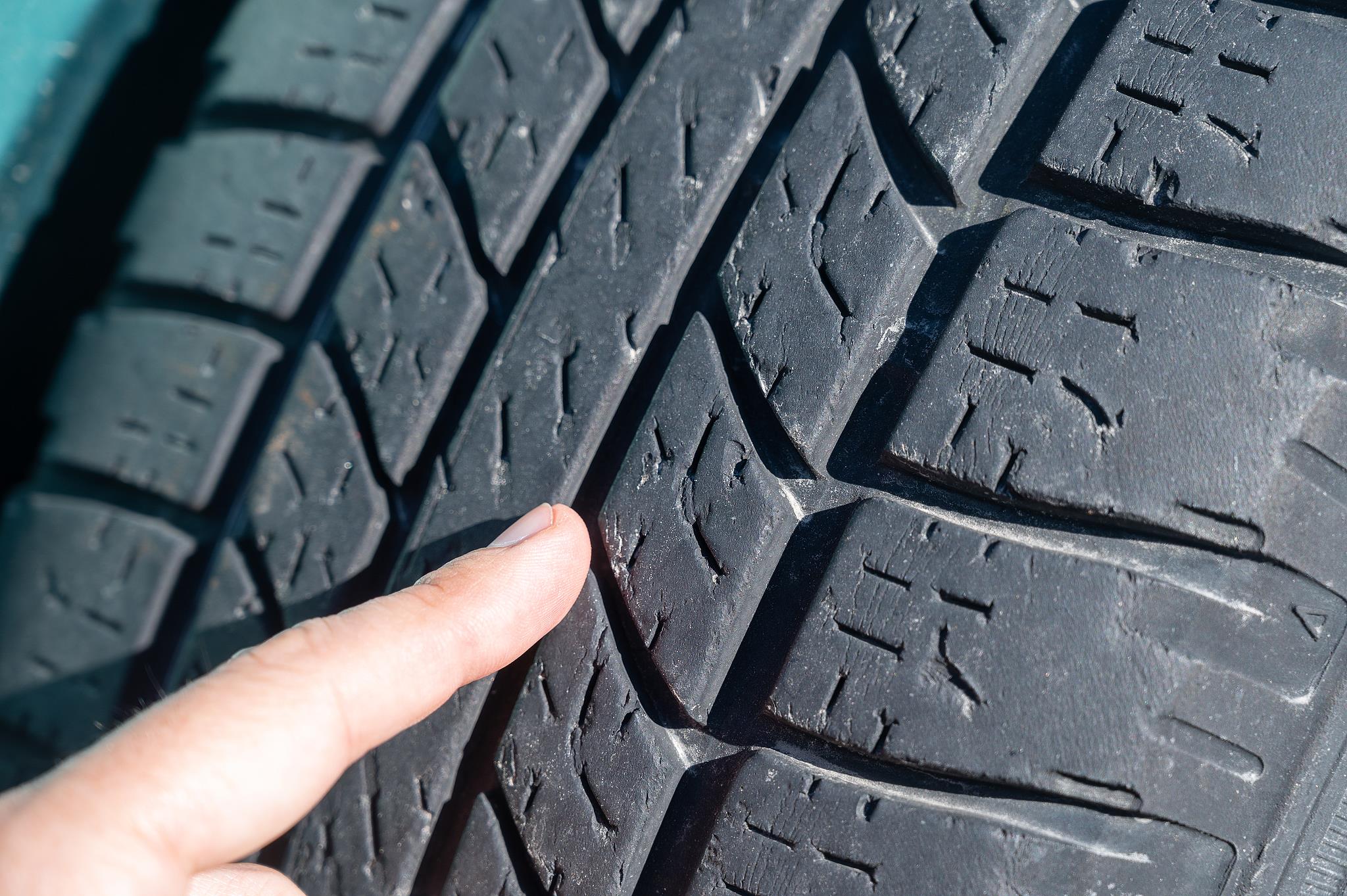
冬季交通安全锦囊到了,请查收
Xin Hua Wang· 2025-12-02 21:29
Core Viewpoint - The article emphasizes the increased traffic safety risks during winter due to low temperatures, snow, and icy roads, urging individuals to enhance their awareness and precautions while traveling [1] Group 1: Traffic Safety Measures - The presence of invisible ice on roads is a significant cause of winter traffic accidents, particularly on highways where snow may have been cleared but ice can form in shaded areas [2] - Drivers are advised to control their speed based on road conditions and maintain a steady driving rhythm if they experience wheel slip, avoiding sudden movements [2] - For electric bicycles, riders are cautioned against substituting helmets with heavy winter hats and are encouraged to wear proper protective gear while being vigilant of road conditions [5] Group 2: Vehicle and Equipment Recommendations - Snow tires are becoming a popular choice for consumers in regions with winter weather, providing better traction on snowy roads despite a slight increase in fuel consumption [3] - The effectiveness of vehicle safety features is reduced in complex winter conditions, and it is recommended to avoid using autonomous driving functions during such weather [4] Group 3: Pedestrian Safety - When selecting winter footwear, individuals should prioritize actual performance over advertising claims, testing shoes for slip resistance on various surfaces [6] - In extreme weather, pedestrians are advised to minimize outings and adopt techniques to maintain balance and reduce the risk of falls on icy surfaces [6]

化工周报:雪地胎需求集中,轮胎开工率继续回升-20251026
Hua Tai Qi Huo· 2025-10-26 12:31
Report Industry Investment Rating - RU and NR are rated neutral. BR is also rated neutral [4] Core Viewpoints - The demand for winter tires is concentrated, and the tire operating rate continues to rise. The inventory of natural rubber in China has decreased, with the cost - end support for natural rubber remaining strong, but the supply is expected to increase in the peak season. For butadiene rubber, the supply - side support remains, and the price is likely to rise but the high inventory may limit the rebound space [3][4] Summary by Directory 1. Market News and Important Data Raw Materials and Spreads - Thailand's glue is 54.50 Thai baht/kg (+0.00), cup rubber is 52.40 Thai baht/kg (+1.10), Yunnan's glue is 14,000 yuan/ton (+0), Hainan's glue is 13,600 yuan/ton (+0), RU basis is - 685 yuan/ton (+10), NR basis is 814 yuan/ton (-4), BR basis is - 220 yuan/ton (+0) [1] Spot - The price of Yunnan - produced whole latex in the Shanghai market is 14,650 yuan/ton (+100 yuan/ton). The price of Thai mixed rubber in Qingdao Free Trade Zone is 15,000 yuan/ton (+100 yuan/ton). The price of Thai 20 - standard rubber in Qingdao Free Trade Zone is 1,870 US dollars/ton (+10 US dollars/ton), and that of Indonesian 20 - standard rubber is 1,760 US dollars/ton (+10 US dollars/ton). The ex - factory price of BR9000 from Sinopec Qilu Petrochemical is 11,200 yuan/ton (+0 yuan/ton) [1] Supply - The warehousing rate of natural rubber at Qingdao Port is 5.64% (-1.99%), including 5.53% (-1.97%) for general trade and 6.22% (-2.14%) for bonded warehouses. The operating rate of high - cis butadiene rubber is 71.71% (-2.12%), and the output is 28,791 tons [1] Production Profit - The production profit of Thai STR20 is - 219.00 yuan/ton (-165.00), and that of Thai RSS3 is 2,544.00 yuan/ton (+70.00). The production profit of butadiene rubber is 48 yuan/ton (+206), and that of butadiene produced by carbon - four extraction method is 1,594.88 yuan/ton (-173.54) [2] Demand - The operating rate of all - steel tires is 65.87% (+1.91%), and that of semi - steel tires is 72.84% (+2%). The inventory days of all - steel tires in Shandong Province are 40.34 days (+0.39), and those of semi - steel tires are 45.26 days (+0.09) [2] Inventory - The inventory of natural rubber at Qingdao Port is 461,188 tons (-125,451), the social inventory of natural rubber is 1,112,557 tons (-122,953), the RU inventory on the Shanghai Futures Exchange is 124,020 tons (-10,980), and the NR futures inventory is 42,640 tons (+2,521). The port inventory of upstream butadiene is 24,600 tons (-6,200), the inventory of butadiene rubber manufacturers is 28,650 tons (+750), and the inventory of butadiene rubber traders is 4,520 tons (-340) [2] 2. Market Analysis - Natural Rubber: Rainfall in major domestic and overseas production areas is expected to decrease. Since early October, China's inventory has decreased due to the slowdown in arrivals and the increase in tire operating rates. The demand for winter tires in northern China has boosted the operating rate of steel tires. With less rain later, focus on the price trend of cup rubber in Thailand. The cost - end support for natural rubber remains strong, but the supply is expected to increase in the peak season [3] - Butadiene Rubber: Many butadiene rubber plants are under maintenance, and more plants have maintenance plans. The supply - side support remains. The demand for winter tires in northern China has boosted the operating rate of steel tires [3] 3. Strategy - RU and NR: Neutral. China's overall supply and demand may show a prosperous pattern. If the arrival volume rebounds, the depletion of social inventory will slow down or accumulate again. Currently, the valuations of RU and NR are low, and the price is expected to move within a range. Pay attention to reverse spread opportunities [4] - BR: Neutral. Supply and demand may improve. The price of upstream butadiene raw materials is expected to be stable, and the surrounding natural rubber price provides bottom support for butadiene rubber. The price of butadiene rubber is likely to rise, but the high inventory may limit the rebound space. Pay attention to positive spread opportunities between months [4]