
雷鸟X3 Pro Project eSIM AR眼镜

Search documents
CES“含深量”9% 全球智能硬件版图重塑两大原因
2 1 Shi Ji Jing Ji Bao Dao· 2026-01-15 11:17
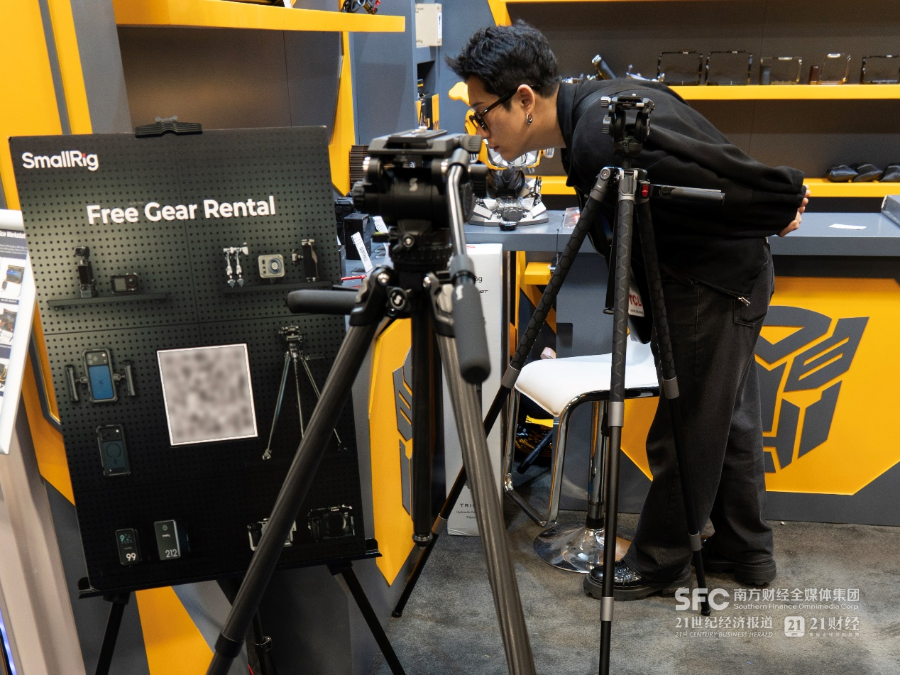
Core Insights - The CES 2026 showcased a significant shift in focus from traditional international brands to the emerging strength of Shenzhen's smart hardware companies, with 370 exhibitors from Shenzhen among over 4100 global participants [4][18] - Shenzhen enterprises are moving towards the ends of the "smile curve," actively defining products and user experiences rather than merely responding to manufacturing demands [6][7] - The event highlighted the importance of user co-creation in product development, with companies like SmallRig and追觅 demonstrating innovative approaches to engage with users and enhance product offerings [8][9] Industry Trends - Shenzhen's smart hardware companies are establishing global influence by not only exporting products but also setting technical standards and creating entire innovation ecosystems [14][15] - The trend of "born global" companies indicates a strategic shift from product sales to value output, emphasizing the importance of core technology and local market integration [15][16] - The focus on localization in overseas markets is becoming crucial, with companies investing in service systems and community ecosystems to build brand recognition and customer loyalty [16][17] Technological Advancements - Shenzhen enterprises have made significant breakthroughs in core technologies, such as robotics and AI, allowing them to redefine hardware capabilities and enhance user interaction [9][11] - Innovations showcased at CES 2026 included advanced robotics with tactile sensing and AI integration, demonstrating the potential of physical AI in real-world applications [11][12] - The introduction of products like雷鸟创新's AR glasses and影石创新's 8K drones illustrates the convergence of AI and hardware, pushing the boundaries of user experience and interaction [12][18]

中国科技企业闪耀CES,以创新和品牌力突围
2 1 Shi Ji Jing Ji Bao Dao· 2026-01-10 00:10
Group 1 - The core viewpoint of the articles highlights the increasing presence and competitiveness of Chinese technology companies at the CES 2026, showcasing a shift from traditional manufacturing roles to a more diversified global strategy that emphasizes technology, design, and localized operations [1][4]. - Chinese companies are exhibiting a strong focus on AI integration, with nearly all exhibitors emphasizing AI in their presentations, indicating a trend towards practical applications rather than just theoretical concepts [2][3]. - The number of Chinese humanoid robot exhibitors at CES 2026 exceeds 20, surpassing the total from the US, Japan, South Korea, and Europe combined, demonstrating a significant cluster effect in this sector [2]. Group 2 - In the first three quarters of 2025, China's export of high-tech products reached 37.5 trillion yuan, marking an 11.9% increase and contributing over 30% to the overall export growth during the same period [1]. - The global market for robotic vacuum cleaners is dominated by Chinese brands, which accounted for over 60% of the market share in terms of shipment volume in 2025 [5]. - Chinese technology companies are increasingly focusing on brand building after achieving significant sales milestones, with many adopting interactive marketing strategies to enhance brand visibility and consumer engagement [6][7]. Group 3 - The CES serves as a window into technological trends and reflects the journey of Chinese companies expanding into overseas markets, with a notable increase in brand recognition and a shift away from the "low-price label" to a "technology leader" image [4][6]. - The rapid iteration cycles of Chinese companies, averaging six months to a year for product updates, contrast with European companies that typically require two to three years, allowing for quicker market responsiveness [4][6]. - Challenges remain for Chinese companies in navigating diverse market environments, including varying consumer preferences, regulatory requirements, and external uncertainties, which necessitate comprehensive long-term strategic planning [7][8].