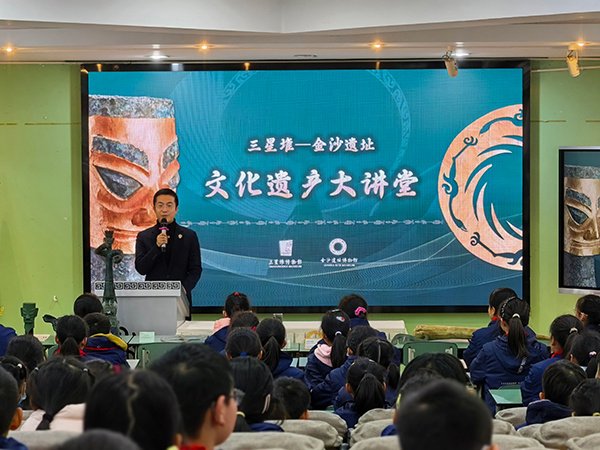
青铜时代的古蜀文明裸眼3D视频

Search documents
数字化保护是要对抗时间与遗忘
Xin Lang Cai Jing· 2026-01-02 17:26
Core Viewpoint - Digital preservation is essential to combat the threats of time and forgetfulness against cultural heritage, providing scientific solutions for establishing permanent archives [3][6]. Group 1: Importance of Digital Technology in Cultural Heritage - Digital technology has given cultural heritage a "digital life," allowing for measurement, recording, planning, daily management, monitoring, and display, thus becoming a vital means for protection and utilization [3][4]. - The application of digital technology, such as "micron-level" imaging techniques, has enabled the recognition of previously illegible inscriptions on ancient artifacts, enhancing the understanding of cultural heritage [4][5]. Group 2: Innovative Exhibition Methods - Museums are increasingly utilizing digital technology for immersive exhibitions, combining AR and projection to create engaging experiences that illustrate historical contexts [5][6]. - Successful cases include the digital archiving of 4,113 cultural relics in Sichuan, which has led to the development of immersive digital cultural products that transform static artifacts into interactive experiences [5][6]. Group 3: Challenges and Considerations - The rapid development of technology necessitates critical examination of its application in cultural heritage, questioning whether digital displays genuinely convey the core values of heritage or merely serve marketing purposes [6][7]. - Scholars emphasize the need for ongoing reflection on how digitalization impacts the authenticity and educational value of cultural heritage, as well as the potential for creating misleading historical narratives [7][8]. Group 4: Cultural Transformation - Digital technology is facilitating a cultural transformation, allowing cultural heritage to engage in multidimensional interactions and resonate with contemporary audiences, thereby enhancing global understanding of Chinese culture [7][8].

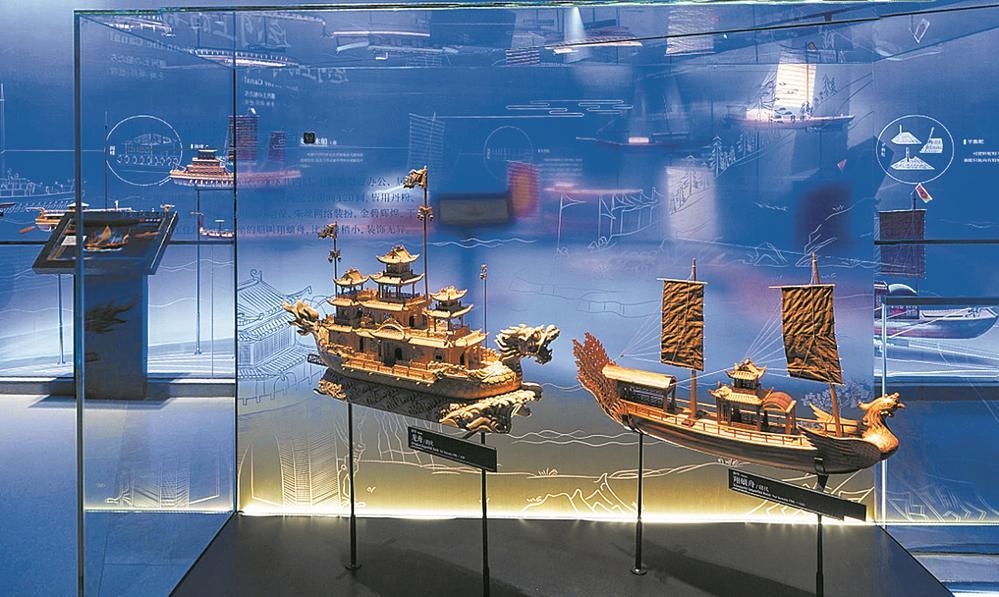
数字赋能,古蜀文明“活”起来、“火”下去——四川创新推动古蜀文明走向世界
Xin Lang Cai Jing· 2025-12-27 12:30
Core Viewpoint - Sichuan is leveraging digital technology to activate and promote the ancient Shu civilization, transforming static historical relics into dynamic cultural resources that can be experienced and shared globally [3][4][12] Group 1: Digital Technology in Cultural Heritage - Sichuan is utilizing digital technologies such as 3D scanning and digital modeling to create accurate replicas of ancient artifacts, allowing for interactive learning experiences [1][3] - A systematic digital archive has been established for 4,113 cultural relics at the Sanxingdui and Jinsha museums, facilitating efficient management and preservation [6] - Advanced technologies like remote sensing and AI are being employed for archaeological documentation and virtual restoration of artifacts, enhancing the preservation efforts [6][7] Group 2: Immersive Cultural Experiences - Sichuan has developed immersive digital cultural products, such as 3D videos and global exhibitions, that transform static artifacts into engaging experiences for the public [7] - The integration of cultural heritage with tourism is being promoted, with initiatives like mobile cultural classrooms and collaborative development of cultural tourism zones [7] Group 3: International Promotion and Engagement - An international communication system is being constructed to elevate ancient Shu civilization as a shared human heritage, with significant online engagement through social media platforms [8][9] - Diverse promotional strategies are being implemented in various countries to resonate with local audiences, enhancing global awareness and appreciation of ancient Shu culture [11] Group 4: Cultural Industry Development - The development of cultural IPs and creative products is being prioritized, with significant revenue generated from cultural merchandise, indicating a thriving cultural economy [11][12] - Collaborations with popular entertainment IPs and innovative projects are helping to modernize and popularize ancient Shu civilization among younger generations [11][12] Group 5: Collaborative Efforts for Cultural Exchange - Sichuan is fostering collaboration among cultural institutions and research organizations to promote the protection and transmission of ancient Shu civilization [12] - Partnerships with international museums are being established to facilitate joint exhibitions and research, enhancing global cultural exchange [12]