青龙全尺寸通用人形机器人开源公版机

Search documents
2025年的冬天,上海凭什么被称为“世界具身智能第一战场”?
Xin Lang Cai Jing· 2025-12-05 10:23
Core Insights - The article emphasizes the rapid advancement of the embodied intelligence industry in China, particularly in Shanghai, as it prepares for the GDPS 2025 Global Developer Pioneer Conference, which is seen as a pivotal moment for the industry [1][42]. Group 1: Industry Development - Shanghai is positioned as a leading city for developers, providing not just funding but also essential resources and pathways for innovation [3][44]. - The city has opened up over a hundred core scenarios for companies to test and implement embodied intelligence technologies, including high-end manufacturing and healthcare [4][45]. - The government acts as a "Chief Scenario Officer," facilitating market access for developers by providing valuable public resources [6][47]. Group 2: Technological Advancements - Shanghai has introduced a "computing voucher" policy, offering up to 40 million yuan per year to support companies, making high-level computing resources accessible to smaller teams [7][48]. - The city is also investing in the construction of a "physical world knowledge base" to break down data silos and enhance industry-wide data sharing [9][50]. - The physical proximity of various industry players in Zhangjiang has significantly reduced the hardware iteration cycle from months to weeks or even days, fostering a closed-loop ecosystem for embodied intelligence [10][52]. Group 3: Industry Achievements - Companies like Zhiyuan Robotics have set records, demonstrating the robustness of their humanoid robots, which can operate autonomously over long distances [13][54]. - Fourier Intelligence has developed advanced rehabilitation robots that excel in sensitivity and precision, marking a significant commercial leap from laboratory to delivery [14][57]. - The release of the "Qinglong" open-source humanoid robot by the National Earth Center is expected to advance the industry by at least 18 months, moving towards standardized industrial practices [17][58]. Group 4: Future Outlook - The GDPS event on December 12 is framed as a comprehensive demonstration of the capabilities of embodied intelligence technologies, with a focus on practical applications rather than theoretical presentations [30][71]. - The article concludes that the establishment of a complete ecosystem for embodied intelligence in Shanghai represents a significant milestone, enabling these technologies to evolve from mere tools to partners in various sectors [35][76].

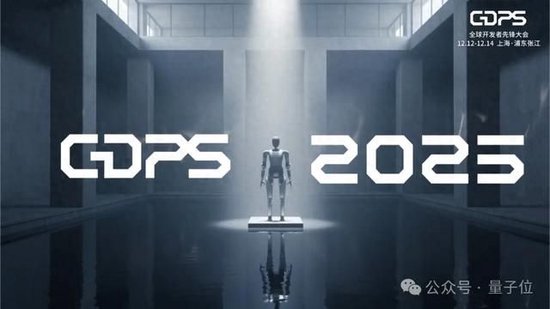
2025年的冬天,上海凭什么被称为“世界具身智能第一战场”?
量子位· 2025-12-05 02:13
Core Viewpoint - The article emphasizes the rapid advancement of China's embodied intelligence industry, particularly in Shanghai, as it prepares for the GDPS 2025 Global Developer Pioneer Conference, which is seen as a pivotal moment for the industry to transition from digital to physical applications [1][3]. Group 1: Shanghai's Role in Embodied Intelligence - Shanghai is positioned as a model for a "service-oriented government," providing not just funding but also pathways and resources for developers [3]. - The city has opened up over a hundred core scenarios in high-end manufacturing, healthcare, and urban governance for companies to test and implement embodied intelligence solutions [4][6]. Group 2: Supportive Policies and Infrastructure - Shanghai has introduced a "computing power voucher" policy, offering up to 40 million yuan per year to support companies in accessing high-level computing resources [7][8]. - The government is also providing up to 5 million yuan annually to support the construction of a common knowledge base for physical world interactions, addressing the industry's data isolation issues [9][10]. Group 3: Industry Evolution and Technological Breakthroughs - The physical proximity of various components in the Zhangjiang Robot Valley has significantly reduced the hardware iteration cycle from months to weeks or even days, fostering an ecosystem for embodied intelligence [11][13]. - The article highlights the emergence of competitive "unicorns" in the industry, marking a shift from conceptual visions to practical engineering solutions [15]. Group 4: Notable Achievements in Robotics - Zhiyuan Robotics set a Guinness World Record for endurance with its A2 robot, demonstrating advanced energy management and SLAM algorithms by walking 106.286 kilometers autonomously [16][17]. - Fourier Intelligence's GR-2 robot has become a benchmark in safety and sensitivity in rehabilitation, showcasing its ability to understand human pain and touch [18][19]. Group 5: Future Prospects and Challenges - The GDPS event on December 12 is framed as a comprehensive demonstration of the capabilities of embodied intelligence teams, focusing on real-world applications rather than theoretical presentations [35][36]. - The article concludes that the establishment of a complete ecosystem for embodied intelligence in Shanghai represents a significant milestone for the industry, enabling the development of intelligent systems that can learn and adapt in real-world environments [43][44].

深度|硅基生命的“成年礼”:上海具身智能的入世大考与万亿生态突围
Z Potentials· 2025-12-05 00:04
Core Viewpoint - The article emphasizes the rapid advancement of the embodied intelligence industry in Shanghai, highlighting the city's role as a hub for innovation and development in this field, particularly in the context of the upcoming GDPS 2025 Global Developer Pioneer Conference [2][4][12]. Group 1: Shanghai's Ecosystem for Developers - Shanghai is portrayed as a "service-oriented government" that understands the deep pain points of developers, providing not just funding but also essential resources and pathways for growth [4][7]. - The city has opened up over a hundred core scenarios for enterprises, allowing them to test and implement embodied intelligence technologies in real-world settings, such as high-end manufacturing and healthcare [5][10]. - The government acts as a "Chief Scenario Officer," facilitating market access for developers by providing valuable public resources [7]. Group 2: Empowering Technology through Policy - Shanghai has introduced a "computing power voucher" policy, offering up to 40 million yuan per year to support companies, making high-level computing resources accessible to smaller teams [8]. - The city is also investing in the construction of a "physical world knowledge base," providing up to 5 million yuan annually to support the development of essential interaction data for the industry [9]. - The physical proximity of various components in the Zhangjiang Robot Valley has significantly reduced the iteration cycle of hardware from months to weeks or even days, fostering a closed-loop ecosystem for embodied intelligence [10]. Group 3: Transformative Technological Changes - The article identifies three major technological shifts driven by Shanghai's policies and market environment that have enabled the advancement of robotics [18]. - The introduction of computing power vouchers has transformed the cognitive capabilities of robots, allowing them to understand and respond to commands effectively [20]. - The physical clustering of the supply chain has enhanced the integration of sensors and algorithms, enabling robots to develop a sense of touch and precision in their operations [24]. - The establishment of digital twin training platforms has accelerated the learning process for robots, allowing them to gain experience in a risk-free environment [27]. Group 4: GDPS as a Showcase of Innovation - The GDPS event on December 12 is framed as a significant demonstration of the capabilities of embodied intelligence technologies, showcasing the practical applications of innovations developed in Shanghai [29][30]. - The competition will assess robots' abilities in various scenarios, including industrial tasks, artistic challenges, and emergency response situations, emphasizing the importance of real-world performance over theoretical presentations [31][34][38]. - The article concludes that the establishment of a complete ecosystem for embodied intelligence in Shanghai marks a significant milestone in the industry's evolution, enabling these technologies to transition from tools to partners in various applications [40].