具身智能

Search documents
越疆2025年收入增超31%:具身智能收入数倍增长,将继续加大具身投入
IPO早知道· 2026-03-31 03:05
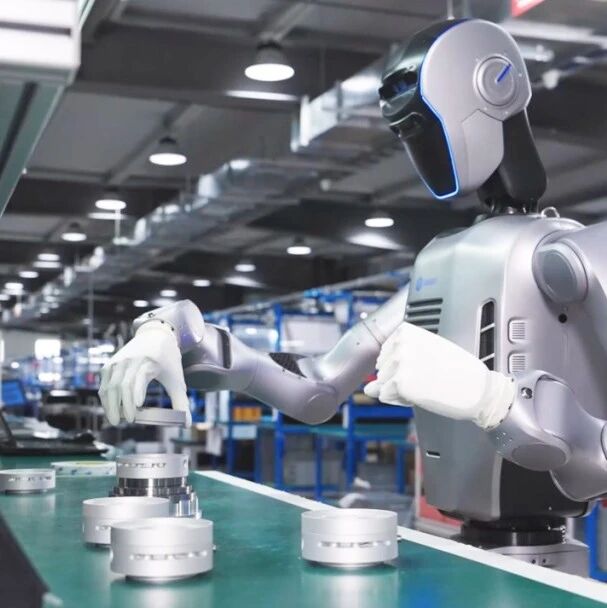
Core Viewpoint - The article highlights the significant growth and transformation of the company, Yuejiang, from a leader in collaborative robotics to a frontrunner in embodied intelligence, driven by substantial investments in R&D and a focus on real industrial applications [3][5][16]. Group 1: Financial Performance and Market Position - In 2025, Yuejiang reported a revenue growth of 31.7% year-on-year, with collaborative robot shipments reaching over 100,000 units, maintaining the leading position in domestic brand exports [3][5]. - The company serves over 80 Fortune 500 companies across 15 major industries and more than 200 sub-sectors, solidifying its position as a top player in the global collaborative robot market [3][7]. Group 2: R&D and Technological Advancements - Yuejiang's total R&D investment in 2025 increased by approximately 60%, focusing on embodied intelligence, which is expected to see multiple growth in revenue [5][16]. - The company has achieved a self-research rate of over 90% for core components, enabling a new product development cycle of just 7 months [10][11]. Group 3: Strategic Transition and Market Differentiation - The transition from "collaborative robot leader" to "embodied intelligence leader" is characterized by leveraging deep industrial scenarios and a globally leading "one brain, multiple bodies" platform [5][12]. - Yuejiang's unique value proposition lies in its ability to grow naturally from high-end manufacturing, providing a solid foundation for its embodied intelligence capabilities [17]. Group 4: Global Expansion and Application - Yuejiang has been the top exporter of industrial robots in China for eight consecutive years, with products sold in over 100 countries and regions [9]. - The company has launched the "one brain, multiple bodies" embodied intelligence platform, which integrates hardware, software, algorithms, and services, enhancing customer stickiness and pricing power [13][17].

当前经济与政策思考:如何实现未来产业的投入增长和风险分担
ZHONGTAI SECURITIES· 2026-03-26 09:02
Funding Sources - In the U.S., government funding is predominant, with the National Institutes of Health (NIH) leading basic research in biomanufacturing, while the Department of Energy (DOE) allocated $790 million for fusion research in FY 2025[5] - The European Union's Quantum Flagship program plans to invest approximately €1 billion over 10 years, with total investments in quantum technology reaching around €2 billion by 2024[10] - Japan's government initiated the "Moonshot R&D" program with an initial budget of ¥100 billion (approximately $900 million) to address structural societal challenges by 2050[13] Investment Mechanisms - The U.S. has established a stable budget mechanism through congressional authorization, with DARPA's budget increasing from approximately $2.27 billion in 1996 to over $4 billion in 2026, reflecting an annual growth rate of about 3%[16] - The EU's Multi-annual Financial Framework (MFF) locks in research funding for seven years, with the Horizon Europe program having a total budget of €95.5 billion for 2021-2027[17] - Japan's Strategic Innovation Promotion Program (SIP) operates on a rolling basis, allowing for adjustments based on project evaluations every five years[19] Risk Sharing - In the U.S., the federal government absorbs the risk of early-stage research failures in quantum technology, while companies like IBM and Google bear the risks during commercialization[20] - The EU employs a "first loss" mechanism where public funds cover a specific percentage of losses to improve the risk-return profile for private investors, with the European Investment Bank (EIB) providing guarantees to enhance project financing[21] - Japan's collaborative agreements between government and companies, such as NTT and Fujitsu, allow for shared risk in quantum technology development, integrating resources from universities and labs[23]
关于开展“2026上海国际具身智能产业博览会(CIEI 2026)”招展工作的通知
机器人圈· 2026-03-26 08:34
Core Viewpoint - The article emphasizes the significance of embodied intelligence as a new competitive arena in the global landscape, highlighting its inclusion in China's national strategic planning as a key driver for future economic development [2]. Group 1: Event Overview - The 2026 Shanghai International Embodied Intelligence Industry Expo will take place from July 2 to July 4, 2026, at the National Exhibition and Convention Center in Shanghai, with setup on June 30 and July 1 [5]. - The expected exhibition area is 30,000 square meters, featuring around 500 exhibitors [5]. Group 2: Organizing Institutions - The event is guided by the China Council for the Promotion of International Trade Shanghai Branch and organized by the China Electromechanical Integration Technology Application Association and Shanghai International Exhibition (Group) Co., Ltd [5]. Group 3: Exhibition Content - The expo will cover various aspects of embodied intelligence, including: - Embodied intelligence entities [7] - Perception systems such as visual sensors and force sensors [8] - Decision-making and cognitive systems, including hardware chips and software algorithms [8] - Execution systems featuring robots, drones, and smart vehicles [8] - Battery storage systems and charging equipment [10] - Automotive intelligent networking technologies [11] - Technology transfer from academic and research institutions [12] - Manufacturing equipment like machining and additive manufacturing [13] Group 4: Target Audience - The audience will be segmented into various sectors, including industrial manufacturing (discrete and process manufacturing) and will include professionals from research platforms, data collection platforms, and innovation centers [14][15]. Group 5: Concurrent Activities - The expo will host several concurrent events, including: - Main forums on the embodied intelligence industry ecosystem and application scenarios [16] - Release of the "China Embodied Intelligence Industry Development Report" [19] - Various thematic seminars and product launch events [19]

至简贾鹏:最快具身独角兽半年融资 20 亿,做 “六边形战士” 才能活
晚点Auto· 2026-03-23 08:50
Core Insights - The core viewpoint of the article emphasizes that the competition in embodied intelligence is fundamentally a competition of systems [3][4]. Group 1: Company Overview - Zhijian Power, founded in July 2025, has raised 2 billion RMB in six months, setting a record for the fastest unicorn in embodied intelligence [4]. - The company has completed five rounds of financing with investments from top financial institutions, including Yuanjing Capital, BlueRun Ventures, and Sequoia China, and has attracted major internet companies like Tencent and Alibaba [4]. - The founding team has extensive experience in mass production and has a strong track record in the closely related field of autonomous driving [4][5]. Group 2: Founder's Background - Founder and CEO Jia Peng, born in 1987, previously led autonomous driving technology development at Li Auto and was the first employee of NVIDIA's autonomous driving team in China [4][5]. - The founding team includes key figures from Li Auto, such as former CTO Wang Kai and former mass production head Wang Jiajia, who have worked closely with Jia for years [4][5]. Group 3: Vision and Strategy - Jia Peng envisions that embodied intelligence will enter every household, but unlike autonomous driving and smartphones, its landscape will be more fragmented, potentially leading to "dispersed monopolies" [6][24]. - The company aims to be a "hexagonal warrior," integrating various aspects of embodied intelligence, including algorithms, models, and data, to create a comprehensive system [6][23]. - The focus is on creating simple models and products that are easy to scale, adhering to the principle of "大道至简" (the way is simple) [6][22]. Group 4: Market Positioning and Future Outlook - The transition from academic research to commercial application in embodied intelligence is expected to occur by the end of this year or early next year, as the industry is moving from the "to A" (academic) to "to B" (business) phase [10][34]. - The company plans to prioritize standardized tasks that can be scaled and will avoid high-frequency tasks that traditional robots cannot handle effectively [36]. - Jia believes that the biggest opportunity for embodied intelligence lies in household robots, especially as societal needs evolve with demographic changes [24][38]. Group 5: Organizational Structure and Culture - The company operates with a flat organizational structure, allowing for flexibility and rapid decision-making without rigid hierarchies [39][41]. - The team consists of three main partners, each responsible for different aspects of the business, fostering a collaborative environment based on mutual understanding and expertise [39][41]. - The culture emphasizes exploration and innovation, encouraging team members to venture beyond their primary roles [41][44]. Group 6: Challenges and Industry Insights - The hardware for embodied intelligence is still immature, with issues related to consistency and reliability being significant challenges [45][46]. - The industry is expected to experience a phase of "hundred flowers blooming," which often precedes market bubbles, indicating potential volatility in the coming years [46][47]. - The company aims to build a comprehensive capability to ensure sustained operations in the competitive landscape of embodied intelligence [48].



从黄仁勋家的车库到机器人的超级大脑:对话原力无限CTO王一舟
创业邦· 2026-03-23 03:42
Core Viewpoint - The article discusses the journey and insights of Wang Yizhou, a key figure in the field of embodied intelligence, highlighting his transition from autonomous driving to robotics and the underlying technological methodologies that connect both domains [4][29]. Group 1: Background and Experience - Wang Yizhou was a core founding member and senior engineering manager at NVIDIA's DriveAV department, which is crucial for the company's autonomous driving technology [4][20]. - He has a strong academic background, having studied under Professor Masayoshi Tomizuka at UC Berkeley, where he developed a comprehensive understanding of control systems and robotics [8][10]. - Wang's experience includes significant contributions to the development of autonomous driving software and the establishment of world model interface standards for major automotive projects [23][24]. Group 2: Transition to Embodied Intelligence - After returning to China, Wang Yizhou took on the role of CTO at Yuanli Wuxian, focusing on embodied intelligence, which he views as a more complex extension of autonomous driving technology [4][29]. - The core challenge in both fields remains the same: ensuring AI systems operate reliably in the real physical world [4][29]. - Wang emphasizes the importance of transferring proven methodologies from autonomous driving to the more challenging domain of embodied intelligence [29]. Group 3: Technological Framework - The technological framework at Yuanli Wuxian integrates two main pillars: the embodied brain and AI infrastructure, which are essential for the robot's cognitive and decision-making capabilities [36][41]. - The embodied brain is developed as an end-to-end multimodal model that allows robots to learn complex tasks through various sensory inputs [41]. - The AI infrastructure supports continuous evolution and learning, ensuring that the system can adapt and improve over time [44][46]. Group 4: Industry Trends and Competition - The article notes a shift in the industry focus from hardware to software, particularly the intelligence of the "brain" in robotics, as companies strive to differentiate themselves in a competitive landscape [49][50]. - Wang Yizhou predicts that the future of embodied intelligence will hinge on the ability to create robust, reliable systems that can operate effectively in complex real-world scenarios [51][52]. - The competition will increasingly revolve around who can develop smarter models and more efficient data loops, rather than just the physical robots themselves [50][51].

【申万宏源策略】周度研究成果(20260316 - 20260322)
申万宏源研究· 2026-03-23 01:06
Group 1: Market Overview - The current market is experiencing significant pressure, with a potential peak in stress levels observed. This is attributed to a decline in funds supporting the "first phase of the rally," leading to a contraction in industry ETFs and a reduction in pension fund allocations to avoid net value losses [7][8]. - The A-share market is in a "two-phase rally" undergoing a consolidation phase, with expectations of a rebound following a period of overselling. The market is likely to remain in a range-bound state, with leading sectors potentially rotating [7][8]. - Short-term investment opportunities are focused on sectors like CPO and energy storage, which are expected to benefit from energy diversification and supply resilience trends. The second phase of the rally is anticipated to include AI industry chains and price increase cycles [8][11]. Group 2: Industry Comparisons - Geopolitical tensions are driving up prices for commodities such as oil, coal, and agricultural products, while concerns about stagflation in overseas economies are rising. The Federal Reserve's hawkish stance has increased the likelihood of no interest rate cuts in 2026, leading to a significant drop in metal and lithium battery futures prices [11][12]. - Despite a continued decline in real estate construction starts, expectations of supply clearance have led to a rebound in prices for cement and glass [11][12]. - Retail sales in January-February showed a year-on-year increase of 2.8%, surpassing expectations, with growth in manufacturing, infrastructure investment, and power generation [11][12]. Group 3: Asset Allocation Strategies - The latest global quantitative asset allocation model suggests an overweight position in gold, A-shares, and resource-based emerging markets, while maintaining standard allocations in US stocks, crude oil, and industrial metals [19][20]. - The strategy emphasizes the importance of "inflation assets," with a continued positive outlook on commodities, energy, precious metals, and industrial metals, while also considering potential rebound opportunities in agricultural products [19][20]. - Caution is advised regarding fixed income investments, particularly long-duration bonds, in light of rising inflation and expectations of wide credit spreads, suggesting a shift towards medium to short-duration credit bonds [19][20]. Group 4: Thematic Investments - The approval of the first invasive brain-computer interface marks a significant advancement in the industry, indicating a notable increase in sector attractiveness [16][18]. - Developments in quantum technology and bio-manufacturing are gaining attention, with significant breakthroughs in energy efficiency and practical applications [16][18]. - China's commitment to the "Triple Nuclear Declaration" and advancements in hydrogen energy and nuclear fusion are expected to drive future investment opportunities in these sectors [16][18].

里程碑时刻!58到家+自变量联手,全球首个“机器人保洁员”走进家庭!
机器人大讲堂· 2026-03-19 12:18
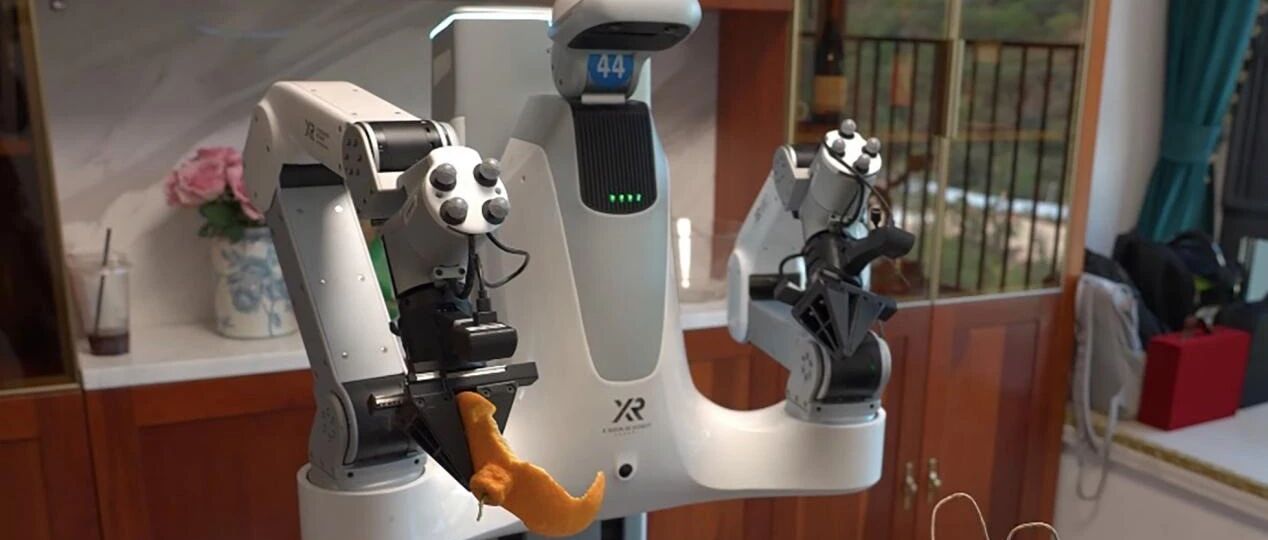
Core Viewpoint - The introduction of the world's first robotic cleaner in a household setting marks a significant milestone for embodied intelligence technology, indicating its transition from experimental phases to practical applications in everyday life [3][7][21]. Group 1: Service Innovation - The collaboration between X Square Robot and 58 Home signifies the first instance of robotic cleaners being deployed in real family environments, aiming to tap into the vast home cleaning market [3][7]. - The service allows for a human-robot collaboration where the cleaner handles communication and complex tasks while the robot assists with basic cleaning duties, showcasing an efficient partnership [5][11]. Group 2: Market Potential - The home cleaning service market is projected to exceed 1.8 trillion yuan by 2025, driven by increasing demand for efficient and reliable services amid demographic changes [18][19]. - The partnership targets the trillion-yuan home service market, addressing the structural labor shortages in the cleaning industry exacerbated by an aging population and reluctance of younger workers to enter traditional cleaning jobs [18][19]. Group 3: User Experience and Trust - The service emphasizes user trust through guarantees such as "full insurance" and "satisfaction guarantee," which help alleviate concerns about privacy and safety when allowing a robot into personal spaces [13][15]. - The seamless booking process via the 58 Home app enhances user experience, making the integration of robotic services into daily life feel more accessible and familiar [11][15]. Group 4: Strategic Positioning - The initiative represents a strategic shift for 58 Home from a labor-matching platform to a technology-driven home service provider, leveraging its extensive user base and operational capabilities [16][18]. - The collaboration aims to iteratively improve robotic capabilities through real-world feedback, establishing a model that can be replicated across various service sectors [15][22]. Group 5: Future Outlook - The ultimate goal of X Square Robot is to integrate robots as reliable members of households, enhancing the efficiency and comfort of family life [23]. - The initial deployment in Shenzhen is expected to expand to more cities, with plans to explore additional applications of robotics in everyday services [22].
腾讯阿里一起投了家具身智能独角兽丨投融周报
投中网· 2026-03-16 07:13
Key Insights - The article highlights the rapid growth and investment activity in the hard technology sector, particularly in embodied intelligence, with companies like Zhijian Power achieving unicorn status through significant funding rounds [4][12] - The health tech sector remains vibrant, with brain-computer interface companies like Gestala setting records for angel round financing [5][34] - The internet sector continues to thrive, with companies like Guanglun Intelligent securing substantial funding through multiple rounds [6][45] Hard Technology Sector - Zhijian Power completed five rounds of financing in less than six months, raising a total of 2 billion RMB, becoming the youngest unicorn in its field [4][12] - Lingchu Intelligent has raised 2 billion RMB across its angel and Pre-A rounds, with backing from major investors including state-owned funds [4][18] - Shunheng Intelligent announced the completion of three rounds of financing focused on dexterous operations in embodied intelligence [21] Health Tech Sector - Gestala, a company specializing in ultrasound brain-computer interfaces, raised 150 million RMB in its angel round, setting a record in China [5][34] - QiongDome Technology successfully completed nearly 100 million RMB in A+ round financing, with participation from notable investors [5][36] - Aike Biological announced over 100 million RMB in A3 round financing, led by prominent investment firms [30][37] Internet Sector - Guanglun Intelligent secured 1 billion RMB in A++ and A+++ rounds, attracting various industry and financial investors [6][45] - Dify, an AI application development platform, completed a 30 million USD Pre-A round led by Sequoia Capital [6][46] - MetaComp, a fintech company, announced a Pre-A+ round financing exceeding several million USD [46] Other Notable Investments - Zero One Automotive raised 1.2 billion RMB in a new financing round, with participation from multiple investment firms [27] - Magic Atom announced a 500 million RMB A round financing, part of a larger ecosystem fund [17] - Aikemai Medical completed over 100 million RMB in Pre-B round financing, with significant backing from industry investors [37]

申万宏源策略十五五规划解读:新增新型基础设施建设+新产业赛道十五五将带来哪些投资机会
Shenwan Hongyuan Securities· 2026-03-15 10:24
Core Insights - The "14th Five-Year Plan" framework remains largely intact, with a focus on five key areas: economic development, innovation-driven growth, social welfare, security, and green low-carbon initiatives. The details have been optimized to address current development challenges and social needs [1][2] - The new plan introduces a clearer policy direction, emphasizing the dual control of carbon emissions and energy structure transformation, shifting from energy consumption control to direct carbon emission management [3][2] - The plan expands the number of specialized columns from 20 to 23, focusing on strategic tasks and core capability enhancement rather than just project implementation [1][2] Investment Opportunities - New infrastructure construction focuses on five areas: integrated computing networks, satellite internet, information communication networks, data infrastructure, and low-altitude infrastructure. Key requirements include building a new generation of supercomputing facilities and enhancing satellite internet applications [1][2][10] - The new industry and new track development section identifies ten key areas for technological breakthroughs, including integrated circuits, embodied intelligence, biomanufacturing, new batteries, commercial aerospace, domestic large aircraft, low-altitude equipment, green hydrogen, brain-computer interfaces, and high-end medical devices [1][2][6] Traditional Infrastructure - The traditional infrastructure section retains its focus on transportation, energy, and water networks, with specific policy adjustments such as the renaming of the transportation section to "National Comprehensive Transportation Network Construction" and the energy section to "New Energy System" [1][2][7] Economic Reforms - The plan introduces multiple reforms in the socialist market economy, private economy, state-owned enterprises, and finance, aiming to enhance market vitality and innovation. This includes a focus on market-oriented pricing mechanisms and support for private enterprises to lead major technological breakthroughs [2][3]
招商证券:十五五规划纲要印发 可能带来哪些投资机会?
Xin Lang Cai Jing· 2026-03-15 06:47
Core Insights - The article focuses on the incremental information from the 15th Five-Year Plan, highlighting four key areas for investment opportunities [2][4]. Group 1: Incremental Information from the 15th Five-Year Plan - The length of the 15th Five-Year Plan has decreased slightly, with a significant increase in the frequency of technology-related terms, particularly a rise of 31 mentions for "technology" [9]. - Key changes in major goals include a shift from "reducing energy consumption per unit of GDP" to "increasing the proportion of non-fossil energy in total energy consumption." The target for reducing carbon dioxide emissions per unit of GDP is set at 17%, down from 18% in the previous plan [9]. - The order of indicators related to livelihood has changed, with the urban unemployment rate now prioritized over the growth of per capita disposable income. A new indicator for the number of registered nurses per thousand people has also been introduced [9]. Group 2: Changes in Major Projects - There is a significant increase in the number and proportion of major engineering projects related to new productive forces, including ten new sectors such as integrated circuits and bio-manufacturing [10]. - New areas of focus in cutting-edge technology include controlled nuclear fusion and deep space exploration, while clinical medicine has been redefined to emphasize major disease prevention and innovative drug development [10]. - Infrastructure projects now include new types of infrastructure, such as a national integrated computing network and satellite internet, with a separate focus on clean coal consumption and zero-carbon initiatives [10]. Group 3: Market Trends Post-Plan Release - Historical analysis shows a high probability of market increases following the release of the Five-Year Plan, particularly favoring small-cap stocks. The average returns of the CSI 1000 index have outperformed the CSI 300 index in the weeks following the plan's release [11]. - Industries that tend to perform well post-release include construction materials and social services, with coal and construction materials showing high probabilities of price increases [11]. - Sectors highlighted in previous plans, such as technology and industrial transformation, have historically yielded significant excess returns [11]. Group 4: Future Investment Focus Areas - Recommended areas for future investment include deep space exploration, computing power, and sectors addressing structural contradictions in industries like steel, petrochemicals, and shipbuilding [12]. - New infrastructure related to computing power, low-altitude economy, and satellite technology is also suggested for attention [12].