
饭光光电饭煲

Search documents
松下变革之年 中国事业仍是全球业务增长引擎
Jing Ji Guan Cha Wang· 2026-03-20 14:49
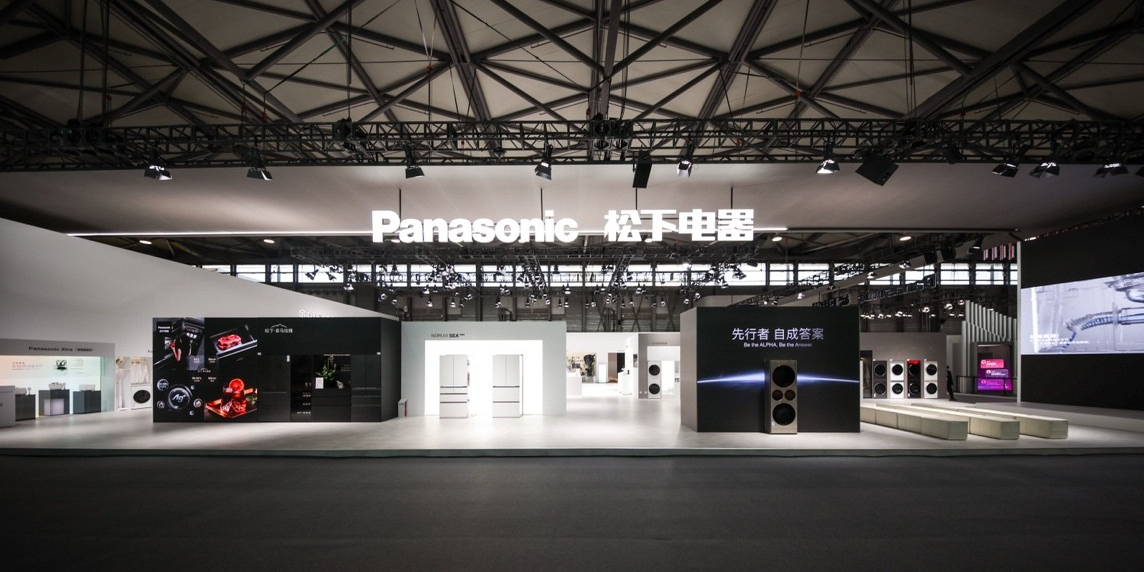
作者 沈建缘 沈建缘/文 日前,在中国家电及消费电子博览会(AWE2026)期间,松下发布了集团新体制下的松下电器株式会社中国东北亚事业战略及松下家电中国事业战略。松 下集团将于2026年4月正式启动新事业体制。松下集团三大业务中,解决方案领域作为成长引擎,聚焦于具备全球竞争力的解决方案事业,创造集团协同效 应;元器件领域则为高增长收益;智能生活领域作为具备全球增长潜力的事业,代表集团引领松下品牌。原组织架构中,松下电器株式会社旗下生活电器公 司、中国东北亚公司,与松下娱乐·互动株式会社共同组建成新的"松下电器株式会社"。 原中国东北亚公司(CNA)完成使命,正迈向第二阶段的中国东北亚事业(CNAB),在设有大家电、小家电、AVC产品轴业务部门及全球市场营销部门的 架构下,中国东北亚事业隶属于新松下电器株式会社,是其组织结构下唯一以区域为轴、具备跨业务统筹职能的组织,承担引领全球增长的目标。在新事业 体制下,围绕中国市场创新的"产研销"商业闭环从"在中国,为中国"向"在中国,为全球"升级。 松下电器株式会社中国东北亚事业副总裁、智慧生活事业部事业部长林一斌表示:"当前中国家电市场需求持续下降、存量市场内卷不断 ...


组织结构变革开启,松下在华事业在“不变”中“变化”
Sou Hu Wang· 2026-03-18 06:38
Core Insights - Panasonic Group is undergoing a significant organizational restructuring aimed at enhancing long-term growth and profitability, with a clear focus on the Chinese market as a vital strategic area [1][2][3] Organizational Changes - The restructuring will involve the dissolution of Panasonic Electric Company into three independent business entities, including a new Panasonic Electric Company focused on home appliances and smart living [2][3] - The new structure will officially launch in April 2026, with expected revenue improvements of over 150 billion yen by 2026 and an additional 150 billion yen by 2028, totaling over 300 billion yen [3] Strategic Importance of China - China is identified as a crucial strategic market for Panasonic, contributing nearly 100 billion RMB (approximately 24% of the group's total business) and about 30% of the group's profits [5][6] - Panasonic has generated over 15 billion RMB (30 billion yen) in operating cash flow in China from 2019 to 2024, showcasing the market's significance [6] Talent Localization and Development - The proportion of local executives in Panasonic Electric China Northeast Asia Company has increased from 38% to 64% between 2019 and 2024, reflecting a commitment to local talent development [7] - Panasonic employs over 40,000 staff in China, including 10,000 in R&D, with a significant focus on software development [7] Mission Upgrade - The mission of Panasonic Electric China Northeast Asia has evolved from "China for China" to "China for Global," emphasizing the company's intent to leverage its competitive advantages in the global market [8][12] - The company aims to provide comprehensive solutions rather than just hardware, aligning with sustainable development goals [4][12] Investment and Growth - Panasonic is making substantial investments in China, including a recent 7.5 billion yen investment in a new production line for multilayer substrate materials to meet AI server demand [13] - The company has launched multiple new investment projects in China, focusing on AI and smart living solutions, with a total investment exceeding 1.5 billion RMB [13][14] Alignment with Economic Development - Panasonic's organizational adjustments align with China's push for high-quality economic development, positioning the company as a key player in innovation and model exportation [18]
松下发布中国事业新战略:明星单品、套系家电加码,强调“Made by China”出海丨最前线
3 6 Ke· 2026-03-16 07:13
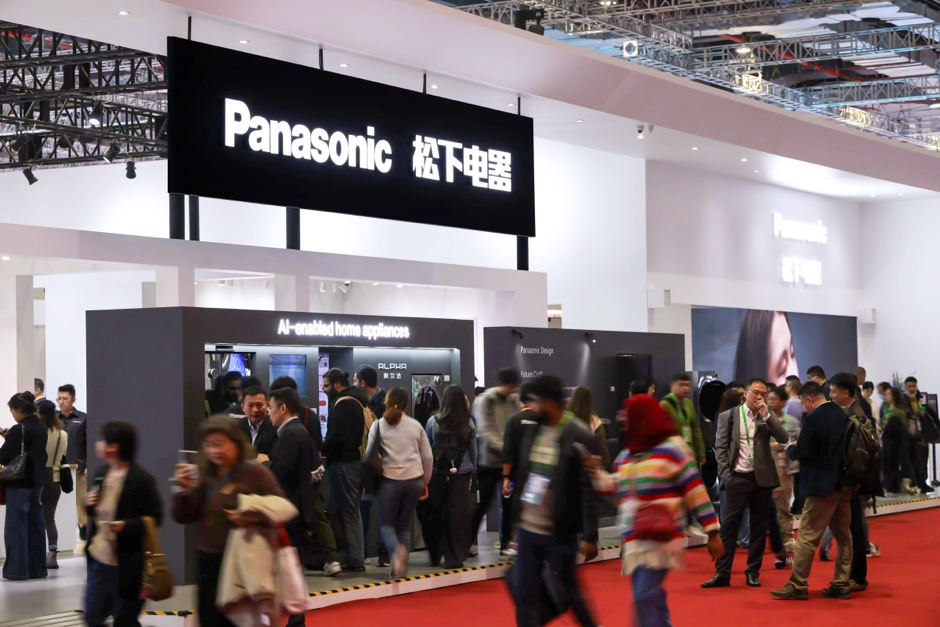
Core Insights - The recent AWE in Shanghai highlighted the challenges and strategies of the home appliance market in China, with Panasonic unveiling its new strategic direction for its Chinese operations [1][3]. Group 1: Market Characteristics - The current characteristics of the Chinese home appliance market include a continuous decline in demand and increasing competition within the existing market, leading to challenges in overall industry growth [3]. - Consumer demand is exhibiting a K-shaped differentiation, indicating varied recovery and growth patterns among different segments [3]. Group 2: Strategic Initiatives - Panasonic's Chinese operations will focus on three main strategies: 1. Continuously launching popular star products, such as the world's first four-tub heat pump washing and drying machine ALPHA G5 and the rice cooker "Fan Guang Guang," while enhancing "living space" solutions based on user experience [4]. 2. Strengthening the "one set of living space" comprehensive solution by launching flagship products like the Himalaya series and upgrading existing product lines by 2026 [4]. 3. Building an open commercial ecosystem to foster deep collaboration and synergy across the entire industry chain [4]. Group 3: Organizational Changes - Panasonic Group will initiate a new business structure in April 2026, transitioning from the China Northeast Asia Company (CNA) to the China Northeast Asia Business (CNAB), which will have a cross-business coordination function [5]. - The CNAB will focus on sustainable development, aiming to provide solutions that balance health and environmental contributions, aligning with the company's Wellness Smart health initiative [5]. Group 4: Global Expansion - Panasonic plans to expand its "Made by China" initiative, promoting innovative products originating from China to the global market, thereby accelerating its global business expansion [6].
松下参展AWE发布中国事业战略,迈向“在中国,为全球”
Sou Hu Cai Jing· 2026-03-12 18:08
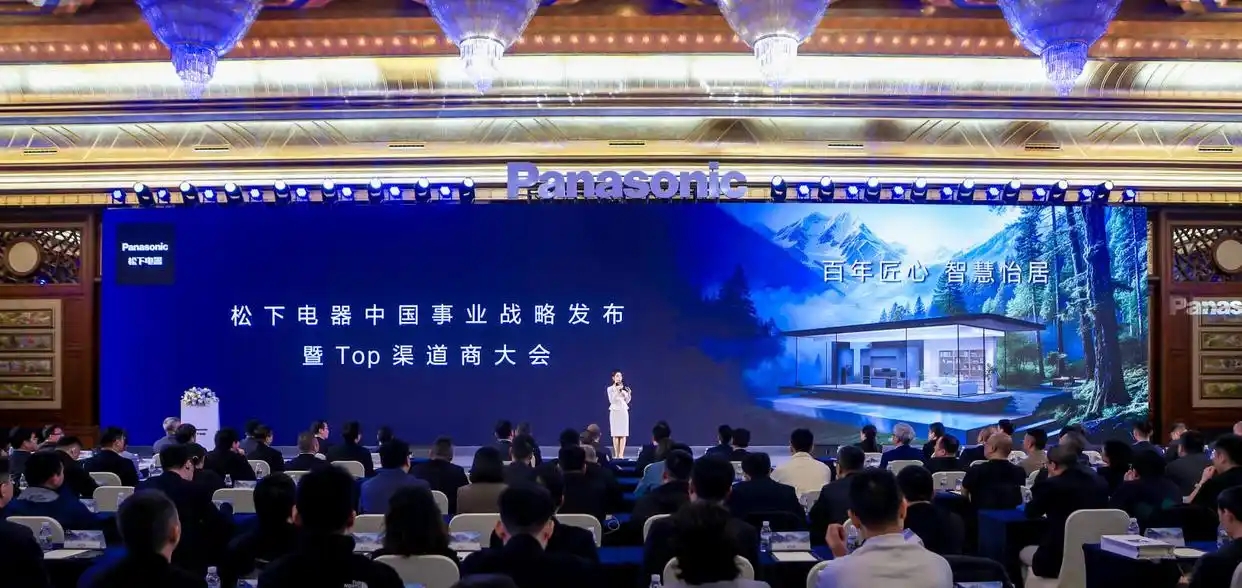
Core Viewpoint - Panasonic is launching a new business structure in April 2026, transitioning from a focus on "In China, for China" to "In China, for the World," emphasizing its commitment to global growth from a Chinese base [2][3]. Group 1: New Business Structure - The new Panasonic Electric Company will oversee the smart living sector, aiming to enhance brand value while achieving revenue growth and contributing to society [2]. - The transition involves moving from the China Northeast Asia Company (CNA) to the China Northeast Asia Business (CNAB), which will have a unique organizational structure focused on cross-business coordination [2][3]. Group 2: Strategic Focus Areas - Panasonic's mid-term plan concentrates on three key areas: solutions, components, and smart living [2]. - The company aims to leverage local insights and innovations to create high-value products that meet diverse consumer needs, such as the Himalaya refrigerator and ALPHA washing machine [3]. Group 3: Market Challenges and Opportunities - The Chinese home appliance market is experiencing a decline in demand and increasing competition, yet it remains a core hub for the global industry [6]. - Panasonic emphasizes a "coexistence and win-win" business philosophy to navigate market challenges and enhance customer satisfaction through innovative products [7]. Group 4: Product and Market Strategy - Panasonic will focus on deepening its product offerings, particularly in the "living space appliances" category, with flagship products like the ALPHA G5 washing machine and the Himalaya rice cooker [8]. - The company plans to implement an open business ecosystem to address real user pain points and explore new value in the home appliance sector [8]. Group 5: Performance and Future Outlook - In a challenging market, Panasonic achieved a 106% year-on-year growth in direct sales of certain product categories, increasing market share by over 30% [10]. - The company will continue to prioritize high-margin products and maintain a stable pricing strategy to ensure long-term profitability and channel confidence [10].
松下AWE发布中国事业战略,迈向“在中国,为全球”
Feng Huang Wang· 2026-03-12 14:05
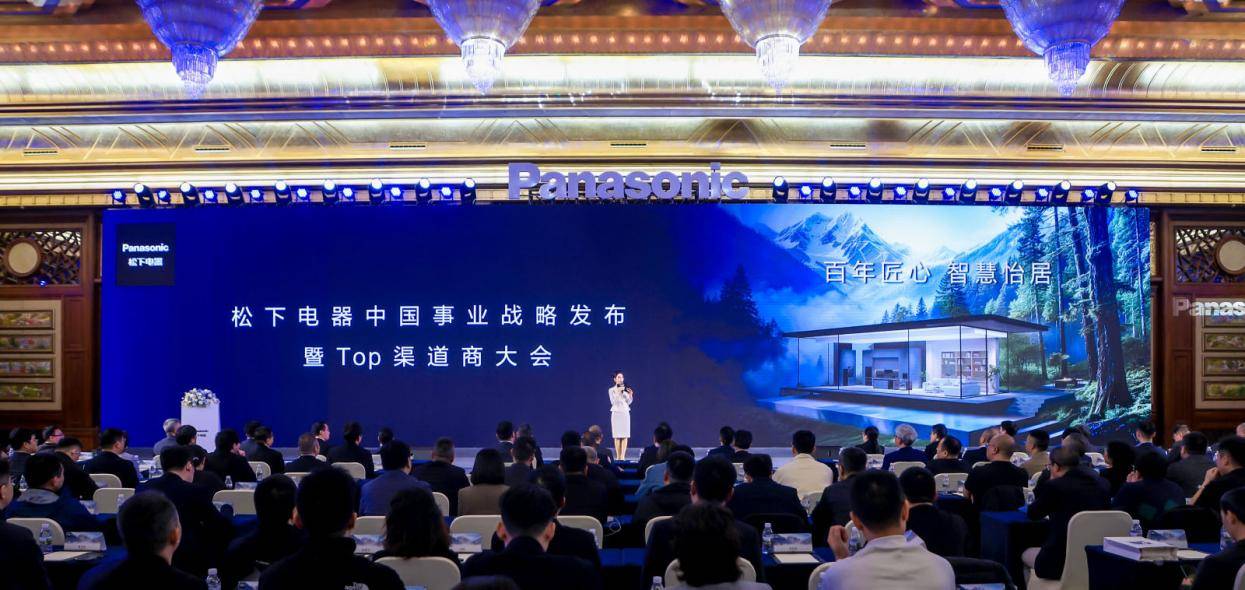
Core Insights - Panasonic is transitioning its business strategy in China from "in China, for China" to "in China, for the world" with the establishment of the China Northeast Asia Business (CNAB) set to launch in April 2026 [1] - The company aims to leverage its advantages in cost, model, and speed developed in the Chinese market to create globally standardized products and enhance its global presence [1] Group 1: Business Strategy - Panasonic will focus on three key areas: solutions, components, and smart living, with a particular emphasis on smart living under the new Panasonic Electric Co., Ltd [1] - The company plans to reform its kitchen small appliance business and strengthen collaboration between Chinese R&D and global supply chains [1] Group 2: Financial Performance - From 2019 to 2024, Panasonic's China Northeast Asia company is expected to generate over 15 billion RMB in operating cash flow, demonstrating robust growth driven by localization reforms [2] - In 2025, despite a competitive pricing environment, Panasonic's direct sales categories saw a 106% year-on-year increase, with market share rising over 30% and profit quality improving [2] Group 3: Product and Market Strategy - Panasonic's "coexistence and win-win" strategy addresses the current challenges in the home appliance market, focusing on a three-way win for customers, channels, and the company [2] - The company is committed to deepening single product development, launching flagship products like the ALPHA washing machine and the Rice Light rice cooker, and enhancing its home appliance solutions [2]

松下参展2026AWE,擘画中国东北亚事业蓝图,践行三方共存共赢
Sou Hu Wang· 2026-03-12 13:47
Core Viewpoint - Panasonic is launching a new business structure in April 2026, transitioning from a focus on "In China, for China" to "In China, for the World," emphasizing its commitment to global growth from a Chinese base [2][11]. Group 1: New Business Structure - The new structure will see Panasonic's Northeast Asia operations evolve from the China Northeast Asia Company (CNA) to the China Northeast Asia Business (CNAB), which will have a cross-business coordination function [2][3]. - The mid-term plan focuses on three key areas: solutions, components, and smart living, with a strong emphasis on enhancing brand value and customer proximity [2][3]. Group 2: Financial Performance - From 2019 to 2024, CNA is expected to generate over 15 billion RMB (300 billion JPY) in operating cash flow, attributed to product specialization, market engagement, and talent [3]. - In 2025, despite a challenging market, Panasonic's direct sales in certain categories grew by 106%, with market share in those categories increasing by over 30% [10]. Group 3: Strategic Initiatives - Panasonic aims to provide "space value" and promote sustainable development through its Wellness Smart (WS) initiative, focusing on health and environmental contributions [3][4]. - The "Made by China" initiative will expand, pushing innovative products developed in China to global markets, leveraging the diverse needs of China's 1.4 billion population [4][11]. Group 4: Market Challenges and Responses - The Chinese home appliance market is experiencing a decline in demand and increased competition, with local brands expanding internationally and channel efficiency improving [5][6]. - Panasonic's "coexistence and win-win" philosophy emphasizes collaboration with stakeholders to navigate market challenges and achieve sustainable growth [6][11]. Group 5: Future Strategies - Panasonic will focus on deepening its product offerings, particularly in the "living space appliances" category, with new flagship products set to launch [8]. - The company plans to implement a comprehensive open business ecosystem, enhancing collaboration across the supply chain to address consumer pain points and unlock new value in the appliance industry [8][10].
