马术课程

Search documents
【烟火故事】余舟、凌杰:作为一名老“养马人”,我想在马年谈谈“马性”
Xin Lang Cai Jing· 2026-02-19 01:27
Core Insights - The article discusses the transformation of horses from essential production animals to emotional and cultural consumer goods in modern society, highlighting their roles in competitive sports, leisure education, and cultural displays [2][3]. Industry Overview - Horse riding has become increasingly popular in China, yet it remains a niche hobby due to historical perceptions and limited government support [3][5]. - The equestrian industry faces challenges such as a shortage of top-tier professionals and the need to balance passion with operational pressures [3][5]. Public Perception - There are misconceptions about equestrian sports being exclusive to the wealthy, which stems from early marketing strategies that emphasized its aristocratic roots [3][5]. - The cost of riding lessons has become more accessible, comparable to other activities like ballet or piano lessons, promoting a more inclusive image of the sport [5]. Safety and Training - Safety concerns are prevalent, but the risks associated with regulated equestrian training are lower than many common sports, such as skiing [5]. - The role of trainers is crucial, as they not only teach riders but also ensure the well-being and training of the horses [6][10]. Horse Welfare - Horse welfare is a significant aspect of equestrian operations, with facilities now offering retirement homes for retired horses, reflecting a shift in industry standards [15]. - Common health issues in horses include gastrointestinal problems and injuries, necessitating regular veterinary checks and monitoring [13][15]. Emotional Connection - Horses are described as sensitive individuals with their own emotions and stories, emphasizing the importance of the human-horse partnership in equestrian sports [16][17]. - The collaborative nature of horse riding fosters valuable life lessons for young riders, such as resilience and trust [20].

马术“卷”进中考赛道
3 6 Ke· 2025-05-29 12:02
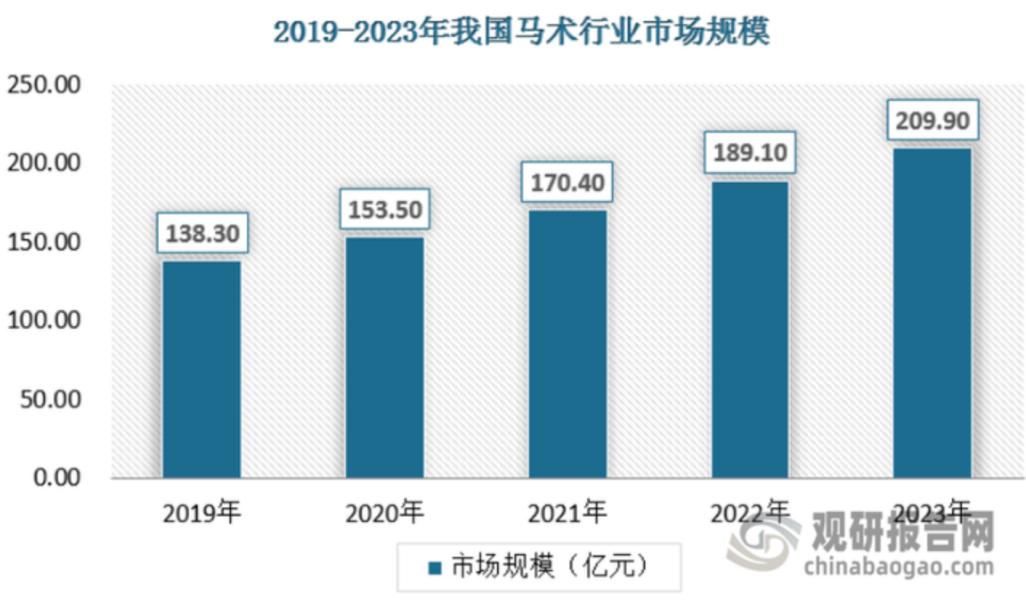
Core Viewpoint - The introduction of equestrian and golf as new special admission programs for high school students in Hangzhou reflects a growing trend towards integrating niche sports into the educational system, highlighting the increasing importance of diverse extracurricular activities in college admissions [1][21]. Group 1: Equestrian as a Niche Sport - Equestrian sports, often considered a "niche aristocratic sport," have gained visibility with the inclusion of equestrian as a special admission category in high schools [2][14]. - The cost of participating in equestrian sports is significant, with basic equipment exceeding 10,000 yuan and competition horses starting at 500,000 yuan, making it financially challenging for average families [2][8][10]. - The market size of the equestrian industry in China reached 20.99 billion yuan in 2023, with over 2,456 equestrian clubs and more than 670,000 members [3]. Group 2: Educational Pathways and Opportunities - Many students with equestrian skills have successfully entered prestigious universities through high-level sports teams, indicating a pathway for academic advancement [2][21]. - The 2025 admissions guidelines for sports training programs allow for reduced academic score requirements for students with certain athletic qualifications, including equestrian [25][21]. - Equestrian training is increasingly seen as a means to enhance a child's competitive profile for college applications, particularly in international contexts [19][20]. Group 3: Economic Implications and Demographics - The primary demographic for equestrian training consists of children from middle to upper-class families, particularly those attending international schools or planning to study abroad [11][19]. - The financial commitment for equestrian training can exceed 1 million yuan annually when considering horse purchase, maintenance, and training costs [8][10][12]. - The trend of integrating niche sports into educational systems is part of a broader movement towards diversifying high school admissions criteria, aiming to reduce the emphasis on standardized test scores [28][29].