
马术运动

Search documents
马年春节来话马
Xin Lang Cai Jing· 2026-02-23 02:13
Core Viewpoint - The article emphasizes the historical significance of horses beyond mere transportation, highlighting their impact on dynastic changes and their integration into various aspects of human civilization, including sports and cultural exchanges [1]. Group 1: Historical Impact - Horses have profoundly influenced the rise and fall of dynasties throughout history, serving as a crucial factor in national strength and destiny [1]. - The role of horses in the cold weapon era illustrates their importance in shaping historical events and societal structures [1]. Group 2: Cultural Integration - Horses are deeply embedded in human sports, leisure activities, and cultural exchanges, showcasing their lasting influence on civilization [1]. - Contemporary equestrian sports such as polo, horse racing, and equestrianism serve as evidence of the enduring legacy of horses in human culture [1].
一匹马的生命史诗与精神象征
Ke Ji Ri Bao· 2026-02-20 02:08
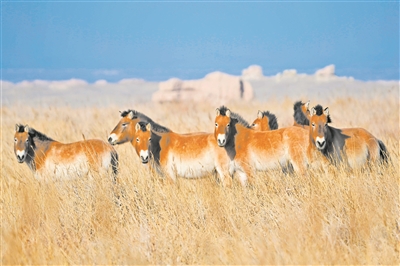
Core Insights - The article highlights the historical and cultural significance of horses, particularly in Chinese culture, as symbols of perseverance and strength, especially with the upcoming Year of the Horse in 2026 [2][9] Evolution of Horses - Horses have a rich evolutionary history, starting from approximately 56 million years ago with early ancestors resembling small dogs, evolving through various stages to become the modern horse [3] - Key evolutionary milestones include the transition from small forest-dwelling creatures to larger grassland animals, with significant changes occurring around 4 million years ago when the modern horse emerged [3] Current Status of Horse Species - The current horse family consists of only one genus, with nine species, including the Przewalski's horse, which is the only remaining wild horse species and is classified as a national first-class protected animal in China [4] - As of the end of 2024, the population of Przewalski's horse in China has exceeded 900 individuals, representing one-third of the global population, showcasing successful conservation efforts [4] Biological Characteristics - Horses possess unique biological traits, such as the largest eyes among land mammals, with a diameter of 5 cm and a nearly panoramic field of vision, although they are colorblind [5] - Their teeth grow continuously throughout their lives, and they can stand while sleeping lightly, allowing for quick escape from danger [5] Historical Relationship with Humans - The domestication of horses began thousands of years ago, with evidence suggesting that horses were domesticated in the Eurasian steppes around 5,600 to 5,500 years ago [7] - Horses played a crucial role in agriculture, transportation, and military endeavors throughout history, serving as a core productivity force in ancient societies [7] Modern Value of Horses - In contemporary society, the practical utility of horses has diminished, but they have gained new value in sports, therapy, and transportation in remote areas [8] - The evolution of horse value reflects human civilization's progress and the harmonious coexistence between humans and nature [8] Cultural Symbolism - In Chinese culture, horses symbolize strength and progress, often associated with phrases that denote success and ambition [9] - The horse has been a recurring theme in literature and art, representing freedom and resilience, as seen in various historical and artistic references [9]

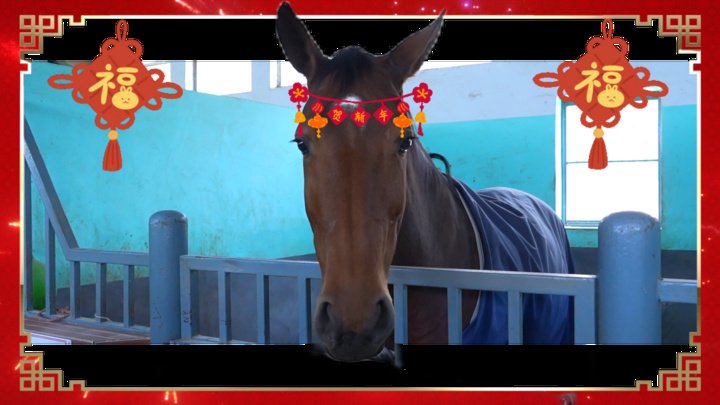
新春马场“骑士”多,“马上”过年挺红火
Xin Lang Cai Jing· 2026-02-15 14:48
Core Insights - The article highlights the growing popularity of equestrian sports in China, transitioning from a niche "noble" activity to a mainstream pursuit, especially among the youth [7] Group 1: Equestrian Sports Overview - Equestrian sports have historical roots in human labor and military practices, dating back to ancient China and Greece, with significant milestones such as the inclusion of equestrian events in the Olympics [4] - The unique aspect of equestrian sports lies in the bond between horse and rider, where trust and communication are essential for success [6] Group 2: Training and Participation - Training in equestrian sports requires dedication, with beginners typically needing around 50 lessons to achieve proficiency [9] - The sport is increasingly recognized for its benefits, including improved physical coordination, focus, and a sense of responsibility among participants [9] Group 3: Cultural Significance - The article emphasizes the cultural significance of horses in Chinese history, symbolizing strength and loyalty, and how this legacy continues to influence modern equestrian practices [1][6] - The narrative connects the past with the present, illustrating how equestrian sports serve as a bridge between tradition and contemporary lifestyle [1]
广州:积极发展电子竞技、低空运动、新能源赛车等新兴潮流运动业态
news flash· 2025-07-23 09:35
Core Viewpoint - The Guangzhou Municipal Government has issued the "Guangzhou Sports Strong City Construction Plan (2024-2035)", emphasizing the integration of sports development and the sports industry [1] Group 1: Sports Industry Development - The plan aims to promote a high degree of integration between sports undertakings and the sports industry, enhancing the operational capabilities of sports through market-oriented and industrialized approaches [1] - It proposes the establishment of a feedback mechanism for commercial sports resources to support public fitness, youth sports, and competitive sports, balancing social and economic benefits dynamically [1] Group 2: Emerging Sports and Economic Growth - The plan encourages the development of emerging sports sectors such as e-sports, ice and snow sports, equestrian sports, water sports, low-altitude sports, and new energy racing [1] - It aims to create consumption scenarios that integrate "sports + commerce + tourism + culture + entertainment + exhibitions", and to establish several thematic and demonstrative sports industry functional zones to enhance sports consumption and event economy [1]