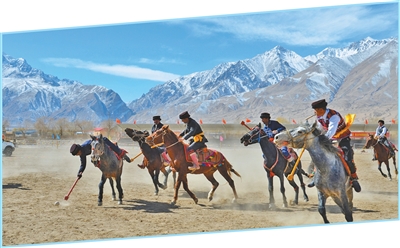
马球

Search documents
马年春节来话马
Xin Lang Cai Jing· 2026-02-23 02:13
Core Viewpoint - The article emphasizes the historical significance of horses beyond mere transportation, highlighting their impact on dynastic changes and their integration into various aspects of human civilization, including sports and cultural exchanges [1]. Group 1: Historical Impact - Horses have profoundly influenced the rise and fall of dynasties throughout history, serving as a crucial factor in national strength and destiny [1]. - The role of horses in the cold weapon era illustrates their importance in shaping historical events and societal structures [1]. Group 2: Cultural Integration - Horses are deeply embedded in human sports, leisure activities, and cultural exchanges, showcasing their lasting influence on civilization [1]. - Contemporary equestrian sports such as polo, horse racing, and equestrianism serve as evidence of the enduring legacy of horses in human culture [1].
这些马上运动,让人热血沸腾!
Xin Lang Cai Jing· 2026-02-20 01:05
Core Viewpoint - The article highlights the resurgence and cultural significance of traditional equestrian sports in China, showcasing various events and their historical roots, while emphasizing the integration of modern training and education in these activities [15][20][22]. Group 1: Equestrian Sports Overview - Equestrian sports, including polo, horse racing, and mounted archery, have deep historical roots in China, with polo dating back to the Han dynasty and horse racing being a long-standing tradition among nomadic cultures [15][18][22]. - The article discusses the increasing popularity of these sports among youth, with events being organized regularly across various regions, such as Xinjiang and Inner Mongolia, fostering community engagement and cultural exchange [16][19][20]. Group 2: Polo - Polo is described as a traditional sport among the Tajik ethnic group in Xinjiang, with local competitions being held regularly, showcasing the sport's cultural heritage and community involvement [15][16]. - The rules of Tajik polo are similar to football, with teams consisting of 12 players and matches lasting 40 minutes, reflecting the sport's structured nature [15]. Group 3: Horse Racing - Horse racing in Inner Mongolia is characterized by endurance races, with distances varying based on the age of the horses, highlighting the skill and training involved in preparing both horse and rider [18][19]. - The region hosts over 2,000 horse racing events annually, indicating a vibrant culture surrounding this sport, with increasing participation from youth [19]. Group 4: Modern Equestrian Training - Modern equestrian training is being integrated into educational programs, such as the equestrian management course in Jiangxi, which combines classroom learning with practical training [20][21]. - The program has successfully trained over 200 students, with graduates finding employment in various equestrian clubs across major cities [21]. Group 5: Mounted Archery - Mounted archery is gaining traction in Guangdong, with efforts to promote the sport through events and cultural education, emphasizing its historical significance and modern adaptations [22][23]. - The sport is seen as a blend of physical skill and cultural expression, with initiatives aimed at engaging younger generations in its practice [22]. Group 6: Walking Horse Competitions - Walking horse competitions in Tibet require riders to maintain specific horse postures while racing, showcasing the unique cultural practices of the region [24][25]. - The sport is intertwined with local traditions and daily life, with efforts being made to preserve and promote these activities as part of the region's cultural heritage [25].

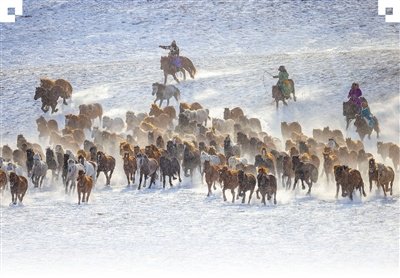
近代中国如何拥抱现代奥林匹克与国际接轨?|新年书摘
Di Yi Cai Jing· 2026-02-15 01:39
Core Argument - The transition of China from an imperial civilization to a nation-state is significantly hindered by traditional sports, which reflect cultural and civilizational characteristics that are at odds with modernity [1][4][5]. Group 1: Traditional Sports and Cultural Identity - Traditional Chinese sports, such as martial arts and Go, embody cultural and civilizational traits that are integral to the construction of "Chineseness" [3][4]. - The concept of "sports" as understood today was introduced from Japan in the late 19th century, highlighting a cultural paradox where traditional activities reflect Chinese identity yet are labeled as inferior in modern contexts [3][4]. - The emphasis in traditional sports is on moral and intellectual development rather than physical prowess, contrasting sharply with Western competitive sports [5][6]. Group 2: Historical Context and Evolution - The evolution of Chinese sports can be divided into three significant phases: the Spring and Autumn period, the Qin and Han dynasties to the Song, and the Ming and Qing dynasties, with key turning points occurring during the Song dynasty and the late 19th century [6][7][8]. - The Song dynasty marked a decline in the emphasis on physicality and sports due to socio-political pressures and the rise of Confucian ideals, leading to a negative perception of physical activities [7][8]. - By the late 19th century, the humiliation of the Opium Wars prompted a national awakening, leading to a renewed interest in sports as a means of national rejuvenation and identity reconstruction [9][10]. Group 3: Internationalization and Modernization - The introduction of modern Olympic ideals to China was facilitated by the YMCA, which played a crucial role in promoting sports and organizing national competitions [15][16]. - The establishment of the first national sports event in 1910 and the subsequent interest in the Olympics marked a significant shift towards international engagement in sports [16][17]. - The success of Chinese students in American sports during their studies abroad exemplified the potential for international competitiveness, contrasting with the domestic perception of weakness [12][13][14]. Group 4: Contemporary Implications - The hosting of the 2008 Summer Olympics and the 2022 Winter Olympics in Beijing reflects China's growing emphasis on sports as a symbol of international integration and national pride [17][18]. - Sports have also played a pivotal role in diplomatic relations, as seen in the "ping-pong diplomacy" of the 1970s, which opened doors for international engagement [18]. - The increasing societal focus on sports is evident in educational contexts, with sports being integrated into national discourse and even high school examinations [17].
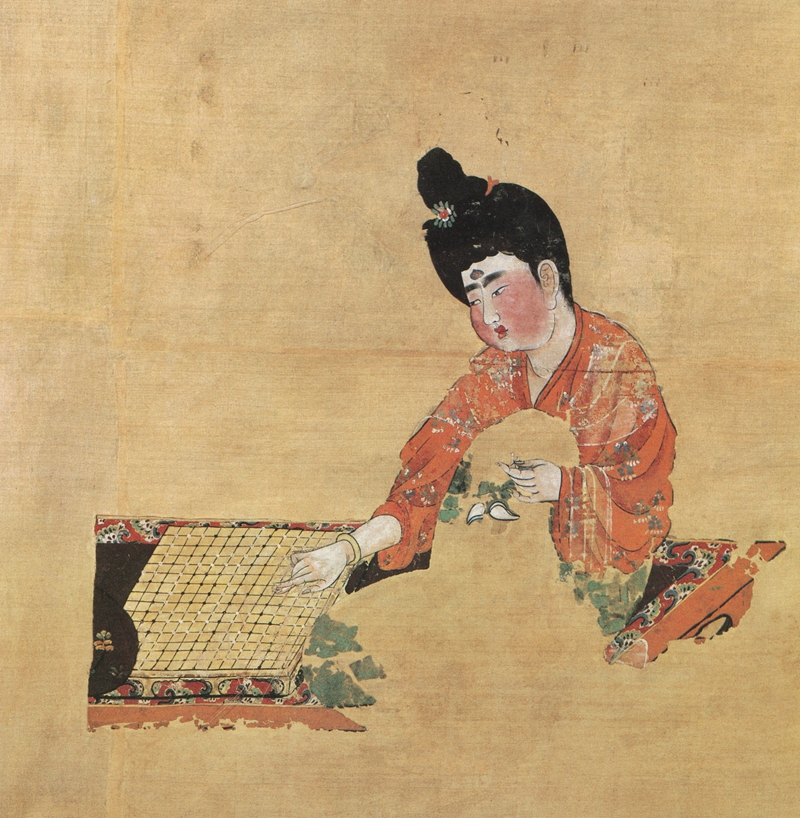
马背上的运动,超燃(聚焦传统体育)
Ren Min Ri Bao· 2025-09-15 22:22
Group 1 - The article highlights the growing popularity and recognition of equestrian sports in China, particularly focusing on speed racing, archery on horseback, and polo as significant cultural and competitive events [2][3][6] - The 2025 China Speed Racing Open marked the first inclusion of Mongolian horses in national speed racing events, showcasing their potential and the evolving nature of equestrian competitions in the country [3][4] - Traditional Mongolian horse racing includes various formats, emphasizing the need for harmony between horse and rider, which is crucial for success in both speed and endurance events [4][6] Group 2 - Archery on horseback combines riding skills with archery, requiring high levels of balance, rhythm, and mental fortitude from participants, as demonstrated by young competitors like Wu Tongyu [6][7] - The article describes a recent polo match in Xinjiang, where local traditions and modern sports converge, emphasizing the cultural significance of polo among the Tajik community [7][8] - The local polo game features unique equipment and rules, reflecting the rich heritage of the Tajik people, and efforts are being made to promote and preserve this traditional sport [8]