
驱蚊水

Search documents
过去一周广东新增2086例基孔肯雅热本地个案
Nan Fang Ri Bao Wang Luo Ban· 2025-10-20 07:58
Core Viewpoint - Guangdong Province reported 2,086 new local cases of Chikungunya fever from October 12 to October 18, 2025, with no severe cases or deaths reported [1] Summary by Categories Case Distribution - The new cases are distributed across various cities: - Jiangmen: 795 cases - Foshan: 241 cases - Shenzhen: 202 cases - Guangzhou: 189 cases - Jieyang: 89 cases - Chaozhou: 81 cases - Shantou: 68 cases - Zhaoqing: 57 cases - Zhuhai: 53 cases - Zhongshan: 52 cases - Dongguan: 41 cases - Yangjiang: 40 cases - Qingyuan: 39 cases - Huizhou: 29 cases - Meizhou: 29 cases - Shaoguan: 27 cases - Zhanjiang: 13 cases - Shanwei: 13 cases - Heyuan: 10 cases - Yunfu: 10 cases - Maoming: 8 cases [1] Expert Commentary - Kang Min, Director of the Infectious Disease Prevention and Control Institute of the Guangdong Provincial Center for Disease Control, noted that the Chikungunya fever epidemic in Jiangmen is showing a fluctuating decline, but the province remains in a period of active mosquito transmission, indicating ongoing risks for epidemic spread [1] Public Health Advisory - The public is advised to take personal protective measures when outdoors, such as wearing light-colored long sleeves and long pants, and applying mosquito repellent to exposed skin to prevent bites. Individuals experiencing symptoms like fever, joint pain, or rash are urged to seek medical attention promptly [1]
深圳新增81例!刚刚通报
Nan Fang Du Shi Bao· 2025-10-05 11:13
Core Insights - Guangdong Province reported a significant outbreak of Chikungunya fever, with 3,181 new local cases from September 28 to October 4, 2025, with no severe cases or deaths reported [1][2] - The outbreak is concentrated in several cities, with the highest number of cases in Jiangmen (2,480 cases) [1] - The provincial health authorities have initiated a Level III public health emergency response to control the outbreak [2] Group 1: Outbreak Details - A total of 3,181 new cases of Chikungunya fever were reported in Guangdong Province during the specified period [1] - The distribution of cases includes Jiangmen (2,480), Foshan (157), Guangzhou (138), and several other cities with varying case numbers [1] - The rapid increase in cases has been initially contained, but the risk of further spread remains high due to increased human mobility during the Mid-Autumn and National Day holidays [2] Group 2: Prevention and Control Measures - The health authorities emphasize the importance of personal protection during the holiday season, advising individuals to avoid high-risk areas and take precautions against mosquito bites [2] - Public health campaigns are encouraging citizens to participate in mosquito control efforts, including eliminating standing water and using mosquito repellent [3] - The "1130" mosquito control initiative promotes daily checks for breeding sites, weekly clean-ups, and quick actions to eliminate standing water [3]


快讯!新增3181例,分布在广东21地市
Nan Fang Du Shi Bao· 2025-10-05 10:50
Core Points - Guangdong Province reported a total of 3,181 new local cases of Chikungunya fever from September 28 to October 4, 2025, with no severe cases or deaths reported [1] - The outbreak is concentrated in Jiangmen with 2,480 cases, followed by Foshan (157), Guangzhou (138), and several other cities [1] - The rapid increase in cases has prompted a Level III public health emergency response in Jiangmen, with ongoing efforts to control the outbreak [2] Summary by Sections Case Statistics - A total of 3,181 new cases of Chikungunya fever were reported in Guangdong Province during the specified period [1] - The distribution of cases includes Jiangmen (2,480), Foshan (157), Guangzhou (138), and other cities with varying case numbers [1] Public Health Response - Jiangmen has initiated a Level III public health emergency response due to the outbreak [2] - The upward trend in cases has been initially contained, but the risk of further spread remains high due to increased mobility during the Mid-Autumn and National Day holidays [2] Prevention Measures - The primary vector for Chikungunya fever, Aedes mosquitoes, breeds in clean water bodies, making water accumulation control essential [3] - Citizens are encouraged to participate in mosquito control efforts, including clearing stagnant water and using mosquito repellent [3] - A "1130" action plan is promoted, which includes checking for stagnant water for one minute daily, conducting a thorough cleaning once a week, and inspecting breeding sites for three minutes each day [3]

广东:新增3153例,分布在19地市
Nan Fang Du Shi Bao· 2025-09-29 01:47
Group 1 - The core point of the news is the outbreak of Chikungunya fever in Guangdong Province, with a total of 3,153 new local cases reported from September 21 to September 27, with no severe cases or deaths reported [1] - The majority of cases are concentrated in Jiangmen with 2,927 cases, followed by Foshan (78), Guangzhou (68), and Shenzhen (22) among others [1] - The Guangdong Provincial Center for Disease Control has initiated a Level III public health emergency response to control the outbreak, which is currently showing a rapid increase but has been initially contained [1] Group 2 - The transmission vector for Chikungunya fever, the Aedes mosquito, prefers to breed in small clean water bodies, making the elimination of standing water crucial for controlling the outbreak [2] - Public health authorities are urging citizens to participate in mosquito control efforts, including cleaning up stagnant water, using mosquito nets, and applying mosquito repellent [2] - The "1130" mosquito control action plan encourages individuals to spend one minute daily clearing water, conduct a weekly thorough cleaning, and check breeding sites for three minutes each day [2]
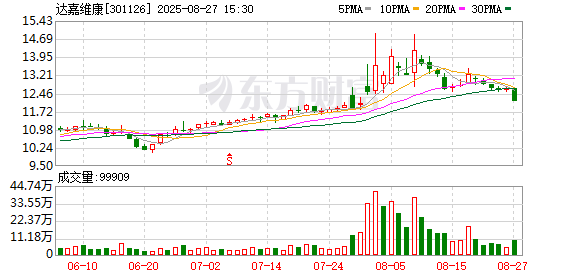
达嘉维康:旗下各零售药店有驱蚊手环等驱蚊类产品的销售
Zheng Quan Ri Bao· 2025-08-27 10:53
Group 1 - The company, Dajia Weikang, has confirmed the sale of mosquito repellent products through its retail pharmacies, including mosquito repellent bracelets, patches, and sprays [2]
广东人的“防疫战争”:与蚊子决一死战
Hu Xiu· 2025-08-12 07:15
Core Viewpoint - The city of Foshan, Guangdong, is engaged in an urgent public health battle against Chikungunya fever, marking an unprecedented level of response since the COVID-19 pandemic [1][2]. Group 1: Disease Overview - Chikungunya fever, transmitted by mosquitoes, has led to severe symptoms such as high fever, rashes, and intense joint pain, with approximately 5.5 million people at risk globally [2]. - Since the first reported case in Foshan on July 8, confirmed cases have surged to over 7,000 by late July, prompting local authorities to declare a serious public health situation [3][45]. Group 2: Government Response - The Foshan government activated a Level III public health emergency response on July 29, initiating widespread testing and preventive measures, including free nucleic acid screenings [3][4]. - A comprehensive public health campaign has been launched, involving community mobilization for mosquito eradication and sanitation efforts across multiple cities in Guangdong [5][46]. Group 3: Community Involvement - The campaign has seen participation from various sectors, including local government officials, community workers, and even school teachers, emphasizing a collective effort to combat the mosquito population [20][21][19]. - Residents are actively involved in cleaning up potential mosquito breeding sites, with community-driven initiatives to eliminate standing water and promote hygiene [22][24]. Group 4: Challenges and Adaptations - The ongoing rainy season complicates efforts, as heavy rainfall can create new breeding grounds for mosquitoes, making it difficult to maintain cleanliness [29][30]. - Reports indicate that all mosquitoes in Guangdong have developed resistance to common insecticides, necessitating increased dosages and alternative strategies for mosquito control [38][39]. Group 5: Innovative Measures - New strategies include the release of sterilized male mosquitoes to reduce the population and the introduction of natural predators like loaches and mosquito-eating fish in local water bodies [43]. - The community is also encouraged to plant mosquito-repelling plants, further diversifying the approach to mosquito control [43]. Group 6: Current Status and Future Outlook - As of August 8, Foshan reported a decline in daily new cases, with numbers dropping below 200 for five consecutive days, indicating some success in the ongoing battle [44]. - However, local officials warn that the situation remains serious due to environmental factors, and continued vigilance is necessary to prevent further outbreaks [45].
与蚊子缠斗的北方居民
Hu Xiu· 2025-08-12 03:27
Group 1 - The article highlights a significant increase in mosquito populations in Beijing this summer, attributed to the subtropical high pressure causing humid and hot weather, along with continuous rainfall, creating ideal breeding conditions for mosquitoes [10][13][30] - Residents, including parents and vendors, express their frustrations and concerns over mosquito bites, leading to various preventive measures such as purchasing electric mosquito swatters and applying mosquito repellent [8][22][49] - The article notes that the mosquito bite index in different districts of Beijing varies significantly, with some areas experiencing higher risks due to environmental conditions and pest control measures [15][16] Group 2 - The article discusses the historical context of mosquitoes as disease carriers, emphasizing their role in spreading diseases like malaria and dengue fever, which have caused significant mortality in the past [40][41][42] - It mentions the recent outbreak of Chikungunya virus in Guangdong, highlighting the ongoing battle against mosquito-borne diseases and the community's proactive measures to combat mosquito populations [44][45] - The article concludes with personal anecdotes from residents detailing their struggles with mosquitoes, illustrating the broader impact on daily life and social activities in Beijing [60][61]
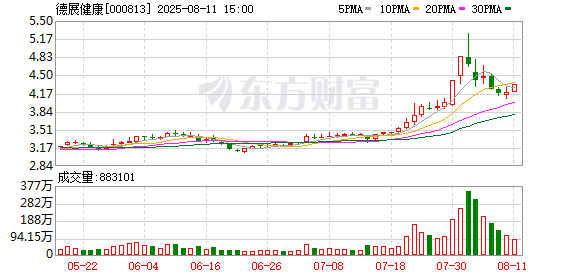
德展健康:未生产或销售驱蚊水、驱蚊喷剂
Zheng Quan Ri Bao· 2025-08-11 08:13
Group 1 - The company, Dezhan Health, stated on August 11 that it currently does not produce or sell mosquito repellent water or sprays [2]

佛山顺德源头治理蚊害出实招 三级联动精准消杀 闲置屋装纱窗防孳生
Nan Fang Ri Bao Wang Luo Ban· 2025-08-04 08:07
Core Viewpoint - The article highlights the proactive measures taken by Shunde District in Foshan City to combat mosquito-borne diseases, particularly through community engagement and innovative source management strategies, resulting in a continuous decline in reported cases of Chikungunya fever. Group 1: Mosquito Control Initiatives - A city-wide mosquito extermination campaign was launched on July 31, employing a "Seven Days, Seven Strategies" approach, which includes various methods such as using mosquito coils, hanging mosquito nets, installing screens, and eliminating stagnant water [1] - The professional extermination team in Lecong Town is conducting comprehensive operations targeting high mosquito breeding areas, including parks and drainage systems, under a "fragmented package" principle [1] Group 2: Community Engagement and Incentives - In Daojiao Village, proactive measures were taken to address the issue of abandoned houses with broken windows, leading to the installation of mosquito screens in 130 idle homes, achieving full physical mosquito prevention coverage [2] - Dazun Village introduced a reward scheme to encourage public participation in mosquito prevention, offering financial incentives for installing screens and distributing anti-mosquito gift packages [2] - Beijiao Town is promoting a community-wide anti-mosquito campaign through both online and offline channels, including the establishment of free "shared mosquito repellent" service points in crowded public areas [2]