高端定制家居产品

Search documents
维意定制三里屯再拓新店,北京市场深耕背后的战略进阶
Bei Jing Shang Bao· 2025-12-28 14:44
Core Insights - The opening of the new store in Sanlitun marks a strategic leap for the company, emphasizing its commitment to high-end market penetration and brand elevation in the context of the accelerating shift towards premium and scenario-based home furnishing solutions [1][3] Group 1: Brand Strategy and Market Positioning - The new store is positioned in a high-end commercial ecosystem, aligning with the company's shift from product-driven to lifestyle-oriented offerings, targeting high-net-worth customers [1][2] - The Sanlitun location serves as a "brand image showcase," integrating AI intelligent design and immersive home experience services to attract young consumers seeking personalized and quality living solutions [1][2] - The company aims to enhance its brand recognition in the high-end customization sector by leveraging the "first-store economy" of Sanlitun, which is a key trend in the home furnishing industry [1] Group 2: Technological Integration and Service Innovation - The new store exemplifies the integration of AI technology with service offerings, allowing for rapid generation of comprehensive home design proposals, improving design efficiency by over 60% [2] - The company has already served over 10,000 households through its AI voice design system and one-stop renovation platform, generating 400 million yuan in consumer spending [2] Group 3: Regional Strategy and Market Penetration - The Sanlitun store represents a strategic advancement from a multi-point layout to deep market penetration in Beijing, which is a core consumption city in North China [3] - The new store will complement existing locations by focusing on high-end clientele and establishing a localized service ecosystem through collaboration with local designers and home decoration companies [3] - The store serves three core functions: acting as a brand image window, enhancing delivery efficiency through local supply chain advantages, and creating a complete service chain through cross-industry alliances and community operations [3]
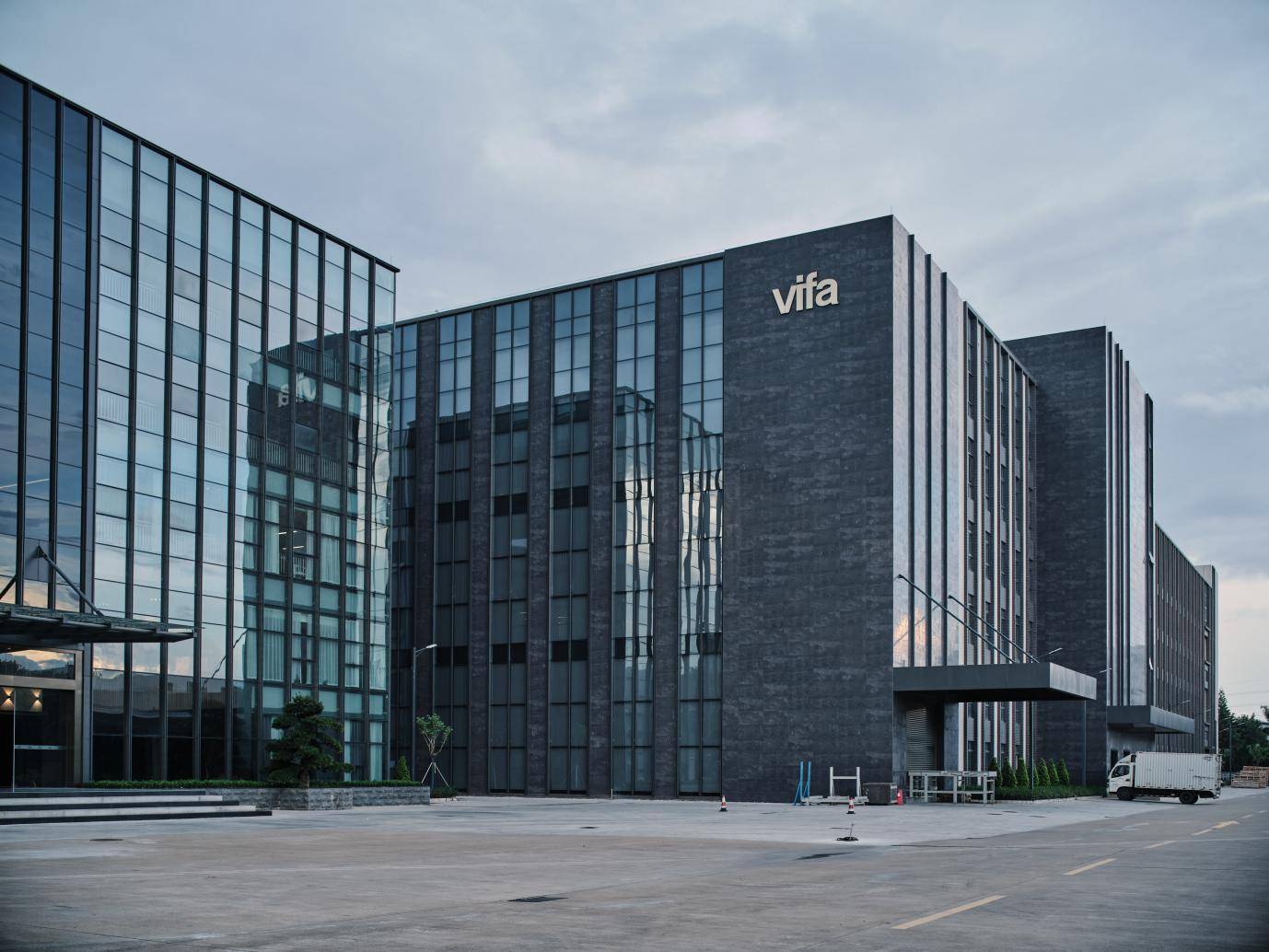
搜狐家居探访威法智造基地:标准化+智能化,破解家居定制难题
Sou Hu Cai Jing· 2025-08-26 23:30
Core Insights - The custom home furnishing industry is facing a dual dilemma of balancing scale and personalization, as well as quality and delivery efficiency, with the Weifa Zhongshan manufacturing base providing a potential solution [1][3][23] - The intelligent transformation of the home furnishing manufacturing industry has shifted from an option to a necessity, yet most companies remain at the initial stage of purchasing smart equipment, with few achieving full-chain digital collaboration [1][3] Industry Overview - The custom home furnishing market in China is projected to exceed 500 billion yuan in 2024, but the average delivery cycle remains at 45 days, with an order punctuality rate below 70% [3][5] - Consumer demand for personalized design is increasing, creating a sharp contradiction with the efficiency bottlenecks of traditional production models [3] Weifa Zhongshan Manufacturing Base - The Weifa Zhongshan manufacturing base features eight flexible intelligent production lines with an annual capacity of 100,000 high-end custom home furnishing products, serving as Weifa's only production base nationwide [5] - The base aims to address three major industry pain points: the difficulty of implementing personalized design, ensuring extreme quality, and achieving stable delivery [5][19] Digital Transformation - The base acts as a "digital nerve center," connecting front-end design, mid-tier supply chain, and back-end services through an IoT system that synchronizes store orders, material inventory, and production progress [7] - A state-of-the-art laboratory, covering 800 square meters and recognized by the China National Accreditation Service for Conformity Assessment (CNAS), serves as a quality control barrier [8][10] Quality Control - The laboratory employs over 20 advanced testing devices and adheres to ISO/IEC 17025 standards, covering key indicators such as formaldehyde and VOC emissions [10][13] - The quality control process includes physical and chemical testing of new materials, a dual inspection system for imported materials, and extreme testing of finished products, achieving a product pass rate of 99.81% [13][19] Efficiency Improvement - Weifa has implemented a full-chain digital system, including a digital middle platform, MES production execution system, WMS intelligent warehousing system, and BI data platform, significantly improving production efficiency [16][18] - The design-to-production error rate has been reduced from an industry average of 3% to below 0.5%, and the order delivery cycle has been compressed from 45 days to 20 days, with punctuality increasing from 65% to 95% [18] Lean Production - Weifa's core competitiveness lies in integrating lean production thinking into its intelligent system, addressing the challenge of balancing front-end personalization with back-end standardization [19] - The establishment of a product system with over 15,000 standard modules meets 85% of customization needs, allowing for efficient production on the back end [19][22] Environmental Sustainability - The base employs an intelligent energy consumption monitoring system and has invested in photovoltaic facilities to cover 40% of its annual electricity consumption [21] - The cutting waste ratio has been reduced from 15% to 8%, and the use of imported paint-free boards has enabled green production alongside efficient manufacturing [21] Conclusion - The practices at Weifa Zhongshan manufacturing base provide key insights for the intelligent transformation of the home furnishing industry, emphasizing user-centric transformation, the importance of standardization for personalization, and the equal significance of upgrading human capabilities alongside equipment [22][23]