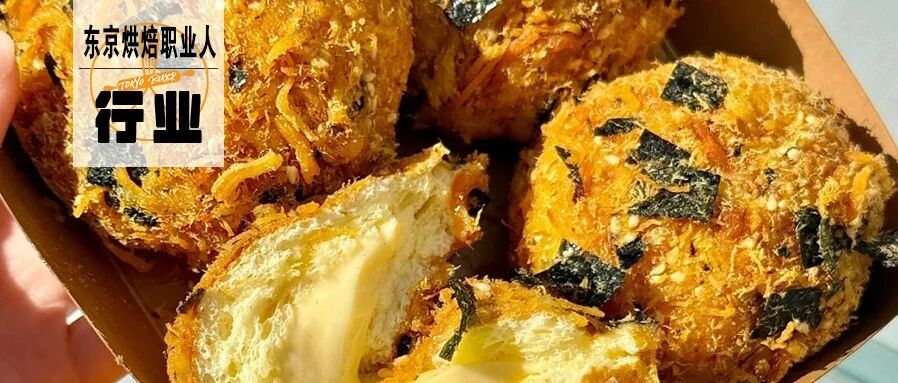
麻薯包

Search documents
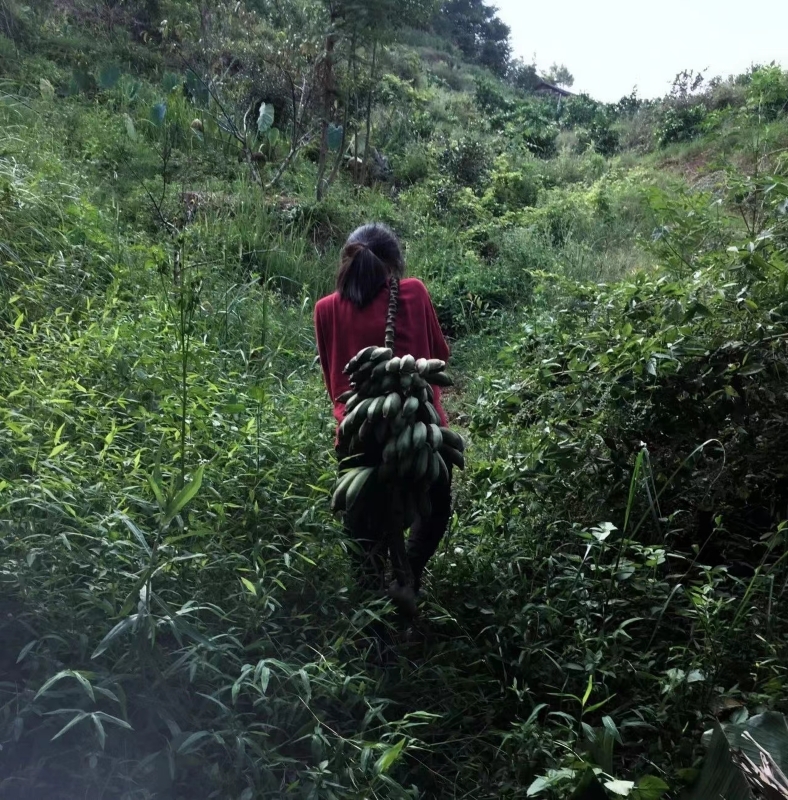
90后夫妻追寻农场梦想,为何7年后回到城市?
Di Yi Cai Jing· 2025-12-26 04:10
Core Perspective - The article discusses the journey of Miao Jie, who left city life to run a chemical-free farm in rural Jiangxi, documenting her experiences in the non-fiction book "After the Rain, the Earth" [2][15]. Group 1: Personal Journey - Miao Jie spent two years writing about her experiences reconnecting with nature and finding her own place after leaving city life [2]. - Initially, she was drawn to rural life to escape urban competition and fatigue, but faced challenges, including marital discord over their daughter's education [2][11]. - The couple's farm, which did not use fertilizers or pesticides, was a significant part of their life for seven years, during which they experienced both joy and hardship [2][4]. Group 2: Farming Experience - The farm was established by her husband, Zhong Min, who aimed to create a diverse and stable ecosystem after leaving a busy city job [5]. - They faced significant challenges, including the outbreak of Huanglongbing disease, which severely affected their orange trees, leading to fluctuating income from the farm [9]. - Despite initial success, with income rising from over 5,000 yuan to more than 70,000 yuan, the farm's income dropped to 50,000 yuan in 2022 due to recurring disease outbreaks [9]. Group 3: Family Dynamics - The couple's differing views on their daughter's education created tension, with Miao Jie wanting a better educational environment outside the farm, while Zhong Min prioritized family education [11]. - The isolation of farm life contributed to their relationship struggles, as they lacked a support system to help navigate conflicts [13]. - Ultimately, Miao Jie left the farm in January 2024 to pursue work in English education, reflecting on the lessons learned from her rural experience [13].

新中式烘焙十年,为什么再没出下一个肉松小贝?
东京烘焙职业人· 2025-09-29 08:33
Core Viewpoint - The article discusses the evolution of the new Chinese baking industry over the past decade, highlighting the challenges in creating new "blockbuster" products like the "Meat Floss Little Cake" that once captivated the market. It emphasizes the need for a shift from short-lived trends to sustainable, long-term products that resonate with consumers' memories and experiences [5][38]. Group 1: Historical Context and Market Dynamics - The "Meat Floss Little Cake," developed by Bao Caisheng in 2004, became a nationwide sensation in 2014, marking a significant moment in the Chinese baking industry [3][4]. - This product represented a fusion of Chinese and Western flavors, breaking traditional boundaries and creating a new taste experience that appealed to consumers [6][11]. - The rapid expansion of bakery stores and the maturation of supply chain logistics in 2015 facilitated the widespread distribution of the "Meat Floss Little Cake," which was easy to standardize and replicate [8][9]. Group 2: Evolution of Product Categories - The new Chinese baking industry has undergone a transformation from "blockbuster" products to "evergreen" and "daily" products over the past decade [14]. - The "blockbuster phase" (2016-2018) was characterized by products that gained popularity through novelty and rapid social media sharing, such as salted egg yolk pastries and mochi [15]. - The "evergreen phase" saw products like egg yolk pastries become stable choices for consumers, focusing on long-term repeat purchases rather than short-term spikes in sales [17][20]. - The "daily phase" post-2020 integrated new Chinese baked goods into everyday consumer life, making them standard offerings in bakeries [22][23]. Group 3: Challenges and Market Saturation - The article notes that the market for new Chinese baked goods has become saturated, with the emergence of numerous similar products leading to intense competition and reduced profit margins [31][32]. - The rise of short video platforms has changed consumer behavior, making it difficult for any single product to achieve the same level of widespread attention as the "Meat Floss Little Cake" did in its heyday [26][29]. - Consumers are experiencing "taste fatigue," as the novelty of new flavors diminishes, leading to higher expectations for unique and memorable taste experiences [35][37]. Group 4: Future Directions - The industry must transition from a focus on one-time blockbusters to creating products that foster long-term consumer loyalty and repeat purchases [38]. - Emphasizing "scene economy" will be crucial, integrating baked goods into everyday life scenarios such as breakfast and celebrations to build consumer attachment [39]. - Establishing a "taste memory" rather than relying solely on trendy symbols will be essential for creating enduring products that resonate with consumers [42]. - A shift from "single product logic" to a "systematic logic" that combines product matrices and brand value is necessary for sustainable growth [44]. - Brands must develop self-sustaining cycles that focus on community engagement and long-term reputation rather than short-term viral marketing [45].