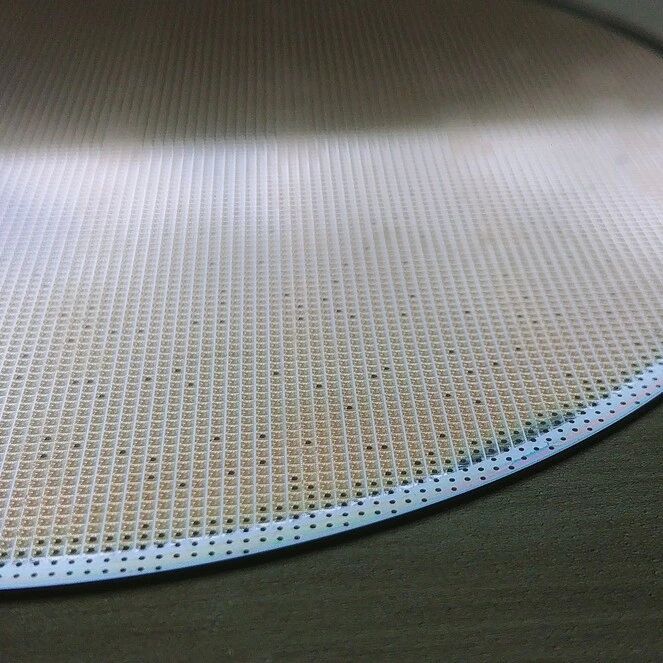
28纳米制程芯片

Search documents
日本搞2nm,比登月还难
半导体行业观察· 2025-12-06 03:06
Core Viewpoint - Rapidus, a newly established semiconductor manufacturer in Japan, aims to challenge TSMC's dominance by producing advanced 2nm chips, a task likened to the Apollo moon landing in terms of difficulty and significance for Japan's technological future [1][2]. Group 1: Rapidus' Ambitions and Challenges - Rapidus was founded only three years ago and seeks to leap directly to the production of 2nm logic chips, a move that raises skepticism due to the complexity and cost of the technology involved [1]. - If successful, this endeavor could significantly alter the trajectory of Japan's technology industry, which currently relies heavily on TSMC for advanced chip manufacturing [1]. - The Japanese government is increasingly aware of the risks associated with relying on Taiwan for critical chip production, prompting a push to rebuild domestic manufacturing capabilities [2]. Group 2: Supply Chain and Talent Issues - Rapidus faces significant challenges, including an insufficient supply chain, as TSMC has built a comprehensive local supply chain over decades, while Japan still needs to integrate a complete ecosystem [2]. - There is a projected shortage of at least 40,000 semiconductor engineers in Japan over the next decade, highlighting a critical talent gap that needs to be addressed [2][3]. Group 3: Building Support and Future Prospects - Gaining public support is crucial for Rapidus, as TSMC is viewed as a national symbol in Taiwan, while Rapidus must establish a clear political and national security narrative to justify substantial public investment [3]. - The article emphasizes that Japan's ability to capitalize on the current technological wave will determine its future in the semiconductor industry, with the potential for significant consequences if it fails to act [3].