
737MAX系列飞机

Search documents
供应链瓶颈制约下全球商用飞机交付量回升,国际航协预测2034年之前供需矛盾难回正轨
Hua Xia Shi Bao· 2026-01-02 07:41
Core Insights - The global commercial aircraft manufacturing industry is experiencing a recovery in delivery volumes, but supply chain issues continue to hinder the resolution of demand-supply conflicts among manufacturers, suppliers, and airlines [2][7] - The International Air Transport Association (IATA) forecasts that demand will exceed the availability of aircraft and engines, with structural imbalances expected to persist until 2031-2034 [2][7] Group 1: Aircraft Deliveries - In 2025, China Commercial Aircraft Corporation (COMAC) delivered 15 C919 aircraft, surpassing the 12 delivered in 2024, despite facing production challenges [3] - COMAC's C909 model saw a decline in deliveries, with approximately 20-23 units delivered in 2025 compared to 35 in 2024 [4] - Boeing delivered 537 commercial aircraft by the end of November 2025, with expectations to reach around 590 for the year, a significant increase from 348 in 2024 [5] - Airbus aimed for 790 deliveries in 2025, down from an initial target of 820, having delivered 657 aircraft by the end of November [5] - Embraer set a target of 77-85 E-series jet deliveries for 2025, needing to deliver at least 31 in the last quarter to meet this goal [6] Group 2: Supply Chain Challenges - The aviation industry is facing significant supply chain bottlenecks, with a delivery gap of over 5,300 aircraft and backorders exceeding 17,000, representing nearly 60% of the active fleet [7][9] - The average age of the global fleet has risen to 15.1 years, with older aircraft being retained longer due to delays in new aircraft deliveries [8] - The production bottlenecks are exacerbated by engine supply issues and a shortage of skilled technicians, leading to delays in aircraft assembly [9] Group 3: Financial Implications - IATA estimates that supply chain bottlenecks will result in over $11 billion in additional costs for the global aviation industry in 2025, including $4.2 billion in extra fuel costs and $3.1 billion in increased maintenance costs [10] - The total net profit for global airlines is projected to be $39.5 billion in 2025, with a slight increase to $41 billion in 2026, indicating a low net profit margin due to various external factors [10]


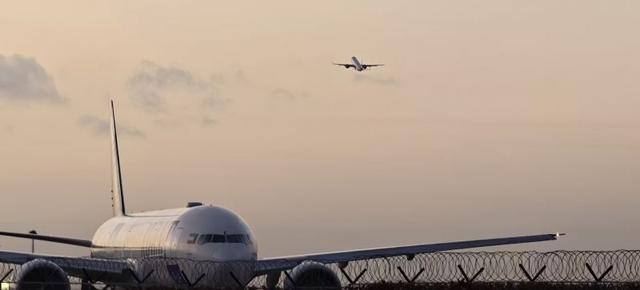
737MAX重启交付大陆航司,波音舟山工厂有望走出闲置状态
Hua Xia Shi Bao· 2025-06-07 09:19
Core Viewpoint - The recent delivery of a Boeing 737 MAX 8 to a Chinese airline marks a significant moment in the recovery of Boeing's operations in China, following the impacts of the US-China trade war and the pandemic [2][3][5]. Group 1: Impact of US-China Trade Relations - The trade war previously led to a dramatic increase in tariffs on US-made aircraft and parts, from around 5% to as high as 145%, discouraging Chinese airlines from purchasing Boeing aircraft [2][3]. - The delivery process for Boeing aircraft has evolved, with planes now being completed in China after initial assembly in the US, reflecting a shift in operational strategy [2][3]. Group 2: Delivery and Production Challenges - Boeing's delivery capacity to Chinese airlines has significantly decreased, with only about 60 new 737 MAX aircraft delivered since 2019, compared to an expected annual delivery of 100 [6]. - The company aims to achieve positive cash flow by increasing the monthly production of the 737 MAX to between 38 and 40 units, as current production is limited by FAA regulations [5][6]. Group 3: Market Dynamics and Customer Retention - Several Chinese airlines have shifted away from Boeing, with some converting their orders to other aircraft models, indicating a potential loss of market share for Boeing in China [6][7]. - Despite challenges, there are indications of a potential recovery, with new aircraft deliveries, including the 737 MAX, expected to resume soon, which could revitalize operations at Boeing's Zhoushan facility [7].