A18Pro芯片

Search documents
MacBook定档3月4日:有史以来最低价
Xin Lang Cai Jing· 2026-02-23 03:11
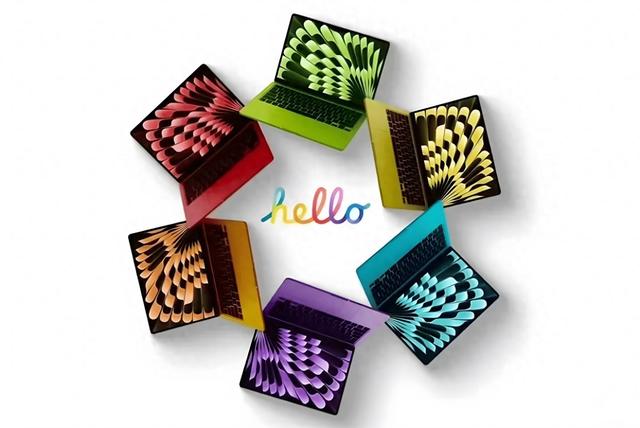
(11381630) 该机型定位入门级市场,对标Chromebook,核心面向学生与轻度办公用户,也是苹果首款搭载iPhone同 款A系列芯片的Mac产品,配备iPhone16Pro同款A18Pro芯片。这款采用第二代3nm工艺的芯片拥有6核 CPU+6核GPU+16核神经引擎的配置,性能略超M1芯片,单核表现接近M4水平,可流畅应对基础办公 与轻量音视频剪辑,原生支持AppleIntelligenceAI功能,却不支持4K剪辑、3D渲染等重度任务。 硬件上,新机搭载12.9英寸无刘海LCD屏幕,机身延续铝合金材质并采用石墨包覆工艺,还将推出多彩 配色,最终上市版本至少保留四款。为控制成本,新机仅配备10GB/s速率的USB-C接口,无雷电接口, 存储与内存分别以128GB、8GB起步,拓展性有所取舍。产品命名大概率复用经典的"MacBook",与 Air、Pro系列形成区分,海外起售价预计在599-799美元区间。 苹果传闻已久的低价MacBook确定发布细节,将于3月4日在纽约、伦敦、上海三地同步举办 的"AppleExperience"特别活动正式亮相,这款代号J700的新机国行售价或下探至4000元档 ...


短短24小时,特朗普计划加征新税,给中方18个月期限,中方全球发声
Sou Hu Cai Jing· 2025-12-27 23:37
Group 1 - The U.S. government announced a 0% tariff on Chinese semiconductors, delaying actual tariffs until June 2027, indicating a political maneuver rather than a genuine trade war escalation [1][3][5] - The U.S. is concerned about rising inflation and the impact of tariffs on domestic industries reliant on Chinese chips, particularly in the automotive and electronics sectors [3][12] - The announcement reflects a strategy of "strategic ambiguity," aiming to project strength domestically while avoiding direct conflict with China [5][12] Group 2 - China's strong response is backed by significant trade surpluses, with a record surplus exceeding $1 trillion in the first 11 months of 2025, undermining U.S. expectations of reshaping trade dynamics through tariffs [7][15] - China has made substantial progress in semiconductor self-sufficiency, increasing its self-sufficiency rate from 15% in 2018 to 26% in 2023, particularly in mature process chips [9][13] - U.S. tech companies face a dilemma, needing to balance government restrictions with the necessity of the Chinese market, as evidenced by NVIDIA's recent licensing situation [11][12] Group 3 - The ongoing chip competition has exposed fractures in U.S. alliance strategies, with countries like South Korea receiving exemptions to continue expanding in China [13] - China's advancements in semiconductor technology, including the development of the RISC-V architecture and competitive pricing in silicon wafers, position it favorably in the global market [13][15] - China's export diversification strategy has reduced its reliance on the U.S. market, with exports to the U.S. now accounting for only 14.7% of total exports, enhancing its resilience in trade negotiations [15]