AI剪辑软件

Search documents
过去一年电影如何改变生活?大数据带你看
Xin Lang Cai Jing· 2026-01-18 05:03
Group 1 - The film industry is increasingly influencing consumer behavior, with audiences purchasing merchandise and visiting filming locations even before movie releases [1][2][5] - The trend of pre-release merchandise sales is growing, with some products available months in advance of the film's debut [5][9] - Data shows a significant increase in hotel bookings and tourism related to film locations prior to movie releases, indicating a shift in consumer engagement [9][11] Group 2 - The audience's anticipation for films is leading to early planning of travel and experiences related to the movies, reflecting a strong confidence in the future of Chinese cinema [11][13] - Post-viewing engagement is evolving, with audiences continuing to interact with films through social media and cultural exhibitions, rather than losing interest after the credits roll [13][15] - Cultural institutions are adapting to this trend by integrating film with traditional culture, enhancing the audience's understanding and appreciation of both [15][16] Group 3 - The rise of AI and video editing tools is democratizing filmmaking skills, allowing ordinary people to create high-quality content easily [20][22] - The film industry is influencing the development of AI models that learn from cinematic techniques, which are then applied in everyday video creation [22][25] - Educational institutions are evolving their curricula to focus on diverse artistic expressions and interdisciplinary collaboration, moving beyond mere technical skills [30][31][33]


从大数据的角度出发,看过去一年电影如何改变生活?
Yang Shi Wang· 2026-01-18 03:23
Core Insights - The film industry is evolving, with consumers engaging with movies beyond just watching them, including purchasing merchandise and visiting filming locations before the movie's release [1][5][15] - The trend of pre-release consumption is growing, with merchandise being available weeks or even months before the film's debut, indicating a shift in consumer behavior [7][11] - The anticipation for films is driving early tourism, as seen in the significant increase in hotel bookings and searches for related travel experiences before the films are released [11][13] Group 1: Consumer Behavior - Consumers are increasingly purchasing movie-related merchandise, such as blind boxes, before the films are released, enhancing their overall experience [3][5] - The timeline for consumer engagement is shifting, with audiences now buying merchandise and planning trips related to films well in advance of their release dates [7][11] - The confidence in the future of Chinese cinema is strong among audiences and industry players, leading to proactive consumer behavior [13][15] Group 2: Cultural Impact - The film industry is not only driving box office sales but also influencing cultural spaces, as seen in the rise of related exhibitions and cultural events [19][25] - Museums and cultural institutions are adapting their programming to include film-related content, enhancing public engagement with traditional culture through cinema [21][25] - The integration of film into everyday life is evident, as people are increasingly using cinematic techniques in their personal video projects, facilitated by advancements in technology [26][31] Group 3: Technological Advancements - The rise of AI and video editing tools is democratizing filmmaking, allowing ordinary people to create high-quality content with ease [27][31] - The film industry is leveraging technology to enhance creative processes, leading to a more diverse range of storytelling and artistic expression [33][41] - Educational institutions are adapting their curricula to focus on a broader range of skills, emphasizing creativity and artistic expression alongside technical training [46][48]
“设备+软件+内容”解锁新“视”界 中国智造“圈粉”海外消费者
Yang Shi Wang· 2025-07-07 22:25
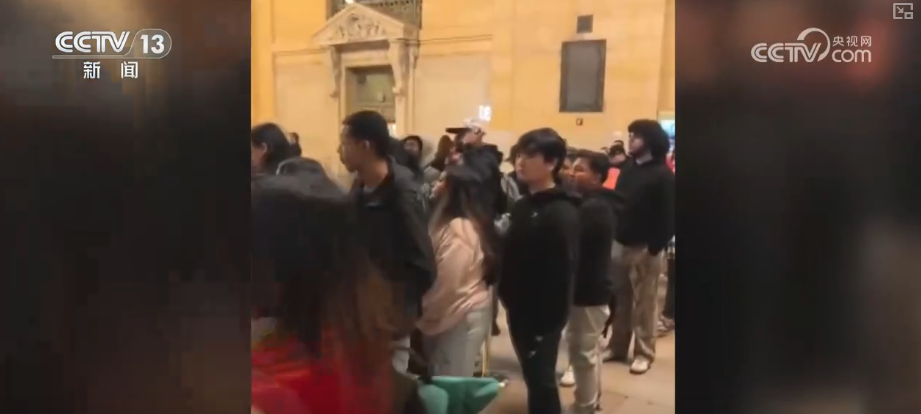
Core Viewpoint - Shenzhen's consumer-grade smart imaging industry is rapidly gaining global traction, with products like 360-degree cameras and drones becoming highly popular among international consumers, particularly in the U.S. [1][4] Group 1: Product Popularity and Market Reach - A panoramic camera from Shenzhen has sparked a buying frenzy in the U.S., with long queues forming for purchases [1] - Shenzhen-manufactured smart imaging devices, including panoramic cameras and drones, are exported to over 200 countries and regions, capturing around 70% of the global market share [4] - The popularity of these products is attributed to their innovative features, such as a selfie stick that can become "invisible" and the ability to capture immersive 360-degree images [5][4] Group 2: Technological Innovation and Ecosystem Development - Shenzhen companies are shifting from hardware competition to a new ecosystem that integrates "devices + software + content," enhancing their global influence in the smart imaging industry [7][10] - Innovations in AI algorithms and hardware allow devices to automatically recognize and track subjects, significantly improving user experience [7][8] - The development of 8K ultra-high-definition imaging technology and advanced stabilization techniques has further enhanced the capabilities of these consumer-grade devices [8] Group 3: Industry Growth and Support - Shenzhen has established a comprehensive supply chain and manufacturing ecosystem for consumer electronics, supported by significant investments in AI and technology [18] - The local government has introduced action plans and funds totaling 20 billion yuan to support the development of strategic emerging industries, fostering a favorable environment for innovation [18] - The collaborative nature of the industry, exemplified by the interconnected businesses in Huaqiangbei, enables rapid product development and customization to meet diverse market demands [17][15]
“设备+软件+内容”解锁新“视”界 中国智造脱颖而出“圈粉”海外消费者
Yang Shi Wang· 2025-07-03 05:41
Core Insights - A panoramic camera produced in Shenzhen has sparked a buying frenzy in the U.S., showcasing the global appeal of Chinese smart imaging products [1][6] - Shenzhen is establishing a new track in the consumer-grade smart imaging industry, attracting foreign buyers to its electronic markets [3][4] - Shenzhen-made smart imaging devices, including panoramic cameras and drones, are now sold in over 200 countries, capturing approximately 70% of the global market share [6][29] Industry Developments - The popularity of these products is attributed to their innovative features, such as a selfie stick that can become "invisible" and the ability to capture immersive 360-degree images [1][7] - The devices are designed for various high-speed activities, providing stable footage in challenging environments like mountain trails and turbulent waters [14][22] - Shenzhen companies are moving beyond hardware competition to create an ecosystem that integrates "devices + software + content," enhancing their global influence in the smart imaging sector [15][29] Technological Innovations - Companies in Shenzhen are leveraging proprietary AI algorithms and advanced hardware to develop products that can automatically track and capture subjects in motion [17][19] - The smart imaging industry is witnessing breakthroughs in software and hardware, enabling features like 8K ultra-high-definition video and real-time 360-degree viewing experiences [19][24] - The rise of AI editing and cloud-based services is supporting the growth of the cultural creative industry, allowing non-professionals to produce and share content easily [27][29] Market Dynamics - Shenzhen's electronic market, particularly in Huaqiangbei, is a hub for innovation, where businesses can quickly prototype and customize consumer electronics [39][43] - The city has developed a comprehensive supply chain and manufacturing ecosystem, facilitating rapid product development and meeting diverse global demands [45][46] - Shenzhen's government is actively promoting the development of strategic emerging industries through substantial funding and support initiatives [45]