AI无人售餐机

Search documents
沙拉食刻陨落记:1.5亿融资、周杰伦代言 难敌商业模式致命缺陷
Xin Lang Cai Jing· 2026-02-03 09:45
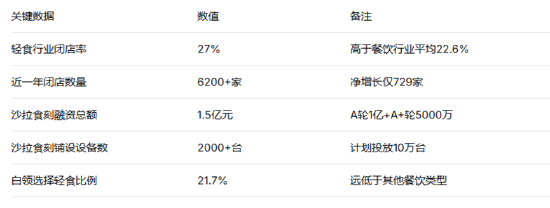
Core Insights - The dramatic downfall of "Salad Time" reflects the challenges faced by the healthy food industry, highlighting the contradictions between health and convenience in its business model [2][18][19] Company Overview - "Salad Time" was founded in 2020 in Dongguan, leveraging an "AI vending machine + light meal salad" model, quickly becoming a capital darling [2][12] - The company aimed to deploy 100,000 AI vending machines within five years, with over 2,000 machines installed by April 2025 in major cities [2][12][19] Financial Performance - The company raised a total of 1.5 billion yuan in funding, including 100 million yuan in Series A and 50 million yuan in Series A+ [8][19] - Despite ambitious revenue projections of at least 1 billion yuan annually, actual operational performance lagged significantly behind expectations [3][13] Operational Challenges - The company's aggressive expansion strategy led to operational inefficiencies, with reports of unpaid wages and delayed payments to franchisees surfacing by March 2025 [3][13][16] - By October 2025, "Salad Time" was officially declared bankrupt, with the founder facing legal issues due to debt disputes [14][16] Business Model Flaws - The company's reliance on a fixed-location vending machine model failed to meet the dynamic lunch needs of office workers, leading to a mismatch between consumer behavior and service delivery [15][16] - The franchise model, which included complex revenue-sharing arrangements, contributed to financial instability and management difficulties [16][19] Industry Context - The healthy food sector is characterized as a "high-risk category," with a closure rate of 27% from 2023 to 2024, surpassing the average closure rate of 22.6% in the broader restaurant industry [18][19] - The market is witnessing an influx of non-healthy food brands entering the light meal segment, increasing competition for independent healthy food brands [20][19] Lessons Learned - The collapse of "Salad Time" serves as a cautionary tale for the healthy food industry, emphasizing the need for a balance between health and convenience in product offerings [18][19] - Successful brands are now focusing on localized innovations that cater to traditional Chinese tastes, moving away from the rigid vending machine model [19][20]

开业,签约,再投资!日产超100万份!超级工厂落子昆山张浦
Yang Zi Wan Bao Wang· 2025-04-29 04:42
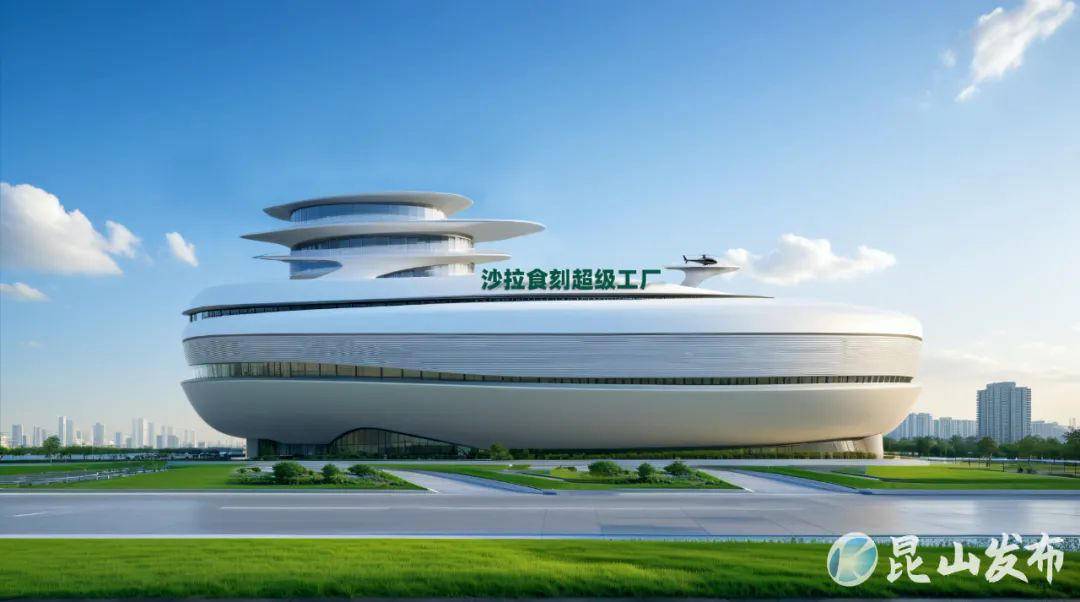
Group 1 - The signing of the Salad Time Super Factory project in Kunshan Zhangpu Town will result in a daily capacity of over 1 million light meal fast food servings and an annual sales value exceeding 5 billion yuan [1][3] - Salad Time (Guangdong) Food Technology Co., Ltd. employs an innovative business model of "source procurement + central factory + cold chain transportation + unmanned vending," having already deployed over 2,000 unmanned vending machines [3] - The planned investment for the new super factory is approximately 1 billion yuan, with a planned construction area of about 120,000 square meters, integrating AI unmanned vending machines, a central kitchen for light meal fast food, a shared food research laboratory, and a regional sales headquarters [3] Group 2 - The chairman of Salad Time, Qiu Yuansheng, highlighted Kunshan's favorable business environment, complete food industry chain, and strong consumer demand as ideal investment conditions [3] - Zhangpu Town is enhancing its brand image with initiatives like "Food Fashion Zhangpu" and aims to create a high-end food industry cluster that integrates production, procurement, storage, processing, and sales [4] - To meet the rapid growth in the East China market, Salad Time is establishing Jiangsu Dingxian Food Technology Co., Ltd. and collaborating with Bright Group for comprehensive cooperation in market, research, supply chain, and finance [4]