AI智能媒体助理

Search documents
免费批量生成自媒体文章的工具终于找到了,还能同步发布
Sou Hu Cai Jing· 2026-02-28 00:56
Core Insights - The main challenge in self-media is not content creation but the continuous effort required to publish across multiple platforms [1][3] - Success in self-media relies on efficiency and strategic use of tools rather than sheer effort [3][20] Group 1: Common Pitfalls - The first major pitfall is the "topic black hole," where time is wasted searching for trending topics that may not align with the creator's niche, leading to disengagement from followers [5][12] - The second pitfall is being a "content machine," where creators focus on producing high-quality articles but fail to maintain consistent output, risking being forgotten by algorithms [5][17] - The third pitfall involves the tedious process of manually publishing content across various platforms, which can consume significant time and energy [7][8] Group 2: Effective Strategies - The first strategy is to systematize the topic selection process by focusing on specific niches and identifying genuine audience queries [10][11] - The second strategy involves improving content production efficiency by using tools to generate initial drafts, allowing for more time to refine and personalize the content [14][16] - The third strategy is to utilize tools that enable one-click publishing across multiple platforms, streamlining the process and allowing for more interaction with the audience [18][19] Group 3: Long-term Perspective - Self-media operation is a long-term endeavor that requires consistent effort and strategy rather than quick success [20][21] - Maintaining a steady rhythm in content production is crucial, as is the use of reliable tools to assist in the process [21] - The effectiveness of these strategies depends on the execution and commitment to maintaining quality and frequency in content output [21]


自媒体运营成本高这个免费工具能省掉所有 AI 费用
Sou Hu Cai Jing· 2026-02-25 13:19
Core Insights - The article emphasizes the importance of reducing costs and increasing efficiency in self-media operations, rather than relying on multiple expensive tools [3][16] - It suggests consolidating various AI tools into a single platform to streamline processes and save on subscription fees [4][12] Cost Management - Many self-media operators underestimate the cumulative costs of multiple subscriptions for different AI tools, which can add up to hundreds or thousands of dollars monthly [2] - The article highlights that using a single paid AI tool can eliminate the need for multiple subscriptions, thus significantly reducing overall costs [12][17] Efficiency Improvement - The focus is on leveraging AI tools that can automate content generation across various formats, such as writing, graphic design, and video editing, to enhance productivity [10][11] - By using integrated platforms, operators can quickly generate content tailored to different social media platforms, saving time and effort [6][8] Practical Examples - For writing, the article mentions platforms that can generate multiple content variations from a single theme, reducing the need for separate writing tools [6] - In graphic design, it suggests using free design tools from major companies that offer templates and assets without copyright issues, thus avoiding additional costs [7] - Video editing can be done using free features in professional software, which can drastically lower production costs [8] Strategic Approach - The article advocates for a mindset shift where self-media operators focus on producing content efficiently rather than striving for perfection in every piece [13][14] - It stresses the importance of testing and iterating content quickly to adapt to audience feedback, which is facilitated by reduced costs [13][18] Long-term Benefits - By saving on tool costs, operators can reinvest in other areas such as marketing or audience engagement, which can lead to better long-term sustainability [17] - The article concludes that maintaining a consistent output of content is crucial for success in the self-media landscape [18]
新手做自媒体,如何在30天内建立正反馈避免放弃
Sou Hu Cai Jing· 2026-02-01 13:43
Core Insights - The article emphasizes the importance of establishing a sustainable creative routine in the first 30 days of entering the self-media space, highlighting that initial struggles with low engagement are common and should not deter creators from continuing their efforts [1][12]. Group 1: Initial Steps - The first week focuses on positioning and launching, with the primary goal being to complete the first publication and establish a consistent creative rhythm [3][7]. - Creators are advised to forget about "viral content" and "gaining followers" during the initial phase, concentrating instead on the act of publishing [7]. Group 2: Optimization and Interaction - The second and third weeks are critical for seeking feedback and adjusting strategies, emphasizing the importance of building connections rather than merely broadcasting content [8]. - Creators should actively seek micro-feedback by sharing their work in friendly communities and asking for opinions, as initial interactions can provide significant motivation [10]. Group 3: Systematization and Leverage - The final week aims to systematize efforts and amplify existing results, encouraging creators to develop a structured approach to content creation and distribution [9]. - It is recommended to celebrate small victories and maintain a record of achievements to foster motivation during challenging times [11]. Group 4: Common Questions and Answers - The article addresses common concerns, such as the normalcy of fluctuating data in the first 30 days and the importance of focusing on habit formation rather than immediate results [13][14]. - It suggests that creators should concentrate their efforts on 1-2 platforms initially, mastering them before expanding to others, to maximize effectiveness [13].
想解决文章重复度?AI智能媒体助理自动降重
Sou Hu Cai Jing· 2026-01-24 15:14
Group 1 - The core issue in content creation is not the quantity of writing but the uniqueness of thought, leading to high content repetition and competition in the self-media space [1] - A shift from merely tracking hot topics to deconstructing them is essential for breaking through the content saturation, allowing for deeper insights and unique angles [2][4] - Establishing an "information processing pipeline" using tools like AI media assistants can help identify long-tail keywords and niche topics, providing a strategic advantage in content creation [4] Group 2 - Repackaging old knowledge with new narratives can differentiate content, as storytelling is more memorable than straightforward explanations [5] - Utilizing various content forms (text, images, video, podcasts) can enhance user engagement and provide fresh experiences, allowing for broader audience reach [6][7] - The concept of "one fish, multiple eats" emphasizes the importance of repurposing core ideas across different formats to maximize content utility and avoid direct competition in the same medium [7] Group 3 - Differentiation in content can be validated through "search verification," ensuring that the core ideas are not overly similar to existing content [8] - Maintaining a unified core value across diverse content forms is crucial for brand identity, ensuring that different formats serve the same overarching theme [8] - AI tools can enhance writing quality without losing the human touch, as they should be used to optimize expression while the core insights remain the creator's responsibility [9]
跨平台运营痛点破解一次操作同步 8 大平台流量
Sou Hu Cai Jing· 2026-01-23 10:13
Core Insights - The article discusses the challenges and fatigue associated with managing content across multiple platforms, highlighting the repetitive nature of adapting the same content to fit different formats and audience expectations [1][4]. Group 1: Content Creation Challenges - Content creators face the difficulty of adapting the same core message to various platforms, leading to a sense of exhaustion and questioning the effectiveness of their efforts [1]. - The increasing number of accounts and platforms complicates the content distribution process, making it harder to maintain quality and engagement [1][4]. Group 2: Workflow Transformation - The traditional workflow of "creation - manual adaptation" is evolving into a more efficient process of "core creation - intelligent translation - manual calibration," allowing for better content management [4]. - The use of AI tools has shifted the focus from mere copying to understanding and transforming content for different platforms, enhancing efficiency and creativity [3][4]. Group 3: Impact on Engagement and Flow - The overall flow of traffic across platforms has stabilized, with improved content quality and frequency of updates leading to better engagement metrics [5]. - The article emphasizes that the real challenge in cross-platform operations is managing mental energy and attention rather than technical skills [5][6]. Group 4: Efficiency and Value Delivery - True efficiency is not about multitasking but rather about finding ways to deliver the value of a single piece of content across multiple channels without exhausting oneself [6]. - Tools can help reduce the noise in the content creation process, allowing creators to focus on identifying valuable insights and opportunities within audience discussions [6].
想提高写作速度?我用AI智能媒体助理速度快了不少
Sou Hu Cai Jing· 2026-01-04 21:08
Core Insights - The article emphasizes the transformation in content creation workflows through the adoption of AI writing tools, highlighting the shift from traditional writing methods to a more efficient, automated process [1][3]. Group 1: Workflow Transformation - The initial perception of AI writing tools as mere "advanced typewriters" has evolved, leading to a systematic restructuring of the entire content creation process [3]. - The new workflow consists of four stages: inspiration and topic selection, intelligent content production, automated publishing and adaptation, and data feedback and optimization [6][7]. Group 2: Efficiency Gains - The use of AI tools has increased content output from 1-2 articles per day to 8-10 articles, while maintaining quality [3][6]. - Automation of the publishing process has saved significant time, with one specific task saving 40 minutes daily [6]. Group 3: Key Recognitions - A shift in role from "creator" to "curator and editor" has occurred, focusing on content architecture and optimization rather than just production speed [7]. - Quality and quantity can coexist, as AI handles basic content generation, allowing for deeper insights and emotional engagement from human creators [7]. Group 4: Practical Recommendations - Companies are advised to start automating from the most challenging aspects of their workflow, such as topic generation or formatting [8]. - Establishing a content template library based on past high-engagement content can standardize quality across different platforms [8].
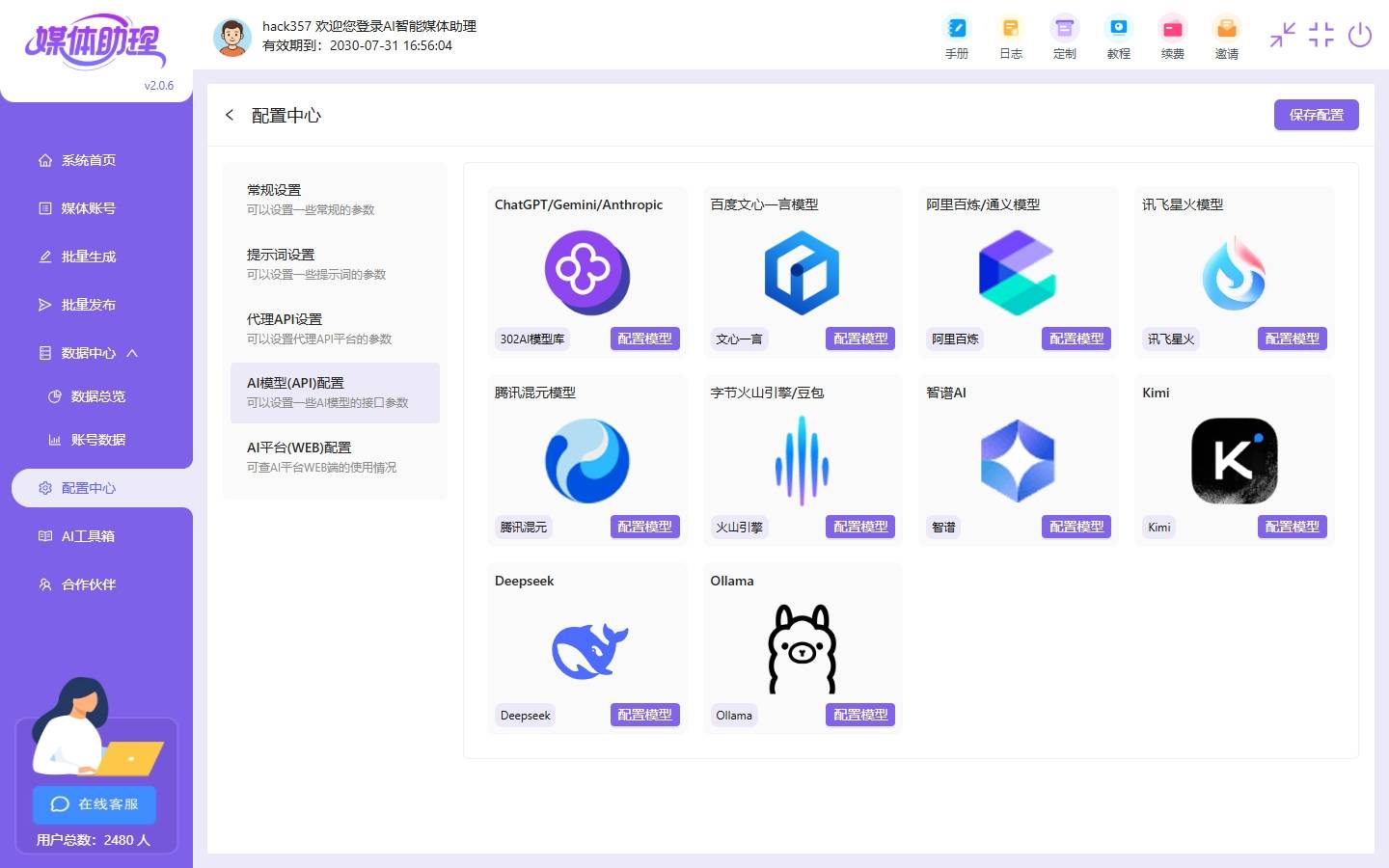
10分钟写出爆款文!AI智能媒体助理写作效率提升术
Sou Hu Cai Jing· 2025-12-24 03:49
Core Insights - The article discusses the challenges faced by content creators in managing multiple social media platforms and how an AI-powered media assistant can streamline the content publishing process [1][3][4]. Group 1: Challenges in Content Creation - Content creators often experience fatigue from repetitive tasks, which detracts from their creative process and leads to errors in publishing [3][4]. - Manual operations can result in mistakes, such as posting content with platform-specific rules incorrectly, leading to penalties like reduced visibility [3][4]. Group 2: AI Media Assistant Features - The AI media assistant offers a one-click distribution feature that allows users to publish content across multiple platforms simultaneously, significantly reducing the time spent on manual formatting and posting [4][5]. - Users can set up templates for different platforms, enabling automatic adjustments to content format and structure, which enhances efficiency [4][5]. - The AI tool provides writing assistance, generating multiple opening lines for articles to help overcome writer's block and improve creativity [5][7]. Group 3: Efficiency Gains - The time required for content processing and publishing has been reduced from 1-2 hours to just 10-15 minutes, allowing creators to focus more on content quality and industry research [7][8]. - The integration of AI in the content creation process has led to a slight increase in engagement metrics across platforms due to more timely and accurate postings [7][8]. Group 4: User Experience and Learning Curve - Initial setup of the AI media assistant requires some time investment to familiarize users with its features and to create personalized templates [8][9]. - The tool is designed to enhance productivity without replacing the creator's unique voice and thought process, emphasizing the importance of personal input in content creation [8][9]. Group 5: Additional Capabilities - The AI assistant can also handle image and video content, allowing for comprehensive management of multimedia posts across platforms [9][10]. - Users can schedule posts for different times on various platforms, providing flexibility in content management and reducing the need for daily oversight [10].

流量暴跌?AI智能媒体助理帮你重新获得平台推荐
Sou Hu Cai Jing· 2025-12-18 13:21
Core Insights - The article discusses the challenges faced by content creators in managing multi-platform content distribution and the impact of algorithm changes on visibility and engagement [1][2]. Group 1: Content Distribution Challenges - Content creators often experience a significant drop in engagement metrics, such as views and recommendations, due to algorithm changes or content quality issues [1]. - The practice of "lazy distribution," where content is slightly modified for different platforms, can lead to penalties from platforms for being deemed low-quality or non-original [1]. Group 2: AI Media Assistant Benefits - The AI media assistant offers a "multi-platform differentiated publishing" feature that allows creators to tailor content for each platform, significantly improving engagement and reducing the risk of being flagged for duplicate content [2][3]. - The "intelligent scheduling and data dashboard" feature enables creators to optimize posting times based on historical data, enhancing visibility and engagement [3][4]. - The assistant aggregates performance data across platforms, allowing creators to quickly identify successful content and adjust strategies accordingly [4][6]. Group 3: Efficiency Improvements - After using the AI assistant, creators reported a 40% increase in average recommendation traffic, with a significant reduction in time spent on content distribution and data analysis [6][8]. - The tool is designed to be user-friendly, with a low learning curve, allowing creators to quickly adapt and utilize its features effectively [7][8]. Group 4: Additional Features - The AI assistant includes a content inspiration library that helps creators analyze trending topics across platforms, aiding in more precise content selection [8].
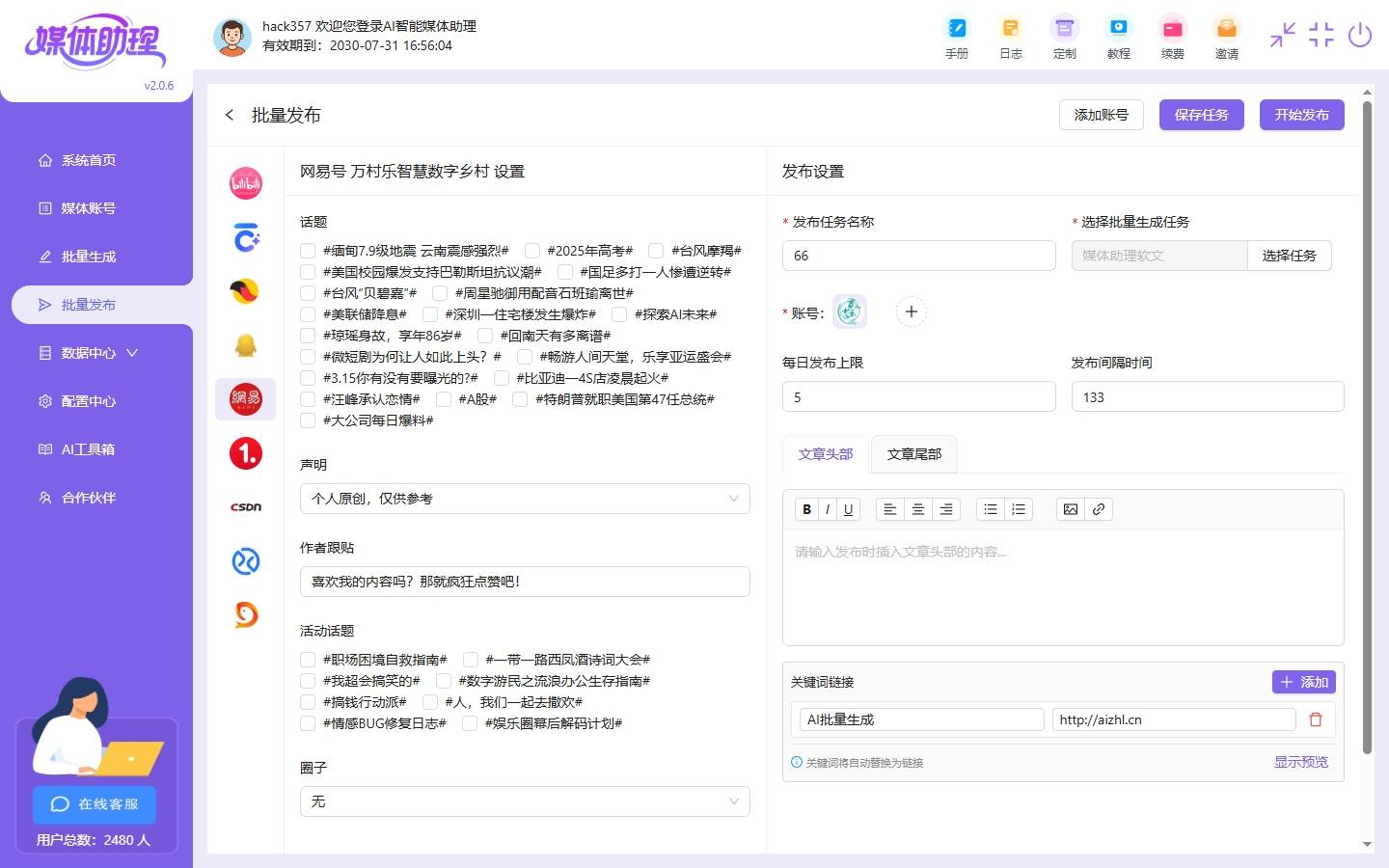
多平台发文太麻烦?有没有一键发布工具?AI智能媒体助理可直接使用
Sou Hu Cai Jing· 2025-12-13 14:50
Core Insights - The article discusses the challenges faced by content creators in managing multi-platform publishing and highlights the need for a one-click publishing solution to streamline the process [1][2]. Pain Points Behind the Need for "One-Click Publishing" - Multi-platform publishing is complicated due to ecological barriers, including format, timing, operational, and management barriers [2]. - Different platforms require various content formats, such as long articles for WeChat and short, visually appealing posts for Xiaohongshu [2]. - Each platform has distinct peak user activity times, necessitating manual scheduling for optimal engagement [2]. - The repetitive nature of logging in and managing multiple accounts is time-consuming and prone to errors [2]. - Individual creators may manage 3-5 accounts, while teams or MCNs could handle dozens, leading to potential chaos without centralized management [2]. Ideal Tool's Core Capabilities - A comprehensive tool should support a wide range of platforms and adapt content according to each platform's characteristics [3]. - It should enable intelligent scheduling based on historical data and allow for the creation of a publishing calendar for efficient content management [3]. - The tool must support scalable and secure account management, including features like IP isolation to mitigate risks associated with account bans [3]. - Integration with the content creation process is essential, allowing for a seamless workflow from idea generation to publication [3]. Workflow Transformation - The integration of AI-driven media assistants can fundamentally change the content creation cycle, allowing creators to focus on strategy and analysis rather than execution [5]. - The process involves concentrated content creation, intelligent editing, and automated scheduling, freeing up time for interaction and optimization post-publication [4][5]. Conclusion - The value of one-click publishing tools lies in their ability to alleviate the burdens of repetitive tasks, enabling creators to focus on creativity and emotional connection in their work [7][10].
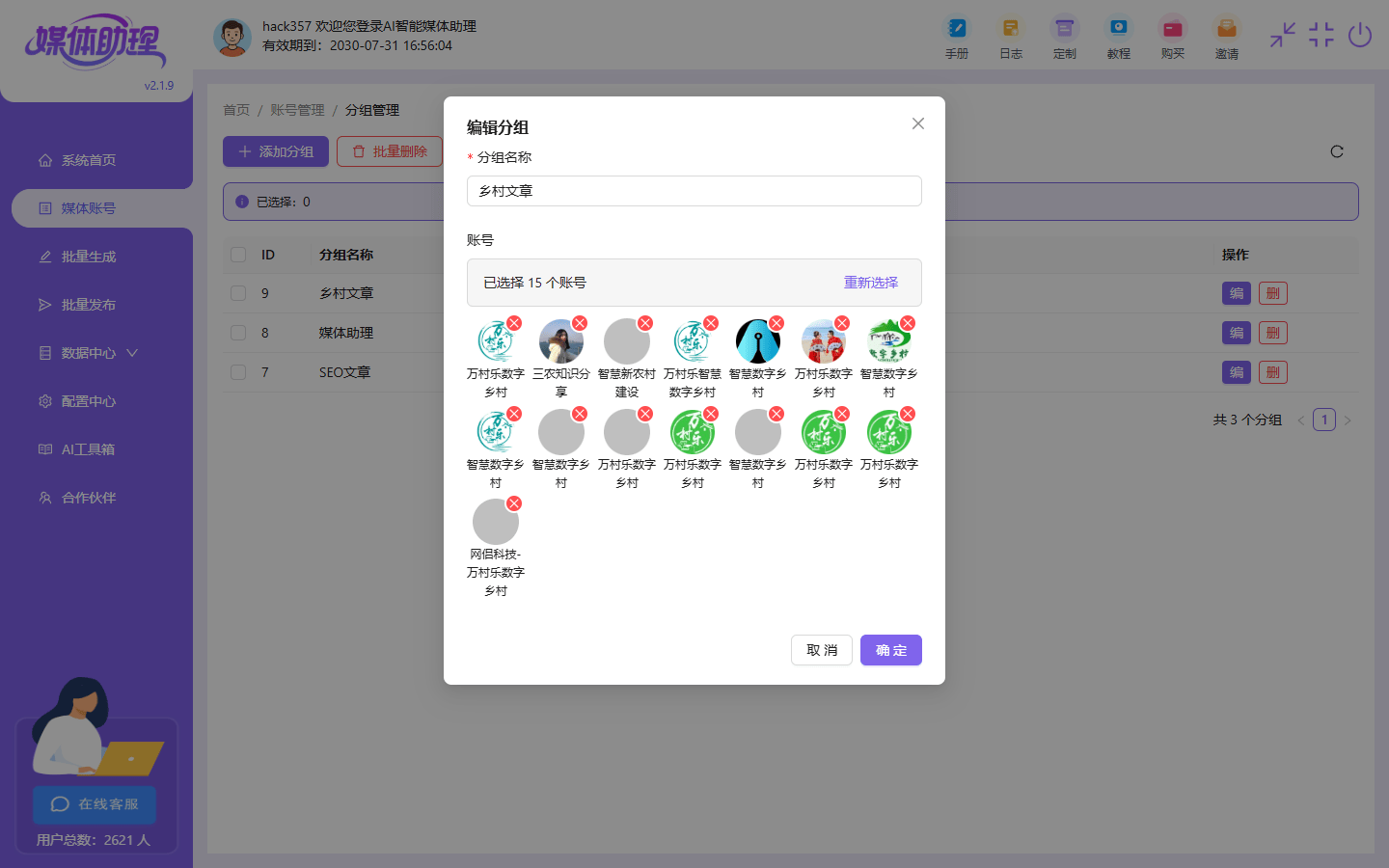
自媒体粉丝涨得慢AI批量文章生成工具+自动发布促互动
Sou Hu Cai Jing· 2025-10-12 02:17
Core Insights - The article discusses the challenges faced by individual content creators in the Chinese self-media landscape, highlighting that 65% of personal bloggers experience a monthly follower growth rate of less than 5%, while top bloggers achieve growth rates of 15%-30% through optimized processes [1][2]. Group 1: Challenges in Content Creation - Many content creators struggle to keep up with the daily demand for content, which is typically 2-3 pieces, while manual creation limits them to about 1 piece [1]. - The algorithm of platforms like Toutiao prioritizes "update frequency," leading to reduced visibility for those who post less frequently [1]. Group 2: Multi-Platform Management Issues - Managing multiple platforms such as WeChat, Zhihu, and Xiaohongshu can consume up to 70% of a creator's time, resulting in delayed interactions and an 18% increase in follower loss [2][4]. - Lack of timely responses to comments can decrease follower engagement by 40%, particularly for emotional accounts that rely on immediate interaction [4]. Group 3: Solutions through AI Tools - AI content generation tools can produce 1500-2000 words based on keywords, allowing for customized writing styles and the inclusion of trending keywords [6]. - Automated publishing strategies can increase daily exposure by 2.3 times, as demonstrated by a food blogger who grew their followers from 200 to 1200 in a month through scheduled posts [8]. Group 4: Enhancing Engagement with AI - AI can facilitate intelligent interactions, leading to a 35% increase in follower retention for accounts that implement smart replies [9]. - A combination of scheduled tasks, cross-platform adaptation, and real-time comment monitoring can significantly improve engagement and content delivery [10]. Group 5: Practical Applications and Results - Different types of bloggers can benefit from tailored AI strategies, such as a workplace blogger increasing monthly follower growth from 3% to 12% through batch content generation and scheduled posting [11]. - Beauty bloggers improved their interaction rates from 1.2% to 4.7% by utilizing trending content generation and smart comment replies [11]. Group 6: Addressing Common Concerns - AI-generated content is unlikely to be flagged as inappropriate due to built-in sensitive word filters, maintaining a low violation rate of under 2% [12]. - The risk of account bans from automated posting can be mitigated by using IP proxies and adhering to posting intervals, as evidenced by a case where 200 accounts operated for six months without bans [12].