
AI歌手

Search documents
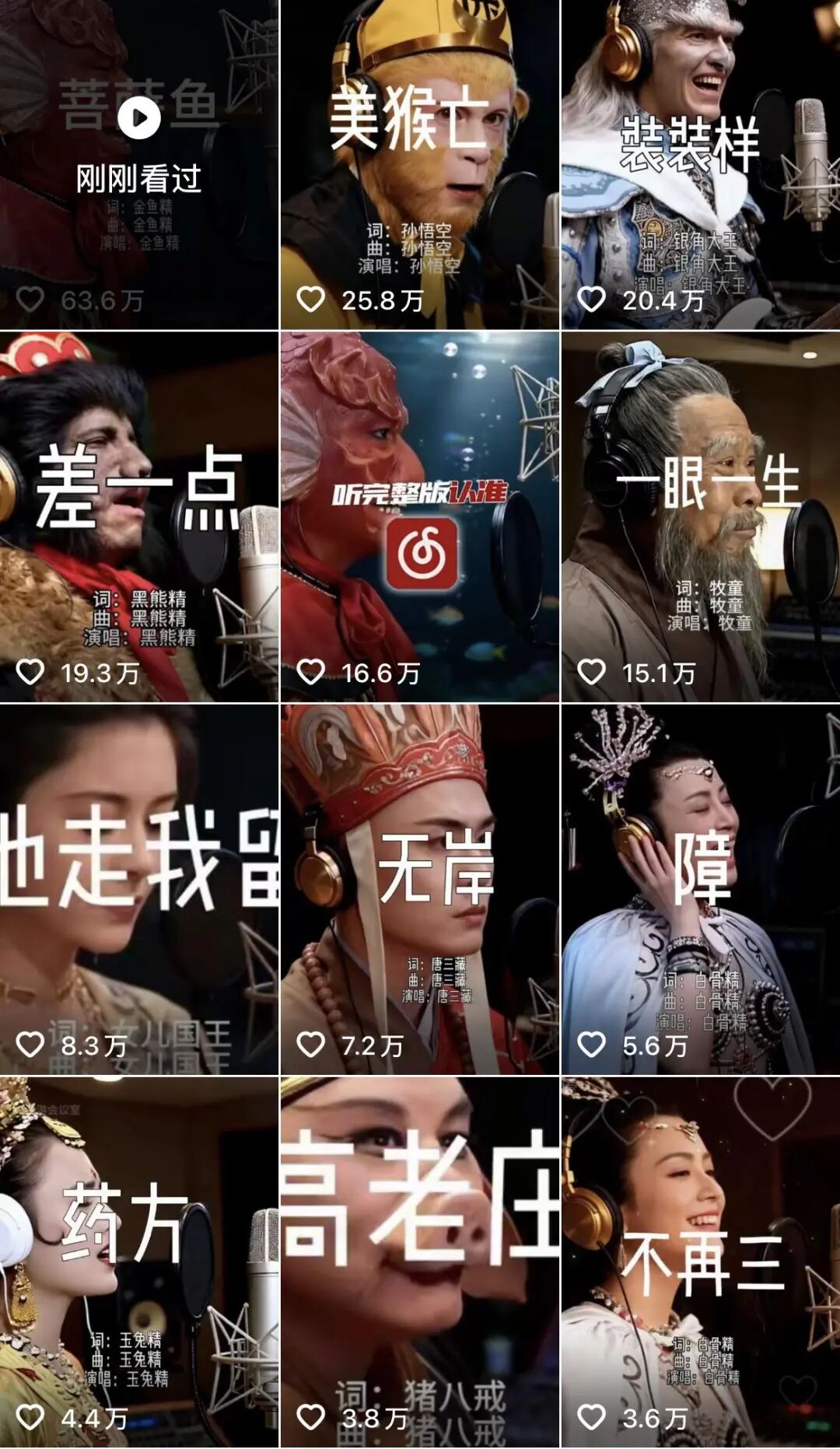
当心那些胡编乱唱的“AI歌手”
Xin Hua She· 2026-02-09 09:31
Core Viewpoint - The rise of artificial intelligence (AI) in music creation presents new challenges, particularly concerning the authenticity and cultural representation of minority music [1][2] Group 1: AI in Music Creation - AI technology has been used to create unauthorized covers of songs, such as a recent incident involving an AI-generated cover of a song by American singer Beyoncé, which led to a public apology and retraction after copyright issues [1] - A controversial "AI singer" claiming to represent the Yi ethnic group has been criticized for using nonsensical language in its covers, misleading audiences despite the inclusion of bilingual subtitles [1] Group 2: Cultural Misrepresentation - Some companies and individuals exploit the lack of understanding of minority languages and cultures to produce what is termed "pseudo-cultural" products, which can quickly be recognized as inauthentic by local communities [2] - The creation of AI-generated content that misrepresents ethnic identities, such as the "Yi AI singer" and a similarly controversial "Tibetan AI singer," raises concerns about cultural appropriation and the integrity of artistic expression [2] Group 3: Ethical Considerations and Regulation - The use of technology in music should respect cultural heritage and emotional depth, emphasizing the need for a balance between innovation and cultural integrity [2] - There is a call for platforms to take responsibility for content moderation and for regulatory bodies to establish clear guidelines to prevent the spread of misleading and culturally insensitive AI-generated content [2]
音综变天:AI上位,音乐人让位
3 6 Ke· 2026-02-03 23:26
Core Insights - The emergence of AI in music production is significantly disrupting traditional music creators, leading to reduced income and job opportunities for musicians and producers [1][22][28] - AI-generated music is becoming mainstream, with audiences increasingly accepting and embracing AI artists, which poses a threat to established human artists [10][39][40] - The integration of AI in music production is transforming the industry, lowering barriers for participation in music shows and enabling a wider range of performers, including non-professionals [20][39][44] Group 1: Impact on Traditional Musicians - Traditional musicians are experiencing a decline in income as AI can produce high-quality music at a fraction of the cost, with AI capable of generating 100 songs in a month compared to the limited output of human producers [1][22] - The market for music production has shifted, with production costs dropping significantly, leading to a devaluation of traditional music producers who previously charged over 10,000 for a song [28][30] - The rise of AI music is creating a sense of urgency among traditional musicians, as they face competition from AI-generated content that is increasingly accepted by audiences [10][22][39] Group 2: AI's Role in Music Shows - AI is redefining the landscape of music variety shows, allowing for a broader range of participants, including those who may not have traditional singing skills [20][39] - The use of AI in music production is streamlining the creative process, enabling quicker turnaround times and reducing the need for extensive human involvement in initial stages [23][26] - AI-generated music can enhance audience engagement by providing diverse renditions of songs, thus increasing the entertainment value of music shows [40][43] Group 3: Audience Reception and Trends - Audiences are increasingly open to AI-generated music, with many expressing enthusiasm for AI artists and their performances, indicating a shift in cultural acceptance [10][39] - The trend of AI music is leading to a new form of "creative equality," where non-professional singers can participate in music shows without fear of judgment, thanks to AI's ability to enhance their performances [39][44] - The popularity of AI music is prompting traditional music shows to adapt their formats, focusing on audience preferences and interactive experiences [12][40]

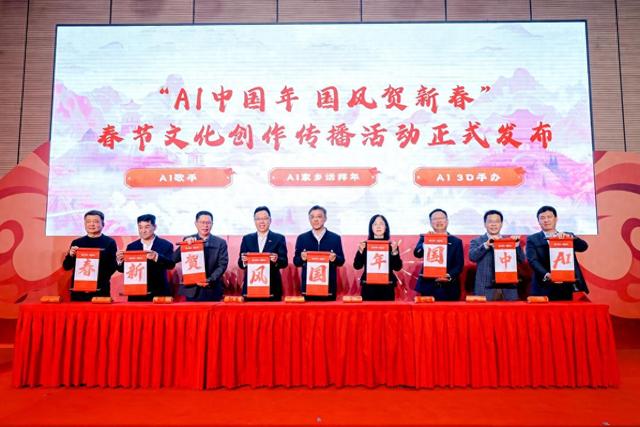
“AI歌手”歌声拜年!“AI中国年·国风贺新春”春节文化创作传播活动启动
Bei Jing Ri Bao Ke Hu Duan· 2026-01-27 07:44
Group 1 - The "AI China Year: National Style New Year Celebration" cultural creation and dissemination activity was officially launched on January 26, coinciding with the Lunar New Year [1][3] - The event is guided by the Central Propaganda Department's Literary and Art Bureau and hosted by China Mobile Migu Company, focusing on promoting national style culture through AI technology [3] - Migu Music introduced three major New Year greeting methods: "AI Singer," "AI Hometown Dialect Greetings," and "AI 3D Figurines," covering themes of national style music, Spring Festival customs, and intangible cultural heritage [3] Group 2 - Migu's chairman, Shen Wenhai, emphasized the integration of national style culture with popular art through advanced technologies, aiming to enhance the cultural supply for the New Year and innovate the celebration experience [3] - The "AI Singer" feature allows users to create personalized national style music videos by uploading photos and voices, while "AI Hometown Dialect Greetings" enables users to send local dialect blessings [3] - The "AI 3D Figurines" transform New Year greetings into collectible cultural symbols, allowing users to create personalized trendy figurines for the celebration [3] Group 3 - The online performance of Peking Opera was launched in collaboration with the National Peking Opera Company, aiming to develop an AI intelligent experience for audiences to generate their own Peking Opera segments [5] - Six classic Peking Opera performances were made available in a "Peking Opera Performance Zone" on Migu Video and Migu Music [5] - A memorandum of cooperation was signed between Indonesia's Empire Film, Migu Music, and China Mobile International's Indonesia branch to deepen collaboration in quality digital content and technological innovation services [7]

对抗AI的人
创业邦· 2026-01-13 03:44
Core Viewpoint - The rapid advancement of AI has transformed it from a novel concept to an omnipresent element in daily life, enhancing efficiency while also raising concerns about its negative impacts on creativity and authenticity [5][6]. Group 1: AI's Impact on Content Creation - AI has infiltrated various creative fields, leading to a significant increase in AI-generated content, with reports indicating that up to 50% of content in some online communities has been tainted by AI [5][6]. - The rise of AI-generated literature has led to a dramatic increase in the number of new works, with platforms like Tomato Novel seeing a surge from 400 new books in 2023 to 5606 in 2024, largely attributed to AI [8][9]. - The proliferation of AI content has created a challenging environment for traditional creators, who face the risk of being overshadowed by AI's efficiency and lower production costs [11][18]. Group 2: Personal Struggles and Adaptations - Creatives such as illustrators and voice actors have reported job losses and reduced income due to AI's capabilities, with some voice actors seeing their earnings drop from 200-300 yuan per day to 50-100 yuan [15][16]. - Many individuals in creative industries are exploring alternative career paths or adapting their work to coexist with AI, with some finding success in new ventures, such as creating original comics that emphasize human emotion and storytelling [26][28]. - The emotional toll of AI's encroachment on creative fields has led to mental health struggles among artists, with some contemplating drastic measures due to the pressure and uncertainty [12][13]. Group 3: Resistance and Coexistence - A growing movement against AI-generated content is emerging, with individuals using social media to express their concerns and advocate for authenticity in creative works, as evidenced by the 反ai tag gaining over 509.1 million views [9][11]. - Some creators are beginning to accept AI as a tool for inspiration rather than a competitor, recognizing its potential to assist in the creative process while still valuing human input [24][25]. - The ongoing debate about the role of AI in creative industries highlights the need for a balance between leveraging technology and preserving the unique qualities of human creativity [22][24].
把枯燥的工作先扔给大模型?
3 6 Ke· 2025-08-14 23:19
Core Insights - The article discusses the potential of AI to take over tedious and repetitive tasks in the workplace, reshaping workflows and organizational structures [1][2][17] - A study from Stanford revealed that workers prefer to delegate standard, repetitive tasks to AI, such as scheduling appointments and data formatting, which are time-consuming and prone to errors [1][2] - The implementation of AI in various sectors has led to significant changes, including job reductions in sales teams and enhanced efficiency in creative processes like book cover design [4][5][8][9] Group 1: AI in the Workplace - AI is increasingly being utilized to handle monotonous tasks that humans find unappealing, such as updating legacy code and managing customer appointments [1][2] - A notable example includes a sales team where AI replaced 25% of the workforce due to its ability to conduct phone sales more efficiently than human employees [4][5][7] - The introduction of AI has not only improved productivity but also altered traditional workflows, allowing for faster and more efficient task completion [8][9] Group 2: AI's Impact on Job Roles - The use of AI in creative fields, such as book cover design, has streamlined processes, enabling editors to generate multiple design drafts quickly without relying heavily on graphic designers [8][9] - AI's ability to perform tasks without the emotional fluctuations that human workers experience has made it particularly suited for roles that require persistence and consistency, such as telemarketing [5][7] - The trend of AI taking over specific job functions raises questions about the future of work and the potential for a one-person AI-driven company model, as suggested by industry leaders [12][17] Group 3: Broader Implications of AI Adoption - The article highlights that a significant percentage of jobs are already being influenced by AI, with studies indicating that 36% of roles involve AI in at least a quarter of daily tasks [16] - Companies are quietly integrating AI into their operations, often starting with small teams to identify which processes can be automated [17] - The ongoing evolution of AI capabilities suggests that its role in the workplace will continue to expand, potentially leading to a fundamental shift in how organizations operate [13][17]
百元定制“AI孙燕姿” 豪赚360万流量
Nan Fang Du Shi Bao· 2025-06-30 04:29
Core Insights - The rise of AI singers has led to unexpected changes in the music industry, with AI-generated covers gaining significant popularity and raising copyright concerns [1][2][7] Group 1: AI Technology and Popularity - AI singers like "AI Fang Datong" and "AI Sun Yanzi" have gained massive viewership, with "AI Fang Datong" covering "Zhu Yu" reaching up to 1.2 million views and "AI Sun Yanzi" videos surpassing 360 million views [2][3] - The technology behind these AI singers, such as So-Vits-SVC, allows for realistic voice cloning, enabling users to create AI covers with minimal effort [4][5] Group 2: Copyright and Legal Issues - The use of unauthorized song materials for training AI raises significant copyright issues, potentially infringing on the rights of original artists and songwriters [7] - Current copyright laws lack clear definitions regarding the use of AI-generated content, creating a legal gray area that could lead to substantial financial liabilities for infringers [7][8] Group 3: Ethical Considerations - The emergence of AI singers has sparked ethical debates regarding the "voice legacy" of deceased artists, particularly when AI technology is used to create new works that they never performed [7]