AI设计助理

Search documents
2026年建筑装饰行业经济趋势白皮书-1m 建筑装饰沙龙学会
Sou Hu Cai Jing· 2026-02-18 14:20
Core Insights - The report indicates that the construction decoration industry is at a critical juncture, transitioning from scale expansion to quality improvement, with 2025 marked by deep adjustments and structural transformations [1] - The industry is expected to continue experiencing low growth and strong differentiation in 2026, with structural opportunities becoming the core of development [2] Industry Overview - The industry is primarily composed of young to middle-aged professionals, with a significant concentration of resources and decision-making in first-tier cities like Beijing, Shanghai, and Guangzhou [1][2] - Design and construction are identified as the core processes, with integrated delivery becoming an important development direction [1] Market Environment and Trends - The overall judgment for the 2026 market environment is that it will be similar to or slightly worse than 2025, with economic stability expected to slow down and real estate investment unlikely to recover significantly [2][38] - Key trends for 2026 include a focus on stock renovation, the integration of AI design assistants, accelerated industry chain integration, and the rise of green low-carbon standards as essential requirements [2][43] Structural Changes and Opportunities - The industry is expected to be driven by technology and structural transformation over the next decade, with AI deeply integrated into design and construction management processes [2][41] - The report highlights that stock renovation will dominate the market, and companies need to shift from engineering-focused to service-oriented and technology-driven models [2][41] Challenges and Pain Points - Current challenges for industry players include intense competition, difficulties in customer conversion, cash flow issues, insufficient strategic decision-making capabilities, talent shortages, and obstacles in implementing intelligent solutions [2][41] - The pain points have evolved from single market issues to a complex mix of competition, capability, and organizational pressures [2][41] Recommendations for Companies - Companies are advised to shift focus from pursuing growth to selecting structural opportunities, emphasizing stock renovation and integrating AI design and green low-carbon capabilities into their foundational skill sets [3][49] - Effective cash flow management should be prioritized to avoid homogeneous price wars, and a talent system should be established to address technical and management gaps [3][49] Future Outlook - The report suggests that the industry will reward companies with the correct structural focus rather than those with the largest scale, indicating a shift in success criteria towards operational quality and sustainable development [3][51] - Companies must proactively adjust their business structures, embrace digital technologies, and establish continuous learning mechanisms to achieve stable growth in the new phase of low growth and strong differentiation [3][49]


一场城市与创造者的双向奔赴
混沌学园· 2026-01-18 04:07
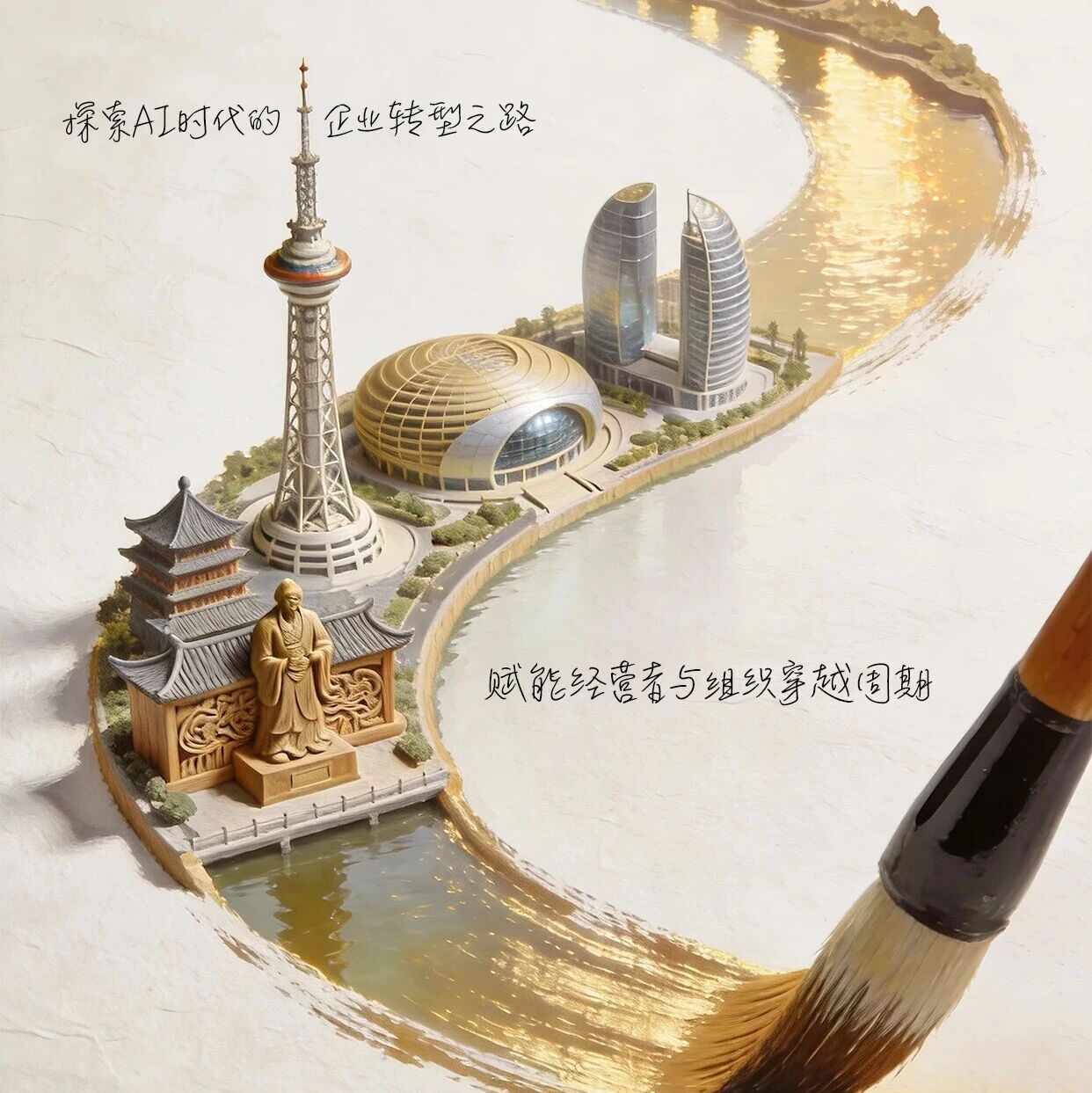
Core Insights - The article discusses the launch of the Spark Camp's tenth session in Zhuzhou, emphasizing a "government-enterprise-academia symbiosis" experiment aimed at fostering innovation within the city [1][12]. Group 1: Spark Camp Overview - Spark Camp is not merely a training program; its core mission is to awaken the "creative fire" within individuals that AI cannot replace [2]. - The tenth session marks the transition from "Spark Camp" to "Spark Academy," shifting focus from individual training to ecosystem co-creation [3]. Group 2: Case Studies - Participants from previous sessions have successfully implemented innovative ideas, such as a product that increased efficiency by 300% and a cultural project that achieved over one million in sales [4]. Group 3: Zhuzhou's Strategic Importance - Zhuzhou is recognized for its strong manufacturing base in rail transit and aviation engines, while Spark aims to inject "soft innovation" into the city [5][6]. - The city has released an "AI + Manufacturing" demand list, aligning with Spark's methodologies to address real industry challenges [6]. Group 4: Experiment Goals - The initiative aims to position Zhuzhou as a model for "AI era industrial innovation" [7]. - The program will involve hands-on collaboration with local AI ecosystems, allowing participants to act as "temporary partners" in solving real-world challenges [6]. Group 5: Key Design Elements - The program emphasizes the integration of research, industry, and education, moving from theory to practical applications within the industrial chain [10]. - Participants will engage directly with local industries, gaining insights into the intelligent transformation of manufacturing [15]. Group 6: Participant Roles - The initiative seeks not just students but also collaborators who believe in the symbiosis of cities and innovators, offering various roles such as "case managers" and "temporary partners" [14][15]. Group 7: Broader Implications - For Zhuzhou, this initiative serves as an "accelerator" for industrial intelligent transformation [16]. - For Spark, it represents a milestone in validating the "ecosystem empowerment" model [16].