AI译制系统

Search documents
三季度产业观察 | “一杯咖啡的距离”串起产业链 科技重塑电影产业未来
Yang Shi Wang· 2025-11-01 07:13
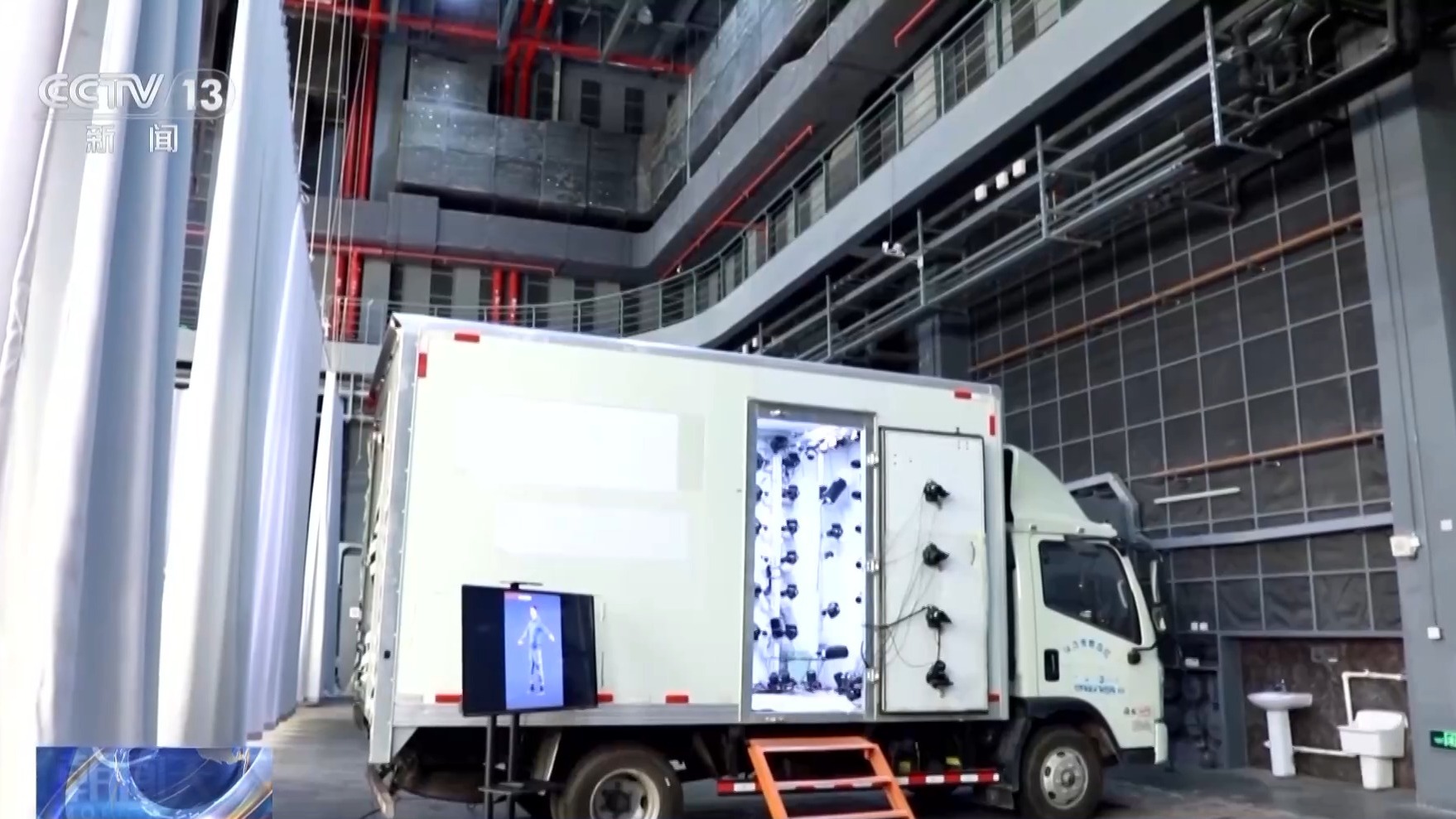
Core Insights - The film industry in China has shown significant growth, with box office revenue surpassing 41.95 billion yuan in the first three quarters, representing a year-on-year increase of 20.7% and over 984 million viewers [1] - The recent National Day holiday saw the annual box office exceed the total for the previous year, highlighting the industry's recovery and growth potential [1] Technological Advancements - New production technologies, such as virtual shooting and 3D scanning, are revolutionizing the film industry, enabling high-quality visual effects and reducing production costs [3][5] - The mobile scanning array used in films allows for quick generation of high-precision digital models, enhancing the visual experience [3] - The establishment of advanced facilities, like the largest constant temperature water scene base in Asia, supports the creation of realistic effects, such as waves in films [5] Efficiency Improvements - The introduction of digital intelligent scene-changing workshops has increased filming efficiency by 55% and reduced costs by 90% for large-scale scenes [7] - Traditional scene setup costs can reach hundreds of thousands of yuan, while virtual production systems can reduce this to tens of thousands, significantly saving time and resources [9] AI Integration - Artificial intelligence is transforming the entire film production process, from pre-production to post-production, enhancing efficiency and creativity [11][12] - AI systems can generate storyboards and dynamic previews in minutes, streamlining the creative process for directors [18] - AI translation systems facilitate dubbing in multiple languages while preserving character traits, further enhancing global distribution capabilities [16] Industry Ecosystem - The film industry is experiencing a technological explosion, with 2025 anticipated as a pivotal year for advancements in film technology [20] - Successful films like "Ne Zha" have catalyzed deeper integration of technology within the industry, supported by a robust talent development system [20][22] - Collaborative networks among production companies and educational institutions are fostering talent development, with a growing demand for skilled professionals in the industry [24][26]

“AI+影视”打造视听新体验 新质生产力焕新中国电影工业
Yang Shi Xin Wen Ke Hu Duan· 2025-11-01 06:30
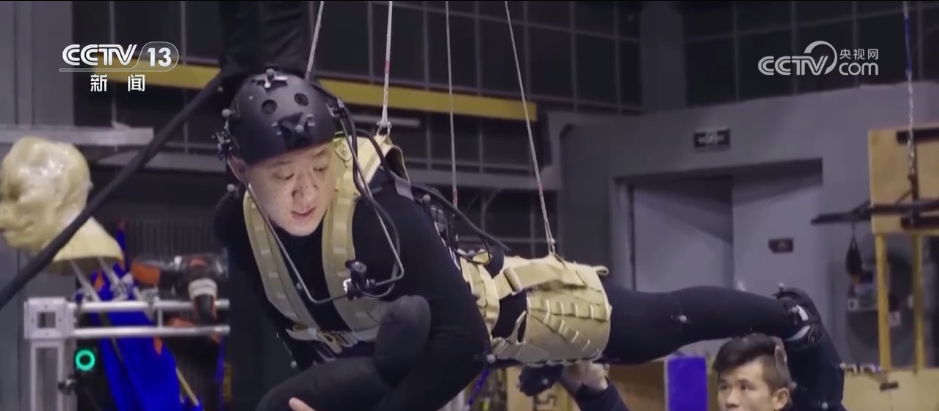
Core Insights - The film industry in China has shown significant growth, with box office revenue surpassing 41.95 billion yuan in the first three quarters, representing a year-on-year increase of 20.7% and over 984 million viewers [1] - The recent National Day holiday saw the annual box office exceed the total for the previous year, highlighting the impact of new production technologies on the industry's digital transformation [1] Group 1: Technological Advancements - The film "Assassination Novelist 2" showcases impressive visual effects made possible by virtual shooting technology, which involves scanning actors into 3D data for post-production [2] - A mobile 3D scanning array, consisting of 150 cameras, generates high-precision character models, enhancing the quality of film production [4] - The "Asia's largest constant temperature water scene shed" in Yangzhou allows for realistic water effects, significantly improving the visual experience in films [6] Group 2: Efficiency and Cost Reduction - The establishment of a digital intelligent scene-changing workshop in Chongqing has improved shooting efficiency by 55% and reduced costs for sci-fi scenes by 90% [8] - Traditional scene setup costs can reach hundreds of thousands of yuan, while virtual production systems can reduce this to tens of thousands, saving time and resources [10] Group 3: AI Integration in Film Production - Artificial intelligence (AI) is transforming the entire film production process, enhancing efficiency and creativity [13] - AI systems can assist in casting by evaluating actor suitability for roles and generating visual effects previews, thus streamlining pre-production [15] - AI translation systems can adapt dialogue to various languages while preserving character traits, facilitating international distribution of films [17] Group 4: Industry Ecosystem and Talent Development - The film industry is experiencing a surge in talent demand, with an annual increase of 20%, particularly in regions like Chongqing, which trains over 5,000 film professionals each year [30] - Collaborative efforts between industry leaders and educational institutions are fostering a new generation of talent skilled in both film artistry and new technologies [28] - The integration of "film + technology" is expected to enhance China's film industry's international influence and competitiveness [30]