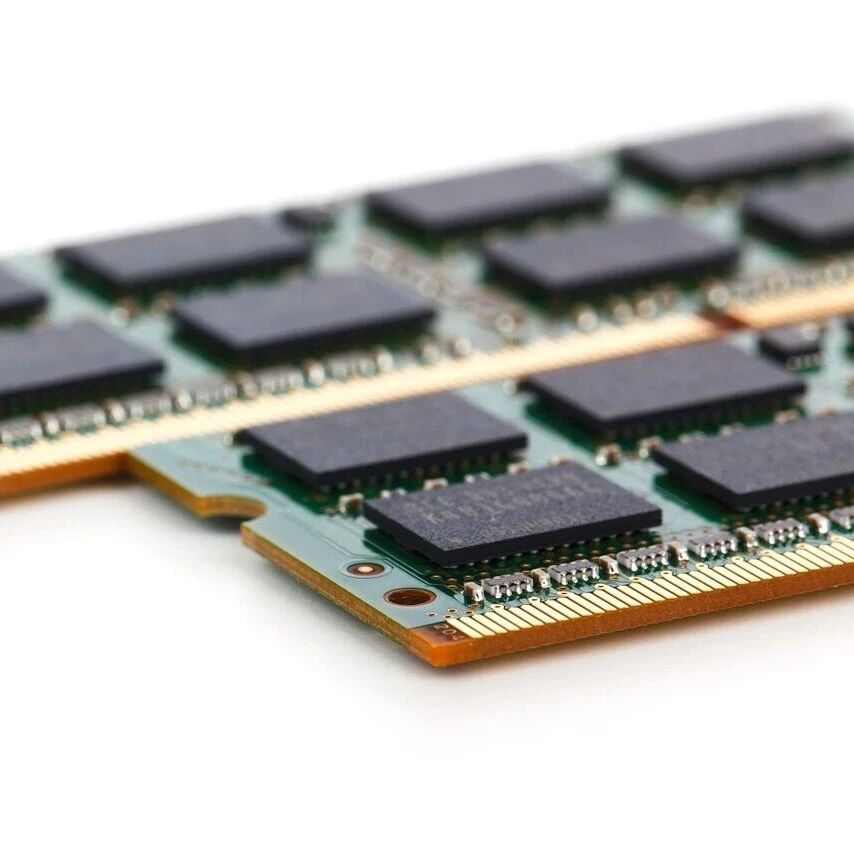
DDR3 DRAM

Search documents
力积电卖铜锣厂原因曝光 售厂后换取毛利升及纳入美光后段HBM合作名单
Jing Ji Ri Bao· 2026-02-05 23:38
Core Viewpoint - The company, Powerchip Semiconductor Manufacturing Corporation (力积电), reported its Q4 financial results and discussed the sale of its Cuozhuo plant to Micron, citing heavy depreciation burdens as the reason for the sale. This transaction is expected to improve gross margins and establish a partnership with Micron for high-bandwidth memory (HBM) production. Group 1: Financial Performance - In Q4, the company's revenue reached NT$12.5 billion, benefiting from an increase in average selling prices of DRAM and the appreciation of the US dollar, with a gross margin turning positive at 6%. Excluding the Cuozhuo plant, the gross margin would have been 17%, indicating that low capacity utilization and depreciation costs from the Cuozhuo plant were significant operational burdens [1]. - The company reported a net loss of NT$650 million for the quarter, a significant improvement from a loss of NT$2.73 billion in Q3 of the previous year [1]. Group 2: Market Dynamics - The memory market is experiencing structural supply-demand imbalances, with expectations that supply shortages will persist until the second half of 2026. This has led to rising wafer foundry prices [1]. - High-end AI servers are occupying the production capacity of major memory manufacturers for high-end DRAM, which is pushing up market prices for niche DRAM products, including DDR3 and DDR4 [1]. - The contract and spot prices for SLC NAND have also seen significant increases due to reduced supply from major Korean manufacturers [1]. Group 3: Strategic Moves - Following the sale of the Cuozhuo plant to Micron, the company plans to raise 12-inch foundry prices starting in January and will also increase 8-inch wafer foundry prices from March due to strong demand from AI servers and edge computing [2]. - The company aims to maintain its workforce and operational continuity while transitioning back to its Hsinchu facility. Micron has pre-paid for HBM backend wafer manufacturing capacity, integrating the company into its advanced packaging supply chain [2]. - The company has accumulated US$143 million in technical service fees without any delays and is progressing well in its collaboration with Tata Electronics for overseas factory projects, which will not be affected by the Cuozhuo plant sale [2].
DRAM和NAND,涨疯了!
半导体芯闻· 2025-11-03 10:37
Core Insights - The article discusses the ongoing memory shortage in the DRAM market, driven by increased capital expenditures from major cloud service providers and rising demand for artificial intelligence applications [2][5]. Group 1: Market Dynamics - Major cloud service providers are increasing their capital expenditures, with Amazon raising its budget from $118 billion to $125 billion, and further increases expected in 2026 [5]. - Samsung Electronics has paused DDR5 DRAM contract pricing, leading to a ripple effect among other manufacturers, which is expected to delay contract price announcements until mid-November [2][3]. - The DRAM spot prices have surged, with DDR5 prices more than doubling since late September, resulting in a 102% increase from $7.68 to $15.5 per 16Gb chip [4]. Group 2: Price Trends - Predictions indicate that DDR5 prices will experience a "triple increase" from Q4 2025 to H1 2026, with quarterly increases expected between 30% and 50%, potentially reaching nearly $30 per 16Gb chip by early 2026 [4][6]. - DDR4 prices are also rising, with DDR4 16Gb module prices surpassing $25, and specific models reaching $27 due to limited supply [4]. Group 3: Supply Chain Implications - The memory market is shifting towards a seller's market, with significant price increases across various memory types, including a 60% monthly increase for mainstream DDR4 8Gb modules and a 40% increase for DDR3 4Gb modules [5]. - The supply chain is experiencing structural capacity shifts as suppliers prioritize high-margin products like DDR5 and high-bandwidth memory (HBM), exacerbating the supply shortage [6].