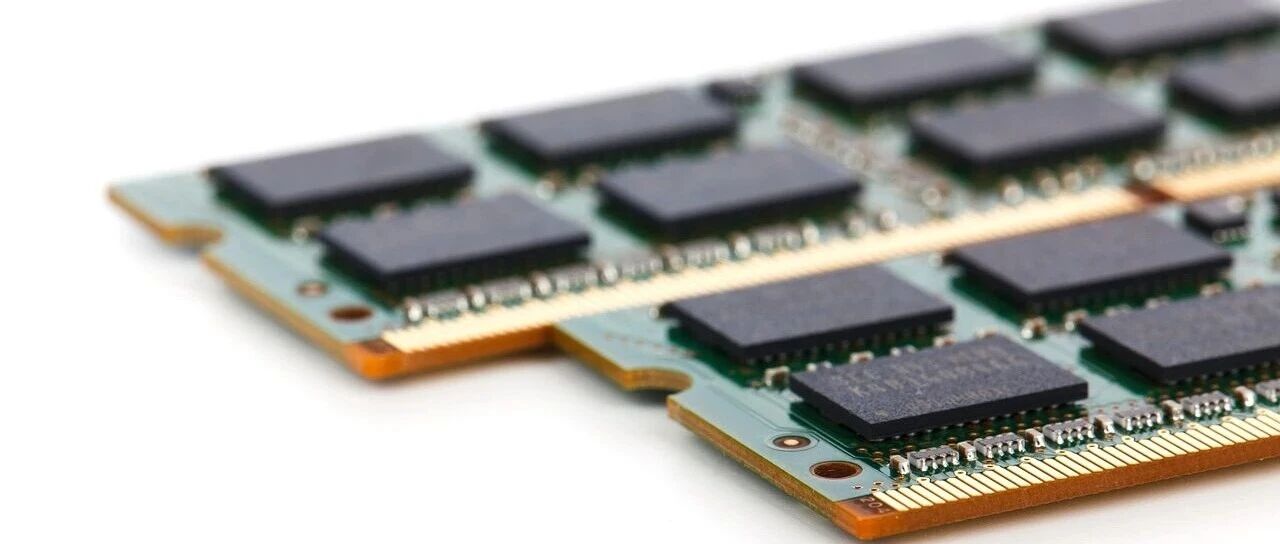
DDR5)

Search documents
内存价格上涨,有车企高管建议:买车趁早
财联社· 2026-03-10 09:39
Core Viewpoint - The automotive industry is facing significant cost pressures due to rising prices of storage chips and raw materials, leading some companies to consider price increases for their vehicles [1][2][3]. Group 1: Price Increases and Cost Pressures - Companies like Lantu and Zeekr are responding to increased costs by potentially raising vehicle prices, with Zeekr's new model expected to see price adjustments of 5,000 to 8,000 yuan [1][2]. - The price of automotive DRAM is projected to rise significantly, with DDR4 memory prices expected to increase by over 150% and DDR5 by 300% starting in the second half of 2025 [2]. - NIO's founder has indicated that the primary cost pressure in the automotive sector is not raw materials but the rising prices of storage chips, which could add 1,000 to 3,000 yuan to the cost of electric vehicles [3]. Group 2: Impact of AI and Chip Shortages - The competition for chips between the automotive and AI industries is intensifying, with AI-specific memory having much higher profit margins compared to automotive-grade memory [4]. - UBS has warned that chip shortages could disrupt global automotive production as early as the second quarter of this year, particularly affecting electric vehicle manufacturers [5]. - The current chip price increases are attributed to the rise of AI, contrasting with previous shortages caused by pandemic-related demand in consumer electronics [4].


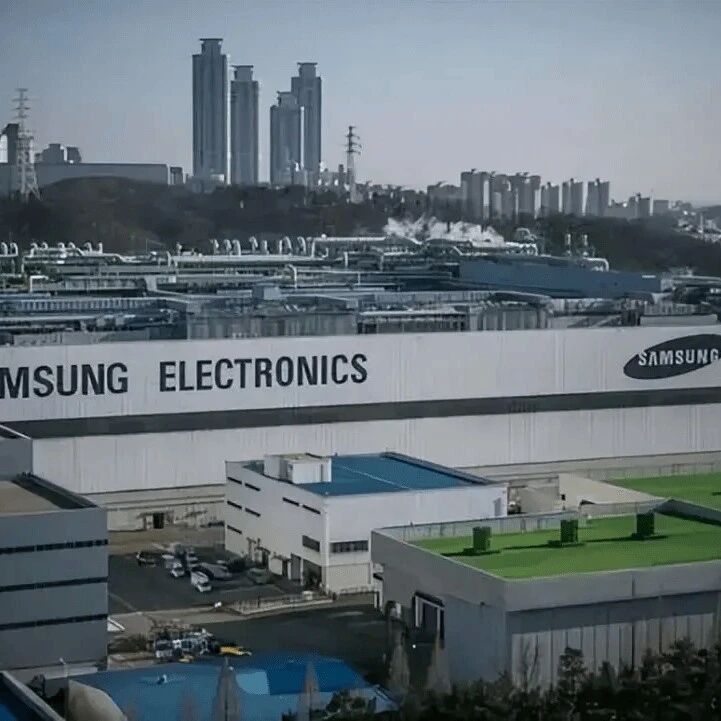
三星利润将飙升160%!
国芯网· 2026-01-06 11:32
Core Viewpoint - The article highlights the unprecedented surge in memory prices in 2025, leading to a significant shortage in the consumer electronics industry, with memory manufacturers reaping substantial profits [2][4]. Group 1: Memory Price Surge - In 2025, memory prices have skyrocketed, causing an unprecedented shortage and price increase in the consumer electronics sector, affecting both manufacturers and consumers [2]. - Analysts predict that Samsung's operating profit for Q4 2025 will reach 16.9 trillion KRW (approximately 816 billion RMB), a 160% increase from 6.49 trillion KRW in the same period last year [2][4]. - This profit is expected to be the highest quarterly profit since Q3 2018, with some optimistic analysts raising profit expectations to over 20 trillion KRW [4]. Group 2: Causes of the Price Surge - The surge in memory prices is primarily driven by the high demand for AI chips from major companies like NVIDIA, forcing semiconductor manufacturers to allocate significant production capacity to high-bandwidth memory [4]. - This shift has resulted in reduced production of traditional DRAM (such as DDR4 and DDR5) and NAND flash memory, leading to a comprehensive supply shortage [4]. - The benchmark price for DDR4 has increased nearly sevenfold over the past year, reaching the highest level since 2016 [4]. Group 3: Impact on Samsung - Samsung, as the largest smartphone manufacturer globally, is experiencing severe profit erosion in its mobile business due to skyrocketing memory costs [4]. - TM Roh, Samsung's co-CEO, stated that no company can escape the impact of this unprecedented situation, which affects not only smartphones but also other consumer electronics like TVs and home appliances [4]. - There is a possibility of raising product prices due to the unavoidable impact of rising memory chip prices [4].
存储缺货,30年来首次
半导体芯闻· 2025-11-07 10:24
Core Insights - The storage module industry is experiencing a significant shortage driven by AI demand, with NAND Flash prices increasing by approximately 50% this month, and DRAM prices for DDR4 and DDR5 also rising [2] - NAND Flash applications in AI have surged recently, leading to a shift in supplier capacity towards AI applications, with expectations of a substantial market opportunity due to HDD shortages [2] - The major DRAM manufacturers have no plans to increase DDR4 production, anticipating a gradual exit from the DDR4 market by 2026, which limits supply and drives prices up [2] Group 1: Company Performance - In Q3, the company reported revenues of 4.109 billion, a quarter-over-quarter increase of 27.2% and a year-over-year increase of 63.2%, with a net profit of 1.511 billion, reflecting a quarter-over-quarter increase of 259% and a year-over-year increase of 334% [3] - The company is primarily focused on industrial control, with DDR4 still dominating product shipments, while expecting an increase in DDR5 shipments as customers transition [2] Group 2: Market Trends - SanDisk predicts that the NAND Flash supply shortage will persist until at least the end of 2026, with indications that the tight supply situation may extend into 2027 [4] - The demand for NAND Flash is driven by long-term trends, capital investments, and industry transitions, with data centers expected to become the largest segment for NAND Flash by 2026 [4] - SanDisk's wafer fabs are operating at full capacity to replenish significantly reduced inventories, and the company is optimistic about the long-term growth of the data center market [4][6] Group 3: Future Outlook - SanDisk's revenue guidance for Q2 FY2026 is projected between 2.55 billion and 2.65 billion, exceeding market expectations, with adjusted earnings per share forecasted between 3.00 and 3.40 [6] - The company reported a 26% quarter-over-quarter growth in data center revenue, with ongoing collaborations with major data center clients [7] - BiCS8 technology is expected to dominate production by the end of FY2026, currently accounting for 15% of total shipments [7]