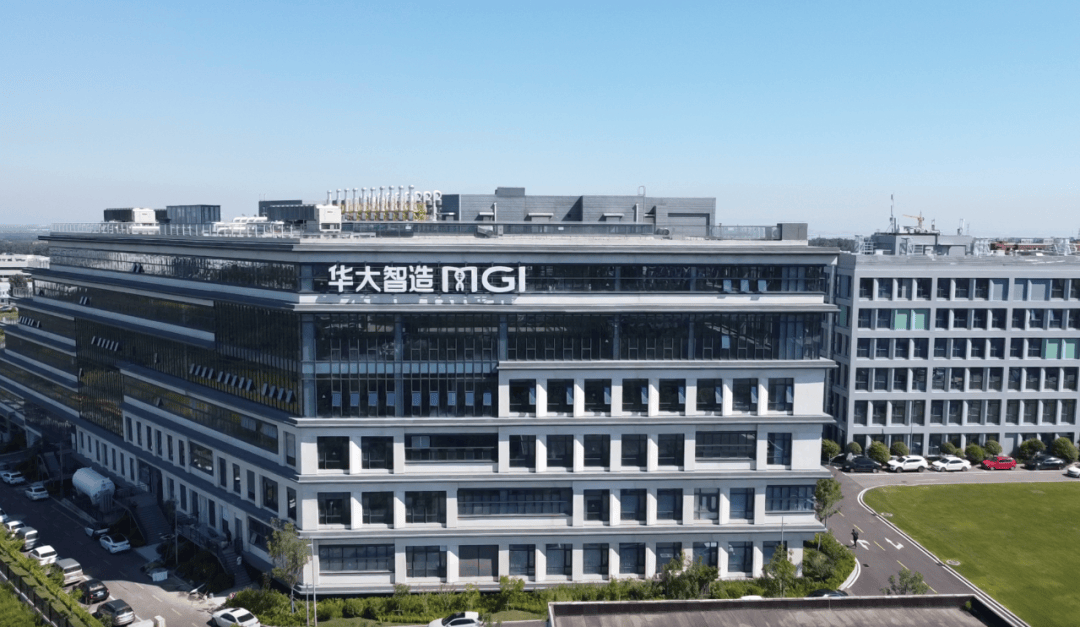
DNBSEQ测序平台

Search documents
华大智造战略“换道”:5000万美元剥离美国子公司CGI,轻资产模式深耕北美市场
2 1 Shi Ji Jing Ji Bao Dao· 2026-02-25 08:33
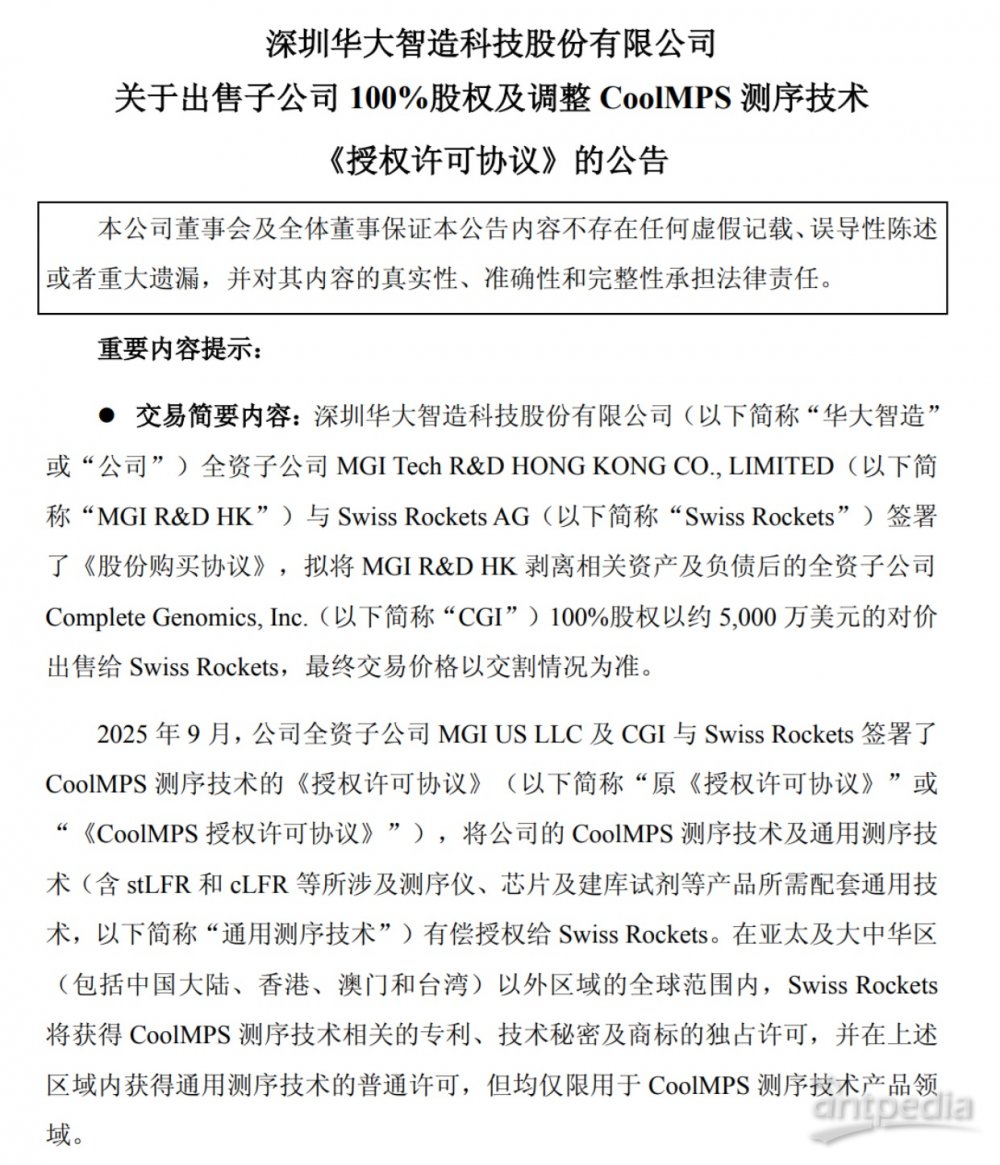
Core Viewpoint - BGI Genomics is undergoing a significant adjustment in its globalization strategy, marked by the sale of its U.S. subsidiary Complete Genomics (CGI) for $50 million to Swiss Rockets, alongside a core technology licensing agreement for its optical sequencing technology StandardMPS in North America [1][4]. Group 1: Strategic Shift - The divestiture of CGI is seen as a strategic "change of course" rather than a mere asset disposal, allowing BGI to alleviate ongoing losses and optimize its asset structure while retaining future strategic development space in North America [1][4]. - The transaction combines equity divestiture with core technology licensing, providing immediate cash flow and reducing operational uncertainties by transforming volatile business operations into structured, guaranteed licensing income [4][5]. Group 2: Financial Implications - BGI anticipates that the $50 million from the sale will significantly improve cash flow and reduce operational losses, with projections indicating a narrowing of net losses for 2025 compared to 2024 [1][5]. - The company expects to receive at least $120 million in licensing fees from Swiss Rockets, including an upfront payment of $20 million and potential milestone payments and sales shares [4][5]. Group 3: Market Context - The North American gene sequencing market is projected to reach approximately $6.87 billion in 2023, with a compound annual growth rate (CAGR) of 15.2% expected from 2024 to 2030, dominated by major players Illumina and Thermo Fisher Scientific [6]. - BGI's decision to shift focus from direct market entry to technology licensing is a response to the high compliance costs and competitive pressures in the North American market [6][8]. Group 4: Future Outlook - The transaction is part of a broader trend in the global gene sequencing industry, which is expected to exceed $25 billion by 2025 and $50 billion by 2030, with significant growth in the Chinese market [8]. - BGI's strategy aligns with national policies promoting the domestic production of high-throughput gene sequencing technologies, aiming to enhance its market position while mitigating risks associated with international operations [8][9].


全球化战略“换道”:华大智造剥离美国子公司CGI
2 1 Shi Ji Jing Ji Bao Dao· 2026-02-25 07:55
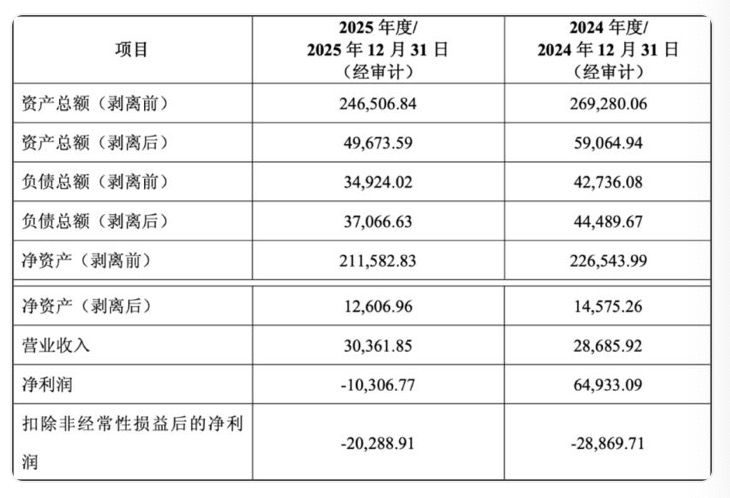
Core Viewpoint - BGI Genomics is adjusting its global strategy by divesting its U.S. subsidiary Complete Genomics (CGI) for $50 million and granting exclusive licensing of its core technology to Swiss Rockets, marking a shift from product export to technology output [1][3][10] Financial Summary - The sale of CGI is expected to provide significant direct revenue and improve cash flow for BGI Genomics [2] - BGI Genomics anticipates a net loss of 221 million to 273 million yuan in 2025, a substantial reduction of 54.56% to 63.22% compared to 2024 [1] - The financial situation of CGI shows a total asset reduction from approximately 246.5 million yuan to 49.7 million yuan post-divestiture, with net assets dropping from 211.6 million yuan to 12.6 million yuan [5] Strategic Shift - The transaction is viewed as a strategic "change of path," allowing BGI Genomics to alleviate ongoing losses and leverage Swiss Rockets' local resources for compliant operations in North America [3][6] - The deal transforms volatile business operations into structured, guaranteed licensing income, reducing operational uncertainty while retaining strategic development space in North America [3][4] Market Context - The North American gene sequencing market is projected to grow at a compound annual growth rate (CAGR) of 15.2% from 2024 to 2030, with major players like Illumina and Thermo Fisher Scientific dominating the market [6] - The global gene sequencing market is expected to exceed $25 billion by 2025, with a CAGR of over 14% anticipated through 2030 [8] Regulatory Environment - The transaction is subject to shareholder approval and regulatory reviews, introducing uncertainties regarding its completion and potential revenue [10] - BGI Genomics' strategy aligns with national policies promoting the domestic development of high-throughput gene sequencing technologies [9]
强链补链落子!华大智造高性价比并购,夯实生命科学基座全球唯一技术链
Hua Xia Shi Bao· 2026-02-01 12:28
Core Viewpoint - The acquisition of Shenzhen Huada Sanjian Qifa Technology Co., Ltd. and Hangzhou Huada Xifeng Technology Co., Ltd. by BGI Genomics is a strategic move to enhance its product offerings in the field of genomics, making it the only company globally to cover the entire chain of "long-read sequencing + spatial omics" technologies [1][2][3] Group 1: Acquisition Details - BGI Genomics announced a cash acquisition of 100% equity in both companies for approximately 366 million yuan [1] - The acquisition aims to integrate cutting-edge technologies, including Stereo-seq and CycloneSEQ, into BGI Genomics' existing product matrix [2][3] Group 2: Technological Integration - The integration of Stereo-seq and CycloneSEQ technologies will create a comprehensive technical chain that enhances BGI Genomics' competitive edge [2] - Stereo-seq technology is recognized for its international leadership in resolution and field of view, while CycloneSEQ offers unique advantages in long-read sequencing and real-time capabilities [3] Group 3: Strategic Positioning - This acquisition strengthens BGI Genomics' first-mover advantage in the AI medical field and brain-computer interface technology [4] - The company is positioned to lead in multiple cutting-edge sectors by leveraging its advanced technologies [4] Group 4: Financial Aspects - The acquisition is strategically timed to capitalize on the valuation window, allowing BGI Genomics to acquire assets at a more favorable price before they become commercially mature [5] - The estimated valuations for the acquired companies are significantly lower than comparable industry players, reducing financial pressure on BGI Genomics [5][6] Group 5: Risk Mitigation and Growth Potential - The acquisition includes performance guarantees from the sellers, providing a safety net for BGI Genomics and protecting shareholder interests [6] - The integration of new revenue streams from the acquired technologies is expected to enhance the company's overall revenue and profitability [6][7] Group 6: Industry Context - The acquisition aligns with the trend of deep mergers and acquisitions in the industry, reflecting a focus on strategic integration and value creation [7] - BGI Genomics' move serves as a model for similar industry consolidations, emphasizing the importance of building competitive barriers through comprehensive technology offerings [7]
强链补链落子!华大智造高性价比收购,夯实生命科学基座全球唯一技术链
Jin Rong Jie· 2026-02-01 11:22
Core Viewpoint - The acquisition of Shenzhen Huada Sanjian Qifa Technology Co., Ltd. and Hangzhou Huada Xufeng Technology Co., Ltd. by BGI Genomics is a strategic move to enhance its capabilities in the fields of spatial omics and nanopore sequencing, positioning the company as a leader in the global life sciences sector with a comprehensive product matrix covering "full-length sequencing + spatial omics" [1][2][3]. Group 1: Acquisition Details - BGI Genomics plans to acquire 100% equity of both companies for a total consideration of approximately 366 million yuan [1]. - The acquisition will allow BGI Genomics to integrate cutting-edge technologies into its operations, enhancing its product offerings and market position [2][3]. Group 2: Technological Integration - The acquisition will create a seamless technology chain combining short-read (DNBSEQ), long-read (CycloneSEQ), and spatial omics (Stereo-seq) technologies, making BGI Genomics the only company globally to cover these three advanced technologies [2][3]. - Stereo-seq technology is recognized for its international leadership in resolution and field of view, with applications in neuroscience, regenerative medicine, and tumor microenvironment analysis [2][3]. - CycloneSEQ technology offers unique advantages such as long-read, real-time sequencing, and portability, effectively addressing challenges in large genome assembly and clinical testing [2][3]. Group 3: Strategic Advantages - The acquisition strengthens BGI Genomics' first-mover advantage in the AI medical field, enhancing its "AI + gene sequencing" strategy and supporting the development of intelligent laboratory automation [4]. - The integration of these technologies will enable BGI Genomics to provide comprehensive services from library construction to sequencing and data analysis, significantly improving customer service capabilities and retention [3]. Group 4: Financial Considerations - The acquisition is strategically timed to capitalize on the valuation window during the target companies' incubation phase, allowing BGI Genomics to acquire assets at a more realistic value [5]. - The estimated equity value of Huada Sanjian is 158 million yuan, while Huada Xufeng is valued at 207.7 million yuan, both assessed using the income method [5]. - Performance guarantees from the sellers include commitments for cumulative net profits of at least 50.1 million yuan for Huada Sanjian and 82.8 million yuan for Huada Xufeng over specified periods, with cash compensation provisions in case of unmet targets [6]. Group 5: Market Impact - The acquisition is expected to significantly enhance BGI Genomics' revenue scale and profitability, leveraging its global sales network to promote the new technologies [6]. - The integration of new revenue streams from spatial omics and nanopore sequencing will contribute to the company's long-term growth and industry influence [6]. - The transaction aligns with the broader trend of deep mergers and acquisitions in the industry, reflecting a focus on strategic integration and value creation [6].
盐田科技如何为世界首例猪肺移植“安检”?
Nan Fang Du Shi Bao· 2025-09-01 09:46
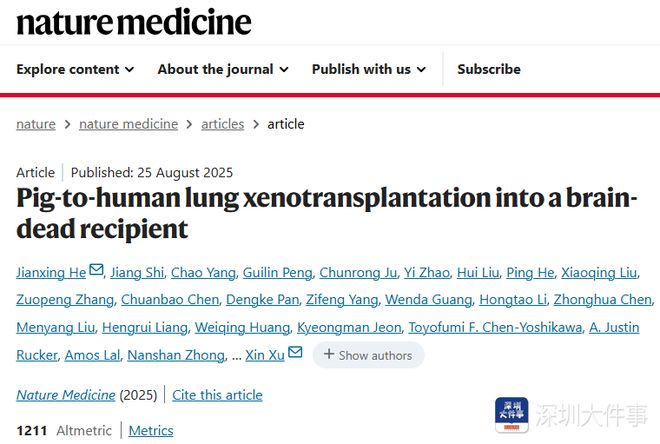
Core Viewpoint - A groundbreaking achievement in organ transplantation has been made by Chinese scientists, marking the world's first successful transplantation of gene-edited pig lungs into a brain-dead patient, which functioned effectively for over 10 days [1] Group 1: Breakthrough in Organ Transplantation - The successful transplantation represents a significant advancement in xenotransplantation, a concept that has been pursued for over a century [4] - Pigs are considered ideal organ donors due to their organ size and function being similar to humans, but the human immune system poses a major challenge [4][5] - The use of gene editing technology has allowed for modifications in the pig's genome, effectively creating a "pass" for the pig organs to be accepted by the human body [5] Group 2: Role of BGI Genomics - BGI Genomics, based in Shenzhen, played a crucial role in ensuring the safety of the transplantation by utilizing its high-throughput sequencing technology [8] - The DNBSEQ sequencing platform conducted comprehensive genomic screening of the pig lung, identifying any potential pathogens that could pose risks to human health [8] - The sequencing process provided a detailed "health report" confirming the absence of known pathogens, which was essential for the success of the surgery [8] Group 3: Implications for Future Transplantation - The surgery was successful, with the transplanted pig lung performing normal respiratory functions without signs of acute rejection [9] - This historic step indicates the feasibility of xenogeneic lung transplantation, offering hope to countless patients awaiting suitable organ donors [9] - The advancements in gene editing and reliable domestic sequencing platforms highlight the potential for future breakthroughs in organ transplantation [9]
IVD行业一季度承压持续,企业各寻出路
Sou Hu Cai Jing· 2025-05-09 04:17
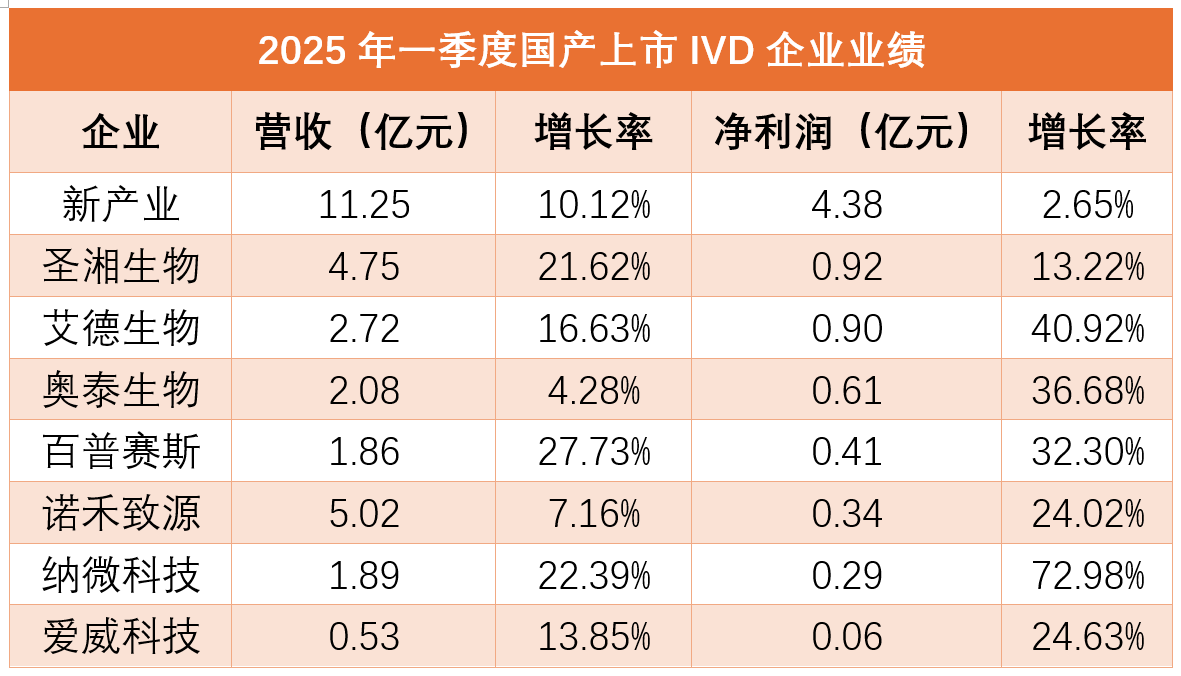
Core Viewpoint - The IVD industry is experiencing a significant downturn in revenue and profits, with over 70% of companies reporting a year-on-year decline in revenue and more than half facing losses or drastically reduced profits [2][5]. Revenue and Profit Trends - In Q1 2025, major IVD companies such as Mindray Medical, Dian Diagnostics, and RunDa Medical reported substantial declines in both revenue and net profit, with Mindray's revenue at 8.237 billion yuan (down 12.12%) and net profit at 2.629 billion yuan (down 16.81%) [2][4]. - Among 60 IVD companies analyzed, 16 reported revenue growth, with 8 achieving both revenue and net profit growth [2]. Market Challenges - The IVD sector is facing multiple challenges, including a slowdown in the conventional medical testing market, stricter cost control policies in healthcare, and the impact of centralized procurement policies [5][6]. - The anticipated centralized procurement in 28 provinces is expected to further pressure IVD companies, particularly in the high-volume chemical luminescence market [6]. Company Strategies and Innovations - Some companies are adapting by focusing on niche markets and innovative product offerings, such as New Industry and Sansure Bio, which reported revenue growth of 10.12% and 21.62% respectively in Q1 2025 [9]. - Companies are also exploring international markets, with Mindray's overseas revenue reaching 16.43 billion yuan in 2024, accounting for 44.75% of total revenue [9][10]. Technological Advancements - The IVD industry is witnessing a shift towards digitalization and AI integration, with partnerships like that of BGI and Dian Diagnostics aiming to enhance diagnostic efficiency and precision [10][11]. - The emergence of AI technologies is reshaping the IVD landscape, although challenges remain in data integration and commercialization [11].




解码生命密码的科创板先锋:华大智造的科技突破与资本之路
Sou Hu Cai Jing· 2025-05-06 09:08
Group 1 - The core viewpoint of the article highlights BGI Genomics as a leading player in the biotechnology sector, particularly in gene sequencing, emphasizing its role in breaking international monopolies and establishing a technological moat in China [1][3] - BGI Genomics went public on the STAR Market in September 2022, with an initial share price of 87.18 yuan, achieving a market capitalization exceeding 42 billion yuan on its first trading day, making it one of the largest IPOs in the biotechnology sector that year [3] - As of the end of Q1 2024, BGI Genomics maintained a market capitalization of over 30 billion yuan, leading domestic competitors in gene sequencing equipment [3] Group 2 - BGI Genomics has achieved significant technological breakthroughs, notably with its DNBSEQ sequencing platform, which has reached international leading levels in sequencing accuracy and cost control [4] - The company has installed over 3,000 gene sequencing instruments globally, covering 85 countries, and has captured over 35% market share in China, positioning itself as a strong competitor to Illumina [4] - BGI Genomics holds over 2,400 patents, including more than 600 international PCT patents, establishing a comprehensive intellectual property system across the entire value chain [4] Group 3 - Following its IPO, BGI Genomics accelerated its global strategy, achieving CE certification for multiple devices in 2023 and becoming the first domestic sequencing instrument to receive FDA certification [6] - The company has enhanced its manufacturing capacity, with its Wuhan facility increasing annual production capacity to 2,000 units and achieving over 90% localization of core components [6] - BGI Genomics has formed a "Precision Medicine Alliance" with over 1,000 global research institutions and pharmaceutical companies, with overseas revenue accounting for 43% of total revenue in 2023 [6] Group 4 - BGI Genomics faces challenges including risks of technological iteration, supply chain security, and geopolitical pressures, necessitating a focus on local operational capabilities [8] - The company plans to allocate 30% of its fundraising towards the development of AI-assisted diagnostic systems and aims to establish regional centers in Southeast Asia and the Middle East to diversify market risks [8] Group 5 - The growth trajectory of BGI Genomics reflects a typical path for Chinese hard-tech companies, characterized by technological breakthroughs, capital support, and global competition [9] - The company is transitioning from domestic substitution to setting global standards in gene sequencing technology, which is seen as crucial for understanding human life codes [9]