E1跳远冠军

Search documents
春晚上的万元机器人,松延动力如何把“人形”做成家庭消费品
机器人大讲堂· 2026-02-18 04:01
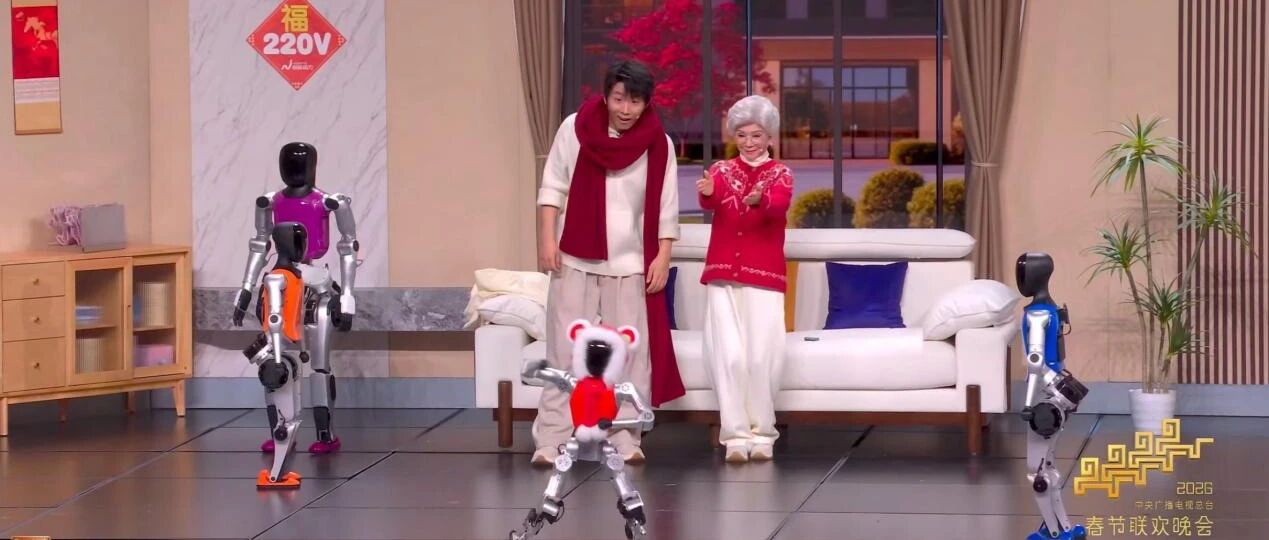
Core Viewpoint - The article discusses the debut of consumer humanoid robots on the Spring Festival Gala, highlighting the shift from showcasing technical capabilities to creating interactive, family-friendly robots that are affordable and accessible [1][4][20]. Group 1: Humanoid Robot Development - The humanoid robot "Xiao Bumi" represents a significant milestone, priced at 9998 yuan, making it the first mass-produced bipedal humanoid robot in China under 10,000 yuan [7][8]. - The development of Xiao Bumi focuses on creating a robot that is safe, interactive, and suitable for home environments, rather than just enhancing performance metrics like speed and agility [5][9]. - The design constraints of Xiao Bumi, such as limiting motor torque and impact force, ensure a more natural and gentle movement, making it more suitable for family interactions [8][9]. Group 2: Market Potential - The introduction of Xiao Bumi opens up several markets, including education, family, and research institutions, by significantly lowering the price barrier for humanoid robots [20][23]. - In the education sector, the affordability of Xiao Bumi allows schools to purchase humanoid robots for teaching purposes, which was previously limited by high costs [20][21]. - The family market is seen as a growing opportunity, with early adopters being tech enthusiasts, and the potential for broader acceptance as more humanoid robots enter homes [21][23]. Group 3: Technological Breakthroughs - The article highlights three major technological breakthroughs achieved by the company: miniaturization of components, lip synchronization for speech, and overcoming the "uncanny valley" effect in humanoid robots [24][25][28]. - The integration of advanced algorithms and hardware design allows for more lifelike movements and interactions, enhancing the overall user experience [25][28]. - The company's focus on creating a humanoid robot that feels natural and relatable is a key differentiator in the market, setting it apart from competitors [29][32]. Group 4: Future Outlook - The humanoid robot industry is at a pivotal point, transitioning from technical validation to market differentiation, with two distinct paths emerging: one focused on industrial applications and the other on consumer-oriented solutions [29][30]. - The success of Xiao Bumi is seen as a direct result of redefining what a consumer robot should be, emphasizing interaction and usability over mere technical specifications [32][34]. - The company aims to continue iterating on its products based on user feedback, ensuring that the robots evolve to meet the needs of consumers in real-world settings [17][34].