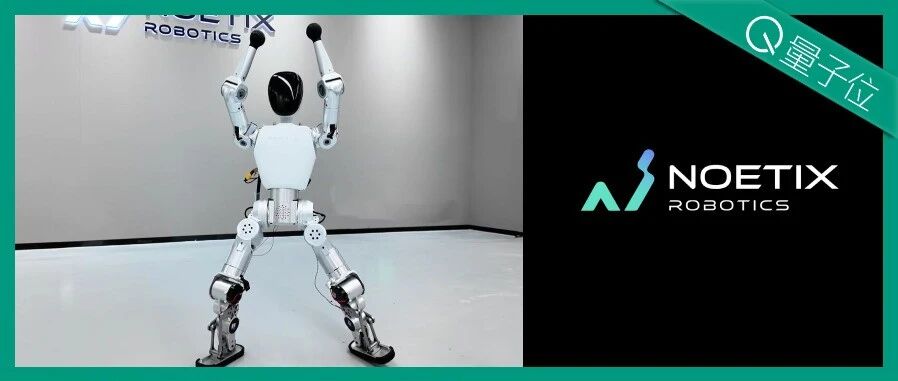
N2小顽童

Search documents
春晚上的万元机器人,松延动力如何把“人形”做成家庭消费品
机器人大讲堂· 2026-02-18 04:01
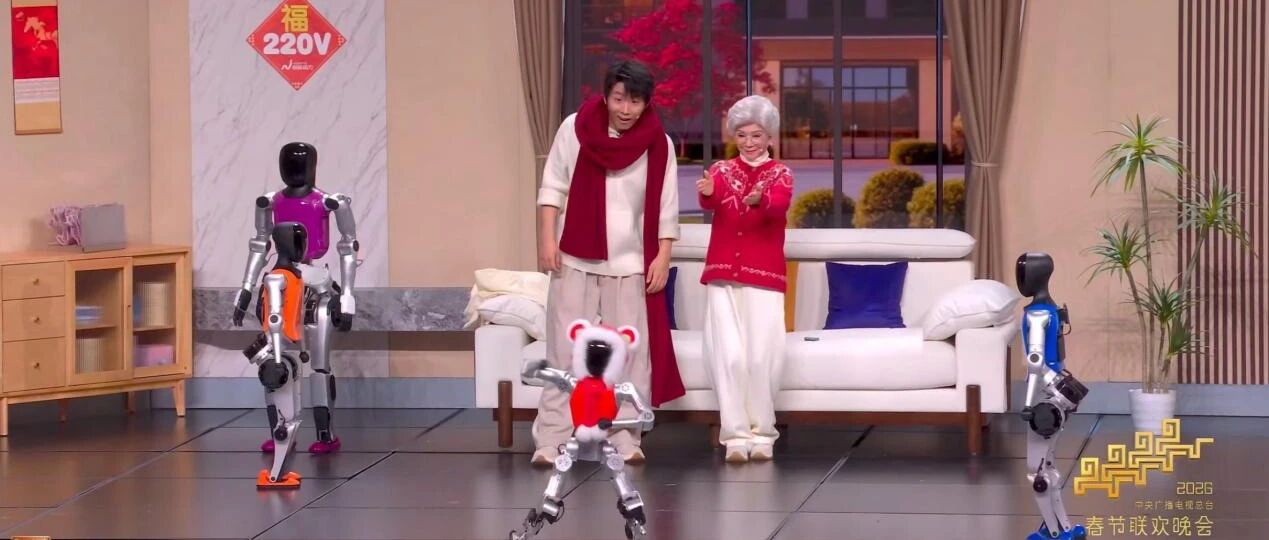
Core Viewpoint - The article discusses the debut of consumer humanoid robots on the Spring Festival Gala, highlighting the shift from showcasing technical capabilities to creating interactive, family-friendly robots that are affordable and accessible [1][4][20]. Group 1: Humanoid Robot Development - The humanoid robot "Xiao Bumi" represents a significant milestone, priced at 9998 yuan, making it the first mass-produced bipedal humanoid robot in China under 10,000 yuan [7][8]. - The development of Xiao Bumi focuses on creating a robot that is safe, interactive, and suitable for home environments, rather than just enhancing performance metrics like speed and agility [5][9]. - The design constraints of Xiao Bumi, such as limiting motor torque and impact force, ensure a more natural and gentle movement, making it more suitable for family interactions [8][9]. Group 2: Market Potential - The introduction of Xiao Bumi opens up several markets, including education, family, and research institutions, by significantly lowering the price barrier for humanoid robots [20][23]. - In the education sector, the affordability of Xiao Bumi allows schools to purchase humanoid robots for teaching purposes, which was previously limited by high costs [20][21]. - The family market is seen as a growing opportunity, with early adopters being tech enthusiasts, and the potential for broader acceptance as more humanoid robots enter homes [21][23]. Group 3: Technological Breakthroughs - The article highlights three major technological breakthroughs achieved by the company: miniaturization of components, lip synchronization for speech, and overcoming the "uncanny valley" effect in humanoid robots [24][25][28]. - The integration of advanced algorithms and hardware design allows for more lifelike movements and interactions, enhancing the overall user experience [25][28]. - The company's focus on creating a humanoid robot that feels natural and relatable is a key differentiator in the market, setting it apart from competitors [29][32]. Group 4: Future Outlook - The humanoid robot industry is at a pivotal point, transitioning from technical validation to market differentiation, with two distinct paths emerging: one focused on industrial applications and the other on consumer-oriented solutions [29][30]. - The success of Xiao Bumi is seen as a direct result of redefining what a consumer robot should be, emphasizing interaction and usability over mere technical specifications [32][34]. - The company aims to continue iterating on its products based on user feedback, ensuring that the robots evolve to meet the needs of consumers in real-world settings [17][34].

不到一万的机器人,你会买吗?
3 6 Ke· 2025-11-27 03:31
Core Viewpoint - The humanoid robot company Songyan Power has successfully completed its fifth round of financing within a year, raising nearly 200 million yuan in a Pre-B+ round led by CICC Capital, indicating strong investor confidence and a focus on commercialization in the education sector [2][3]. Financing and Growth - Songyan Power has announced its fifth financing round in a year, with the latest round raising nearly 200 million yuan [2][3]. - The company has accelerated its commercialization efforts, moving into a new office and establishing a new production line, achieving stable monthly production of several hundred units [3][21]. - The company has expanded its sales team and developed a direct sales and channel agent model to enhance market reach [3][18]. Product Development and Market Strategy - The company showcased its flagship product, the N2 robot, at Paris Fashion Week and launched a smaller robot, "Bumi," designed for children aged 7-13, which sold out quickly on JD.com [3][5]. - The pricing strategy for Bumi, set at 9,998 yuan, positions it as the first humanoid robot under 10,000 yuan, aiming to tap into a broader market, especially in underdeveloped regions [3][7][10]. - The company aims to capture the long-tail market of schools and kindergartens that previously could not afford robots priced in the tens of thousands [7][10]. Market Competition and Industry Outlook - The humanoid robot market is expected to become highly competitive by the end of this year, with significant price reductions from industry giants [5][6]. - The market for humanoid robots is projected to reach around 10 billion yuan annually before 2027, with a shift from emotional value to functional attributes in products [6][10]. - Songyan Power's strategy includes collaboration with leading programming education company "Programming Cat" to integrate humanoid robots into K12 education, leveraging their extensive network of over 70,000 schools [11][12]. Operational Efficiency and Future Plans - The company has achieved a stable monthly delivery capacity of 200 units and aims to increase this to 500 units by the end of the year [21]. - The founder emphasizes the importance of commercial viability and continuous order fulfillment as key operational goals [18][34]. - The company plans to maintain a rapid financing pace, targeting rounds every four months to ensure sufficient cash flow for competitive positioning in the market [30][33].


全球首款!高性能人形机器人跑跳进入万元机时代
量子位· 2025-10-22 09:12
Core Viewpoint - The article discusses the launch of Bumi, the world's first high-performance humanoid robot priced under 10,000 yuan, aimed at the consumer market, making advanced robotics accessible to households [3][9]. Group 1: Product Features - Bumi is a humanoid robot that can walk, jump, and interact, designed to be a programming teacher and a play companion for children [12][13]. - The robot weighs 12 kg and stands under one meter tall, making it easy to handle [6]. - Bumi's capabilities include stable walking and dancing, showcasing advanced motion control technology [19][21]. Group 2: Educational Value - Bumi allows children to learn programming through a drag-and-drop interface, enabling them to design sequences of actions for the robot [24][26]. - This interactive learning experience is positioned as a more engaging alternative to traditional interest classes for children [27]. Group 3: Company Background - The company behind Bumi, Songyan Power, was founded less than two years ago and has a young team, primarily composed of graduates from Tsinghua University [28][30]. - The founder, Jiang Zheyuan, has a notable academic background, having progressed through Tsinghua University from kindergarten to doctoral studies [30][32]. - Songyan Power has previously developed several advanced robotic products, demonstrating a strong technical foundation [33][34]. Group 4: Market Position and Future Outlook - Bumi represents a significant step in making humanoid robots a part of everyday life, marking a shift in the perception of robotics from futuristic concepts to practical household items [49][50]. - The company has successfully completed multiple rounds of financing, positioning itself among the leading players in the commercialization of robotics [45].