
消费级人形机器人

Search documents
中原证券晨会聚焦-20260316
Zhongyuan Securities· 2026-03-16 01:09
Key Insights - The report highlights the ongoing recovery in cyclical machinery and the robust growth of AI and humanoid robotics industries, indicating a positive outlook for these sectors [5] - The semiconductor industry is experiencing a significant uptrend, driven by strong demand for AI hardware and rising prices for memory products, with expectations of continued growth in 2026 [15][16] - The food and beverage sector is facing challenges with declining revenue growth and rising costs, but certain segments like pre-packaged foods and beer are showing resilience [27][28] Domestic Market Performance - The A-share market has shown slight fluctuations, with the Shanghai Composite Index closing at 4,095.45, down 0.82%, while the Shenzhen Component Index closed at 14,280.78, down 0.65% [3] - The average P/E ratios for the Shanghai Composite and ChiNext are 17.02 and 49.86 respectively, indicating a suitable environment for medium to long-term investments [7][12] Industry Analysis - The semiconductor sector saw a 1.30% decline in February, but overall, it has risen 17.09% since the beginning of 2026, with global semiconductor sales increasing by 46.1% year-on-year [14][15] - The food and beverage industry has shown a mixed performance, with a 1.24% increase in the sector during January and February, but individual segments like prepared foods and beer have performed better [27][28] Investment Recommendations - The report suggests focusing on domestic storage module and chip manufacturers, as they are expected to benefit from the ongoing demand driven by AI and memory price increases [15][16] - In the food and beverage sector, attention is drawn to companies involved in upstream raw materials and those that can leverage inflationary trends, such as beer and pre-packaged food producers [26][27]

春晚上的万元机器人,松延动力如何把“人形”做成家庭消费品
机器人大讲堂· 2026-02-18 04:01
Core Viewpoint - The article discusses the debut of consumer humanoid robots on the Spring Festival Gala, highlighting the shift from showcasing technical capabilities to creating interactive, family-friendly robots that are affordable and accessible [1][4][20]. Group 1: Humanoid Robot Development - The humanoid robot "Xiao Bumi" represents a significant milestone, priced at 9998 yuan, making it the first mass-produced bipedal humanoid robot in China under 10,000 yuan [7][8]. - The development of Xiao Bumi focuses on creating a robot that is safe, interactive, and suitable for home environments, rather than just enhancing performance metrics like speed and agility [5][9]. - The design constraints of Xiao Bumi, such as limiting motor torque and impact force, ensure a more natural and gentle movement, making it more suitable for family interactions [8][9]. Group 2: Market Potential - The introduction of Xiao Bumi opens up several markets, including education, family, and research institutions, by significantly lowering the price barrier for humanoid robots [20][23]. - In the education sector, the affordability of Xiao Bumi allows schools to purchase humanoid robots for teaching purposes, which was previously limited by high costs [20][21]. - The family market is seen as a growing opportunity, with early adopters being tech enthusiasts, and the potential for broader acceptance as more humanoid robots enter homes [21][23]. Group 3: Technological Breakthroughs - The article highlights three major technological breakthroughs achieved by the company: miniaturization of components, lip synchronization for speech, and overcoming the "uncanny valley" effect in humanoid robots [24][25][28]. - The integration of advanced algorithms and hardware design allows for more lifelike movements and interactions, enhancing the overall user experience [25][28]. - The company's focus on creating a humanoid robot that feels natural and relatable is a key differentiator in the market, setting it apart from competitors [29][32]. Group 4: Future Outlook - The humanoid robot industry is at a pivotal point, transitioning from technical validation to market differentiation, with two distinct paths emerging: one focused on industrial applications and the other on consumer-oriented solutions [29][30]. - The success of Xiao Bumi is seen as a direct result of redefining what a consumer robot should be, emphasizing interaction and usability over mere technical specifications [32][34]. - The company aims to continue iterating on its products based on user feedback, ensuring that the robots evolve to meet the needs of consumers in real-world settings [17][34].

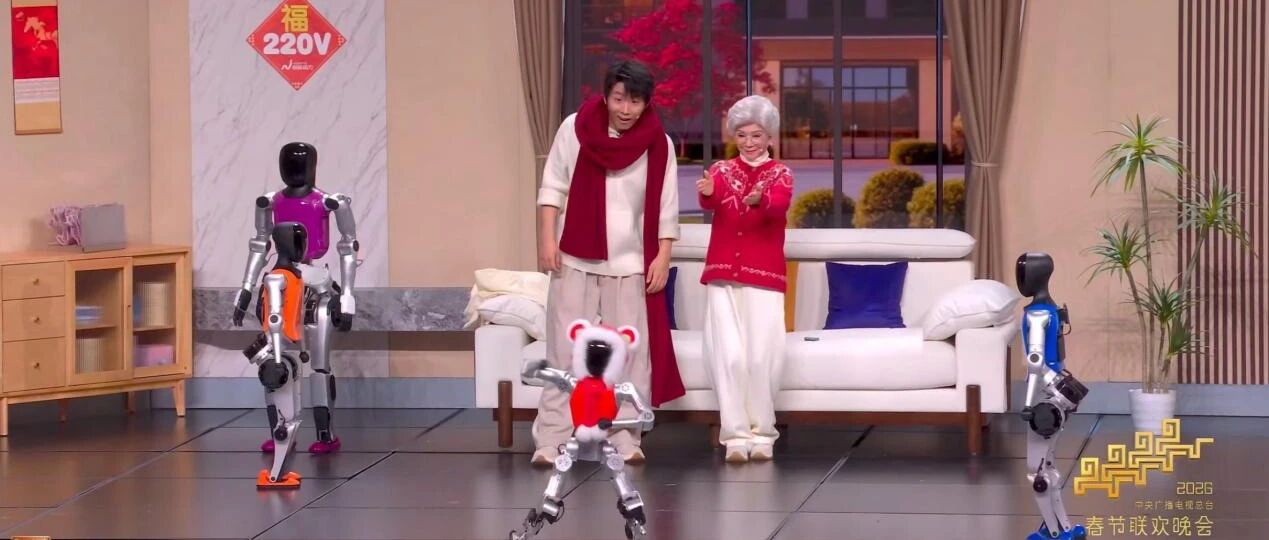
松延动力发布新款高性能人形机器人 定价9998元
Zheng Quan Shi Bao Wang· 2025-10-22 08:57
Group 1 - The core point of the article is that Songyan Power has launched a new humanoid robot named "Bumi Xiaobumi," priced at 9,998 yuan, marking the entry of humanoid robots into the consumer market [1] Group 2 - The launch of the humanoid robot signifies a significant milestone in the robotics industry, indicating a shift towards consumer-grade products [1]
