
ESG指数基金(ETF)

Search documents
中电联张琳:“十五五”期间电力系统调节成本预计达到万亿元级
Jing Ji Guan Cha Wang· 2025-12-25 13:33
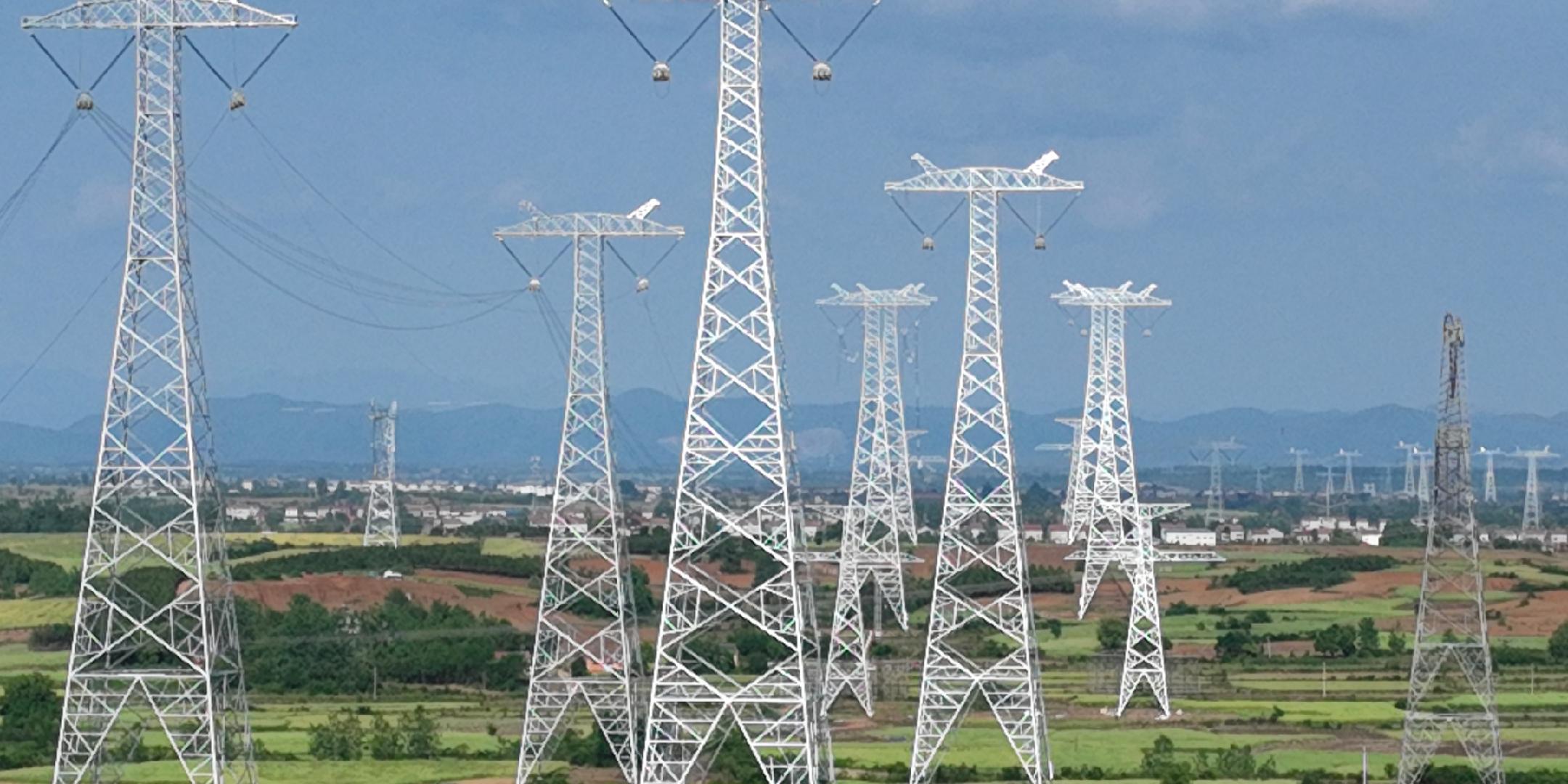
Group 1 - The core viewpoint of the article emphasizes the importance of ensuring energy security and adjusting the supply structure during the 14th Five-Year Plan, which will drive rapid growth in electricity investment [2] - The penetration rate of domestic renewable energy increased from 3.3% to 22% between the 13th and 14th Five-Year Plans, with expectations to reach 30% by 2030 and a total installed capacity of 360 million kilowatts by 2035, adding over 20 million kilowatts annually [2] - The large-scale development of wind and solar power has led to challenges in grid absorption, with some provinces experiencing utilization rates below 90% [2] Group 2 - To address the challenges of renewable energy absorption, it is necessary to enhance the installation of grid-side or shared energy storage and improve storage utilization efficiency [3] - Hydrogen energy technology, while currently not cost-competitive, is expected to be a key development area during the 14th Five-Year Plan, with renewable energy hydrogen production seen as a solution to energy absorption issues [3] Group 3 - Coal power remains the dominant source of electricity supply in China, serving as a stabilizing force for energy security [4] - The proportion of coal power generation is predicted to decrease to 50% of total generation during the 14th Five-Year Plan, with a shift towards system regulation and security supply functions [5] Group 4 - The development of hydropower in key river basins is essential, aiming for an installed capacity of 410 million kilowatts by 2030, alongside the safe and orderly development of nuclear power [6] - Achieving reasonable absorption of renewable energy requires multiple targets, including increasing the share of flexible regulation power sources to 30% by 2030 and enhancing cross-regional power flexibility to over 40 million kilowatts [6] Group 5 - Strengthening grid construction is also a crucial measure to solve renewable energy absorption issues [7] - The construction of inter-provincial flexible mutual assistance projects is expected to be completed during the 14th Five-Year Plan, with the "West-to-East Power Transmission" project anticipated to exceed 460 million kilowatts by 2030 [8]

“能源ESG”指数正式发布
Zheng Quan Shi Bao Wang· 2025-12-25 08:23
Core Viewpoint - The "National Certificate Energy Sustainable Development Index" (Energy ESG) was officially launched, marking a significant step in promoting green and low-carbon transformation in the energy sector [1][2]. Group 1: Index Development - The index was developed by the China Energy Research Society and Shenzhen Securities Information Co., Ltd. [1] - The selection process involved ranking securities based on average daily trading volume and market capitalization, followed by ESG scoring to select the top 50 companies [1]. - The total market capitalization of the 50 sample companies is 5.9 trillion yuan, with an average market capitalization of 118.2 billion yuan [1]. Group 2: Sample Companies - The index includes companies with strong ESG scores, profitability, and growth potential, with 12 companies having a market capitalization exceeding 100 billion yuan [1]. - The top ten companies by weight in the index account for 65% of the total weight, including major players like China Yangtze Power, China Shenhua, and China Petroleum [1]. Group 3: Future Plans - The China Energy Research Society plans to collaborate with leading investment institutions to create ESG index funds (ETFs) that track the Energy ESG index [2]. - The goal is to establish a complete ecosystem that includes standard setting, index representation, and fund empowerment to position the index as a core benchmark for ESG investment in the energy sector [2].