能源可持续发展

Search documents
中国变压器出口“全球领跑”,AI建设潮下全球供应缺口高达30%
第一财经· 2026-03-12 05:36
Core Viewpoint - The article highlights the unprecedented demand for transformers driven by the explosion of AI computing power, with expectations that this trend will continue into 2026 and beyond [2]. Group 1: Global Electricity Demand and Transformer Supply - The International Energy Agency (IEA) predicts that by 2030, global electricity demand will increase significantly, equivalent to more than two times the current electricity consumption of the European Union [2]. - According to Wood Mackenzie, there is currently a 30% supply gap in global power transformers and a 10% gap in distribution transformers [3]. - China has become the world's largest transformer producer, accounting for approximately 60% of global production capacity, with a record export value of 64.6 billion yuan in 2025, marking a nearly 36% increase from the previous year [3]. Group 2: China's Manufacturing Advantage - China's strong delivery capabilities in transformer manufacturing have attracted attention from foreign companies, with Hitachi Energy noting the unprecedented speed of global electricity demand growth [5]. - The global electricity demand is expected to grow by 3% in 2025, with an average annual growth rate of 3.6% from now until 2030, compared to a 2.8% growth rate over the past decade [5]. - The delivery cycle for transformers in the U.S. has extended from 50 weeks to over 120 weeks, while China maintains relative advantages in delivery time, technology, and cost [7]. Group 3: Supply Chain Challenges and Future Outlook - The supply chain for key electrical equipment, including transformers, has faced tight conditions due to long production cycles and simultaneous acceleration of data center and renewable energy projects [6]. - The trend of tight supply for electrical equipment is expected to continue, driven by the acceleration of renewable energy and electrification processes [7]. - Hitachi Energy is expanding its production bases in China to enhance capacity and supply chain resilience, particularly in Southeast Asia and the Middle East, where demand for transformers and digital grid equipment is growing significantly [6]. Group 4: AI and Energy Integration - The rise of AI presents both challenges and opportunities for the energy sector, necessitating a balance between AI innovation and sustainable energy development [9]. - Digitalization will be a core driver in modernizing power systems to address the fluctuations and quality challenges posed by AI loads [9]. - Hitachi Energy is actively involved in China's grid development, contributing to high-voltage transmission projects that efficiently deliver renewable energy from resource-rich areas to load centers [10].

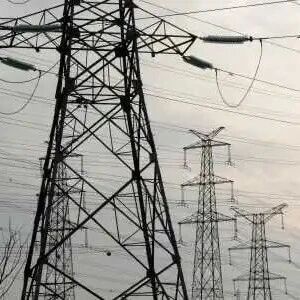
“国证能源可持续发展指数”在北京发布
Zhong Guo Xin Wen Wang· 2025-12-25 15:29
Group 1 - The "CNI Energy Sustainable Development Index" was officially launched at the "Energy Sustainable Development Seminar" held in Beijing, developed by the China Energy Research Society and Shenzhen Securities Information Co., Ltd [1][2] - The index includes 50 sample companies selected based on high ESG scores and strong profitability and growth potential, with a total market capitalization of 5.9 trillion yuan and an average market capitalization of 118.2 billion yuan [1] - The top ten companies by weight in the index account for a combined 65% of the total weight, including major players like China Yangtze Power, China Shenhua, and China Petroleum [1] Group 2 - The index serves as a "barometer" for measuring the sustainable development level of the energy industry and aims to connect industrial transformation with capital empowerment [2] - Future plans include the creation of ESG index funds (ETFs) that track the index, establishing a complete ecosystem of "standards leading - index representation - fund empowerment" to position the index as a core benchmark for ESG investment in the energy sector [2]
“能源ESG”指数正式发布,累计收益率达40%
2 1 Shi Ji Jing Ji Bao Dao· 2025-12-25 13:39
Core Viewpoint - The "CNI Energy Sustainable Development Index" (referred to as "Energy ESG") has been officially launched, aiming to fill the gap in the market for a specialized index focusing on the sustainable development of the energy sector, thereby guiding capital towards key areas such as renewable energy and green technology innovation [1][3]. Group 1: Index Overview - The "Energy ESG" index comprises 50 sample companies selected based on their ESG scores, profitability, and growth potential, with a total market capitalization of 5.9 trillion yuan and an average market capitalization of 118.2 billion yuan [2]. - The top ten companies in the index, including Changjiang Electric Power and China Shenhua, account for 65% of the index's weight [2]. - Since its base date of June 29, 2018, the index has achieved a cumulative return of 40%, with an annualized return of 5%, outperforming major market indices like the CSI 300 and CSI 500 [2]. Group 2: Trends in Energy Sustainability - The energy transition is entering a critical phase, with increasing attention from capital markets on the sustainable development capabilities of energy companies [3]. - Six major trends in energy sustainability have been identified, including the evolution of energy supply and demand patterns, with coal's share in power generation expected to drop below 50% by 2030 [3][4]. - The need for enhanced system regulation and energy storage capabilities is emphasized, with new types of storage solutions becoming increasingly important [4]. - The emergence of new industries and business models in the energy sector is driven by technological advancements, leading to rapid growth in areas such as smart microgrids and green manufacturing [4]. - The collaboration between electricity and carbon markets is being strengthened, with new policies being introduced to enhance resource allocation [4][5]. - The economic implications of energy transition are becoming more pronounced, necessitating a focus on optimizing system economics while ensuring a successful transition [5]. - International competition and cooperation in energy are evolving, with increased global interconnectivity and trade in new energy products like hydrogen [5]. Group 3: Company Initiatives - Changjiang Electric Power has set a target for its six hydropower stations to generate 2,959 billion kilowatt-hours by June 2024, which is projected to reduce carbon emissions by 243 million tons [6]. - China Shenhua has implemented a "mining while rehabilitating" model in its mining operations, achieving a 100% rehabilitation rate over 3,300 hectares, with vegetation coverage increasing from 20% to 80% [6].





中电联张琳:“十五五”期间电力系统调节成本预计达到万亿元级
Jing Ji Guan Cha Wang· 2025-12-25 13:33
Group 1 - The core viewpoint of the article emphasizes the importance of ensuring energy security and adjusting the supply structure during the 14th Five-Year Plan, which will drive rapid growth in electricity investment [2] - The penetration rate of domestic renewable energy increased from 3.3% to 22% between the 13th and 14th Five-Year Plans, with expectations to reach 30% by 2030 and a total installed capacity of 360 million kilowatts by 2035, adding over 20 million kilowatts annually [2] - The large-scale development of wind and solar power has led to challenges in grid absorption, with some provinces experiencing utilization rates below 90% [2] Group 2 - To address the challenges of renewable energy absorption, it is necessary to enhance the installation of grid-side or shared energy storage and improve storage utilization efficiency [3] - Hydrogen energy technology, while currently not cost-competitive, is expected to be a key development area during the 14th Five-Year Plan, with renewable energy hydrogen production seen as a solution to energy absorption issues [3] Group 3 - Coal power remains the dominant source of electricity supply in China, serving as a stabilizing force for energy security [4] - The proportion of coal power generation is predicted to decrease to 50% of total generation during the 14th Five-Year Plan, with a shift towards system regulation and security supply functions [5] Group 4 - The development of hydropower in key river basins is essential, aiming for an installed capacity of 410 million kilowatts by 2030, alongside the safe and orderly development of nuclear power [6] - Achieving reasonable absorption of renewable energy requires multiple targets, including increasing the share of flexible regulation power sources to 30% by 2030 and enhancing cross-regional power flexibility to over 40 million kilowatts [6] Group 5 - Strengthening grid construction is also a crucial measure to solve renewable energy absorption issues [7] - The construction of inter-provincial flexible mutual assistance projects is expected to be completed during the 14th Five-Year Plan, with the "West-to-East Power Transmission" project anticipated to exceed 460 million kilowatts by 2030 [8]
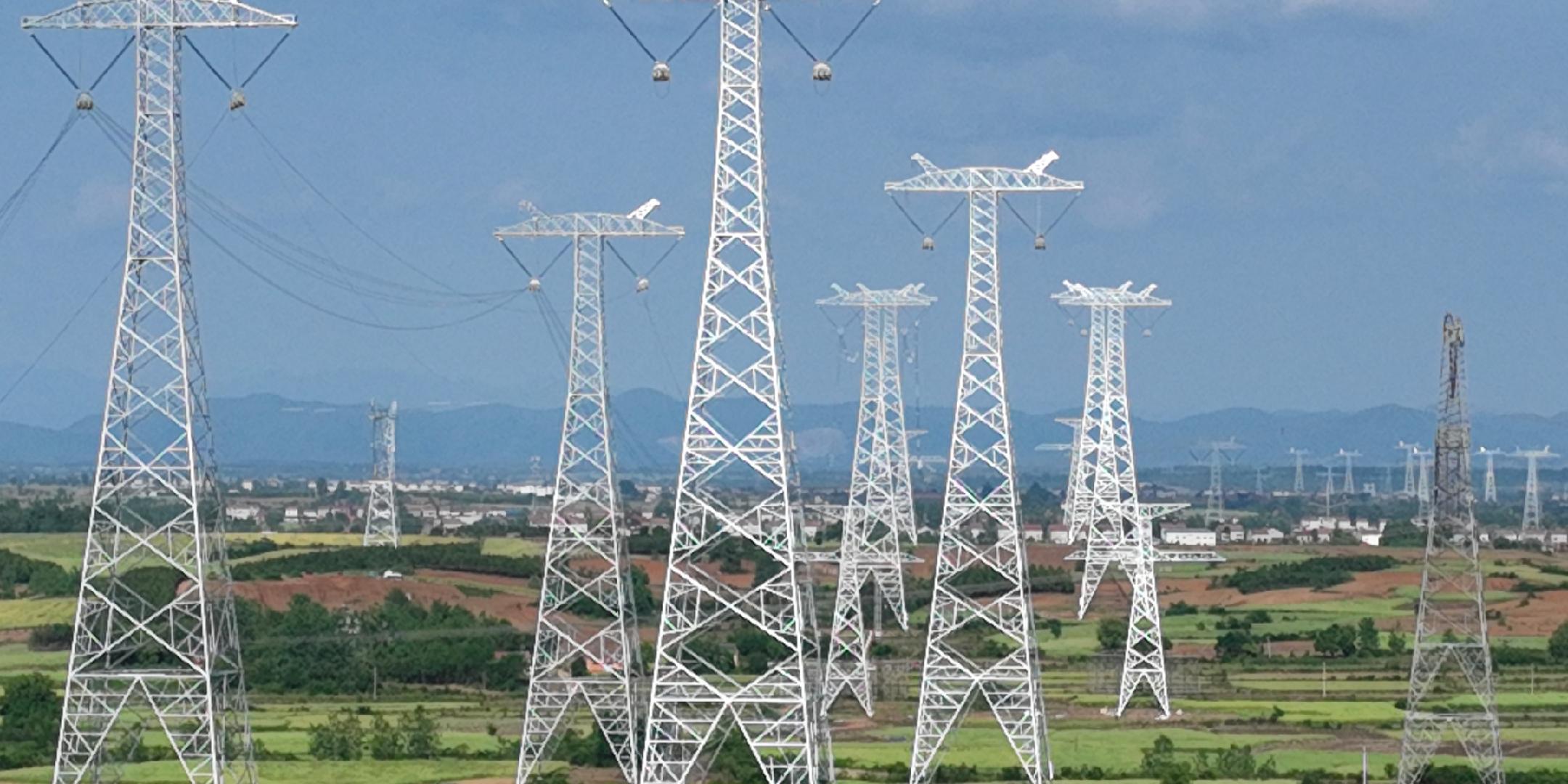
“能源ESG”指数正式发布
Zheng Quan Shi Bao Wang· 2025-12-25 08:23
Core Viewpoint - The "National Certificate Energy Sustainable Development Index" (Energy ESG) was officially launched, marking a significant step in promoting green and low-carbon transformation in the energy sector [1][2]. Group 1: Index Development - The index was developed by the China Energy Research Society and Shenzhen Securities Information Co., Ltd. [1] - The selection process involved ranking securities based on average daily trading volume and market capitalization, followed by ESG scoring to select the top 50 companies [1]. - The total market capitalization of the 50 sample companies is 5.9 trillion yuan, with an average market capitalization of 118.2 billion yuan [1]. Group 2: Sample Companies - The index includes companies with strong ESG scores, profitability, and growth potential, with 12 companies having a market capitalization exceeding 100 billion yuan [1]. - The top ten companies by weight in the index account for 65% of the total weight, including major players like China Yangtze Power, China Shenhua, and China Petroleum [1]. Group 3: Future Plans - The China Energy Research Society plans to collaborate with leading investment institutions to create ESG index funds (ETFs) that track the Energy ESG index [2]. - The goal is to establish a complete ecosystem that includes standard setting, index representation, and fund empowerment to position the index as a core benchmark for ESG investment in the energy sector [2].
上合组织天津峰会丨上海合作组织成员国元首理事会关于能源可持续发展的声明
Xin Hua She· 2025-11-20 01:26
Core Points - The Shanghai Cooperation Organization (SCO) member states emphasize the need to maintain energy security and market stability while promoting fair energy transformation according to national conditions [2][3] - The declaration reaffirms commitment to the United Nations 2030 Sustainable Development Agenda Goal 7, ensuring access to affordable, reliable, and sustainable modern energy for all [2] - The member states call for expanded cooperation in practical collaboration, technological innovation, and capacity building to achieve sustainable energy development [3] Group 1 - The global energy landscape is undergoing profound adjustments, necessitating a focus on energy security and ecological protection [2] - Member states aim to implement joint projects in the energy sector, including the construction of new energy infrastructure and upgrading existing facilities [3] - There is a call for investment cooperation based on the priority development directions of each member state [3] Group 2 - The cooperation will include exploration, development, utilization, and maintenance of energy resources, as well as trade, project investment, construction, and operation [3] - The member states emphasize the importance of developing and utilizing advanced energy technologies and fostering research collaboration among SCO member research institutions [3] - There is a focus on strengthening professional talent training and creating favorable conditions for sharing experiences, knowledge, and technological achievements in the energy sector [3]
中国风光装机已达约17亿千瓦
Zhong Guo Xin Wen Wang· 2025-09-26 07:47
Core Insights - As of the end of August, China's cumulative installed solar power capacity reached 1.12 billion kilowatts, representing a year-on-year growth of 48.5%, while wind power capacity reached 580 million kilowatts, with a year-on-year increase of 22.1% [1] - The total installed capacity of solar and wind power combined is approximately 1.7 billion kilowatts, equivalent to the total capacity of over 70 Three Gorges power stations [1] - In conjunction with the 10th anniversary of the Paris Agreement, China announced new national contributions, aiming for non-fossil energy consumption to account for over 30% of total energy consumption by 2035, and to increase total installed capacity of wind and solar power to over six times that of 2020, targeting 3.6 billion kilowatts [1] - The new targets for 2035 are based on scientific calculations reflecting energy growth trends and structural transformation needs, showcasing China's foresight and ambition in sustainable energy development [1] - China possesses the industrial foundation, technological advantages, and market scale necessary to achieve these new targets, supported by a complete industrial chain, leading technologies, and continuous innovation capabilities [1]
建信期货钢材日评-20250903
Jian Xin Qi Huo· 2025-09-03 03:18
Report Information - Report Type: Steel Daily Review [1] - Date: September 3, 2025 [2] - Research Team: Black Metal Research Team [3] - Researchers: Zhai Hepan, Nie Jiayi, Feng Zeren [3] 1. Market Review and Future Outlook 1.1 Spot Market Dynamics and Technical Analysis - On September 2, some rebar and hot-rolled coil spot markets saw price drops. Rebar prices in Changsha dropped by 30 yuan/ton, and in other cities by 10 - 20 yuan/ton. Hot-rolled coil prices in some cities dropped by 10 - 20 yuan/ton, while in Shenyang, it rose by 10 yuan/ton [8]. - The daily KDJ indicators of rebar 2601 contract showed a split trend, with the J value rebounding, the K value nearly flat, and the D value continuing to decline. The daily KDJ indicators of hot-rolled coil 2601 contract continued to decline after a dead cross the previous day. The daily MACD green bars of both contracts have been expanding [8]. 1.2 Future Outlook - News: Recently, some northern steel mills started the first round of coke purchase price cuts, and iron ore spot prices also showed a weakening trend [9]. - Fundamentals: The production and demand of the five major steel products continued to rise slightly, while the steel mill inventory continued to decline slightly, but the social inventory reached a new high since early May. The blast furnace capacity utilization rate and daily hot metal output decreased slightly but remained at a high level. Since early August, steel mill profits have generally declined by 140 - 200 yuan/ton, which has a suppressing effect on raw material prices. Steel mill iron ore inventories have declined for two consecutive weeks, and the purchasing sentiment has turned flat. After the eighth round of coke spot price increase, there are rumors that Hebei steel mills plan to conduct the first round of coke price cuts on September 5. Mongolia will increase coal exports to China, causing coke and coking coal futures to turn weak again [10]. - Overall: Recently, the production restrictions in Beijing-Tianjin-Hebei, Shandong, and Henan were not as effective as previously shown in the market. Constrained by the under - expected demand in the steel spot market and the significant narrowing of steel mill profits, the steel market in the early part of September will face pressure from weak demand and the loss of cost support. However, this situation is unlikely to continue after mid - September. There is hope for a long - term slow - bull market in the steel market from mid - September to November, similar to the domestic stock index slow - bull trend from April to August [11]. 2. Industry News - The Shanghai Cooperation Organization member states issued a statement on energy sustainable development on September 1, calling for deeper cooperation in the energy field [12]. - On September 2, the China Federation of Logistics and Purchasing released the logistics industry prosperity index for August, which expanded significantly. The business volume index and new order index continued to expand [12]. - Tianfeng Securities gave a "Buy" rating to China Shenhua, citing its integrated operation model, stable coal and power businesses, and high - return profit distribution plan [12]. - Five major traditional power generation companies achieved a total net profit of 24.267 billion yuan in the first half of 2025, a new high since 2016 [13]. - According to CITIC Securities, the total net profit of sample coal companies decreased by about 32% year - on - year and 15% quarter - on - quarter in the first half of the year. However, the industry's supply - demand pattern may improve in the second half, and the coal price center may rise [13]. - The 62 - day railway summer transportation ended on August 31, with passenger and freight volumes reaching record highs [13]. - In July 2025, the total import and export volume of automobile products was 24.98 billion US dollars, with exports showing significant growth [13]. - Fenix Resources signed a mining rights agreement with Sinosteel Midwest Corporation [13]. - India's power generation increased by 4% in August, and the proportion of coal - fired power generation rose [13]. - Russia's Yakutia region plans to increase coal production to over 50 million tons in 2025 [13]. - In July 2025, global pig iron production decreased by 0.2% month - on - month and 4.4% year - on - year [13]. - The EU is taking measures to ensure that Russian gas will not be mixed into its supply system after the 2027 ban [14]. 3. Data Overview - The report provides multiple data charts including spot prices, social inventories, production, and capacity utilization rates of steel products, with data sources from Mysteel and the research and development department of Jianxin Futures [16][18][25]
上合组织成员国元首理事会关于能源可持续发展的声明
Xin Hua Wang· 2025-09-02 04:02
Core Viewpoint - The Shanghai Cooperation Organization (SCO) member states emphasize the need for sustainable energy development and call for expanded cooperation in various areas to enhance energy security and promote fair energy transition [3][4]. Group 1: Practical Cooperation - Member states advocate for the implementation of joint projects in the energy sector, including the construction of new energy infrastructure and the upgrading of existing facilities, based on mutually beneficial conditions [3][4]. Group 2: Technological Innovation Cooperation - There is a push for the development and application of advanced energy technologies, with a focus on attracting research institutions from SCO member states to engage in studies related to energy resource exploration, development, trade, and project investment [4] . Group 3: Capacity Building - The member states emphasize the importance of strengthening cooperation in professional talent training, creating favorable conditions for the exchange of experiences, knowledge, best practices, and technological achievements in the energy sector [4].
上海合作组织成员国元首理事会关于能源可持续发展的声明
国家能源局· 2025-09-02 03:50
Core Viewpoint - The Shanghai Cooperation Organization (SCO) member states emphasize the need for energy security and market stability while promoting a fair energy transition tailored to national conditions, aiming to enhance the well-being of their people and protect the environment [2][3]. Group 1: Practical Cooperation - Member states call for the expansion of practical cooperation in the energy sector, including the implementation of joint projects for new energy infrastructure and upgrading existing facilities based on mutual benefits [2]. Group 2: Technological Innovation - There is a push for cooperation in technological innovation, focusing on the development and application of advanced energy technologies, and encouraging research by SCO member state scientific institutions [4]. Group 3: Capacity Building - The member states aim to strengthen cooperation in professional talent training, creating favorable conditions for the exchange of experiences, knowledge, best practices, and technological achievements in the energy sector [5]. Group 4: High-Level Joint Research - The Chinese side has proposed the implementation of high-level joint research projects in the energy sector by 2030, including seminars and training programs, to address global energy agenda issues and promote a fair and sustainable energy development model [6].