EVAHEART

Search documents
人工心脏掀起术语争议,“全磁悬浮”概念陷入技术迷雾
Hua Xia Shi Bao· 2025-12-18 07:30
Core Viewpoint - The article discusses the controversy surrounding the terminology and classification of artificial heart pump technologies, particularly the term "full magnetic suspension," which has implications for patient safety and scientific transparency [1][10]. Industry Overview - Heart failure is a terminal stage of cardiovascular disease, with approximately 5% of cases progressing to severe heart failure. The World Health Organization estimates around 64.3 million heart failure patients globally, with about 13 million in China [2]. - Artificial hearts serve as a "life pump" for end-stage heart failure patients, designed to replace the heart temporarily or permanently, facilitating blood circulation [2]. - There are two types of artificial hearts: partial replacement and total artificial hearts, with the latter being more advanced in terms of technology [2]. Technology Classification - Blood pump bearings are categorized into three main types: contact sliding bearings, fluid dynamic bearings, and magnetic bearings. The latter operates without contact, relying solely on magnetic forces [3]. - The term "full magnetic suspension" is considered the industry benchmark, associated with advanced and safe technologies. However, the precise definition of this term is under dispute [3][10]. - Kurt Dasse emphasizes that if a device requires fluid dynamic effects for stability, it cannot be classified as "full magnetic suspension" [3]. Clinical Implications - The ambiguity surrounding the definition of "full magnetic suspension" may affect the accurate assessment of device performance by clinicians and researchers [10]. - Abbott's HeartMate 3 is highlighted as a benchmark in the industry, demonstrating significant clinical advantages over other devices [11]. - A systematic review comparing three ventricular assist devices showed that HeartMate 3 had the best performance across all major clinical endpoints, reinforcing the link between technology choice and clinical outcomes [11]. Market Competition - Abbott leads the global market with its HeartMate 3 product, while Chinese companies are increasingly participating in the artificial heart sector, with several products approved since 2021 [12][13]. - Major domestic companies are adopting different technological routes, with notable products like the CH-VAD and CorHeart 6 entering the market [12][13]. - The potential market for artificial hearts in China is substantial, with projections indicating that by 2033, the number of implant surgeries could exceed 25,000, corresponding to a market size of over 5.5 billion yuan [14]. Future Outlook - The choice of technology route will significantly influence industry competition, with full magnetic suspension technology being a key focus area [14]. - The transparency and standardization of technology definitions are crucial for building trust among companies and ensuring accurate evaluations by researchers and clinicians [14][15]. - Ongoing discussions aim to standardize definitions and identify high-risk components in various designs, which is essential for independent assessments and patient safety [15].



全球首植!基于独特波浪膜技术的左心室辅助装置
思宇MedTech· 2025-07-14 08:25
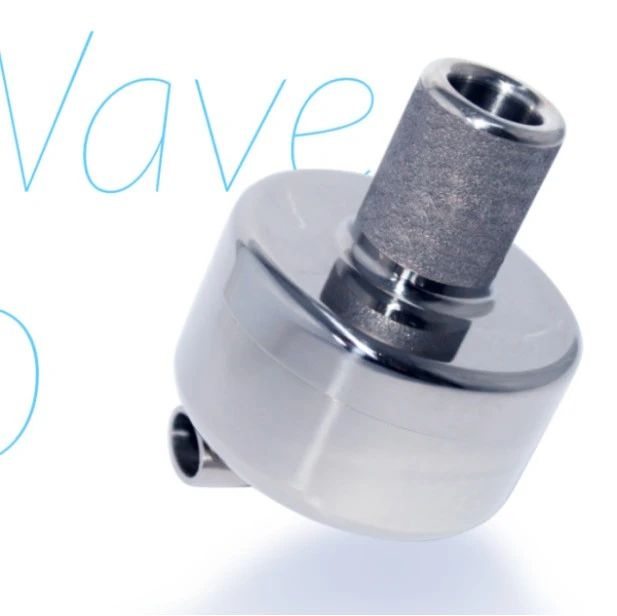
Core Insights - CorWave has successfully completed the world's first human implantation of its innovative LVAD based on unique wave membrane technology in Australia, marking a significant milestone in sustainable mechanical circulatory support technology [1][2][4] - The CorWave LVAD is designed to significantly reduce common severe complications associated with existing LVADs, such as stroke, bleeding, heart failure, and valve disease, while improving patient quality of life and promoting heart function recovery [4][9] - The device operates at an average blood flow rate of 5-6 L/min, providing comprehensive support for patients with advanced heart failure, and is capable of dynamically adjusting blood flow based on the patient's condition [9][12] Clinical Research - CorWave LVAD has demonstrated excellent preclinical results, having safely operated in animal models for six months without any device-related complications or thrombosis, indicating its potential for clinical application [18] - The device's unique control algorithms allow for synchronized support with the patient's heartbeat, enhancing its reliability and safety [18] Market Overview - The global LVAD market was valued at approximately $2.38 billion in 2023 and is projected to grow to $5.5 billion by 2035, with a compound annual growth rate (CAGR) of 7.23% [18][20] - North America held the largest market share in 2020, while the Asia-Pacific region is expected to achieve the highest CAGR of 19.3% in the coming years due to improvements in medical facilities and government support for medical technology [20] Competitor Landscape - As of now, four domestic companies have received approval for implantable LVADs in China, including Yongrenxin Medical, Tongxin Medical, Aerospace Taixin, and Core Medical [21] - Yongrenxin Medical's EVAHEART is the only approved artificial heart in China that can be used for both short-term and long-term treatment, showcasing significant clinical success [22][24] - Tongxin Medical's CH-VAD, which utilizes next-generation magnetic levitation technology, has broken Abbott's monopoly in the market and has gained international recognition for its performance [29]