Graviton系列

Search documents
国资接盘!国产 ARM 大芯片转机来了?
是说芯语· 2026-01-10 01:05
Core Viewpoint - The article discusses the recent developments of Borui Jinxin, a chip company that faced financial difficulties but is now reportedly recovering with new investments and support from state-owned enterprises, raising questions about the potential resurgence of ARM CPU manufacturers and the broader chip industry in China [1][2]. Group 1: Borui Jinxin's Recovery - Borui Jinxin has reportedly cleared previous debts and resumed operations after receiving new investments, indicating a potential recovery from its financial troubles [1][2]. - The company has received strategic support from the Zhuhai State-owned Assets Supervision and Administration Commission, marking a significant turnaround [1][2]. Group 2: Chip Industry Trends - The Chinese chip design industry has seen substantial growth, with the number of chip design companies increasing from 1,780 in 2018 to an expected 3,901 by 2025, driven by domestic policies and the rise of AI and ARM technology [2]. - ARM architecture has gained recognition across various applications, including embedded systems, mobile devices, PCs, and servers, particularly in the context of AI and cloud computing [2][3]. Group 3: ARM Server Chip Market - IDC predicts a 70% increase in ARM-based server shipments by 2025, with ARM aiming for nearly 50% of computing power in top-tier data centers to be based on its architecture [3][4]. - AWS has significantly integrated ARM-based Graviton chips into its infrastructure, with 50% of new AWS instances running on these custom ARM chips, highlighting the growing acceptance of ARM in the server market [4][11]. Group 4: Challenges and Opportunities - The challenges faced by companies like Borui Jinxin include high design costs for advanced SoCs, with costs rising dramatically as technology nodes shrink, making it difficult for startups to secure funding [9][10]. - Despite past difficulties, the demand for ARM server chips is increasing in China, driven by the need for efficient, low-power solutions in data centers, presenting opportunities for companies like Borui Jinxin [10][11]. Group 5: Competitive Landscape - ARM's licensing model offers significant advantages, with companies able to develop custom CPUs through instruction set licensing, which can lead to superior performance compared to standard ARM designs [12]. - The current lack of a robust RISC-V ecosystem provides Borui Jinxin with a unique opportunity to leverage its ARM instruction set authorization to compete effectively in the server chip market [11][12].


博瑞晶芯,卷土重来了
半导体芯闻· 2026-01-09 10:55
Core Viewpoint - The article discusses the recent resurgence of Borui Jinxin, a chip company that previously faced financial difficulties but has now received new investments and cleared debts, indicating a potential turnaround in the Chinese chip industry, particularly for ARM CPU manufacturers [1][9]. Group 1: Industry Trends - The Chinese chip design industry has seen significant growth, with the number of chip design companies increasing from 1,780 in 2018 to 2,218 in 2020, and projected to reach 3,901 by 2025, reflecting a compound annual growth rate [2]. - Factors driving this growth include the rise of artificial intelligence, the maturity of RISC-V, and the electrification and intelligence of vehicles, with ARM high-performance chips being a standout segment [2][10]. - ARM architecture has gained recognition across various applications, including embedded systems, mobile devices, PCs, and servers, particularly in the context of AI and cloud computing [2][10]. Group 2: Market Dynamics - IDC predicts a 70% increase in server shipments based on ARM architecture by 2025, with ARM aiming for nearly 50% of computing power in top-tier data centers to be ARM-based by the same year [3]. - Major cloud service providers like AWS, Google, and Microsoft are increasingly adopting ARM server CPUs, indicating a favorable market environment for ARM chips [4][10]. - Despite the challenges faced by domestic companies like Borui Jinxin, the demand for ARM server chips is on the rise in China, driven by the need for domestic alternatives and advancements in AI technology [10]. Group 3: Challenges and Opportunities - The design and production of advanced SoCs (System on Chips) present significant challenges, particularly as the industry moves towards sub-5nm processes, which dramatically increase design costs and complexity [6][8]. - The cost of designing chips has escalated, with design costs rising from $90 million for 16nm to $249 million for 7nm, and projected to reach $725 million for 2nm, making it difficult for startups to secure funding [8][9]. - Despite past difficulties, Borui Jinxin's recent investment and strategic support from state-owned enterprises may provide a unique opportunity to leverage its ARM instruction set authorization and compete in the server chip market [11].
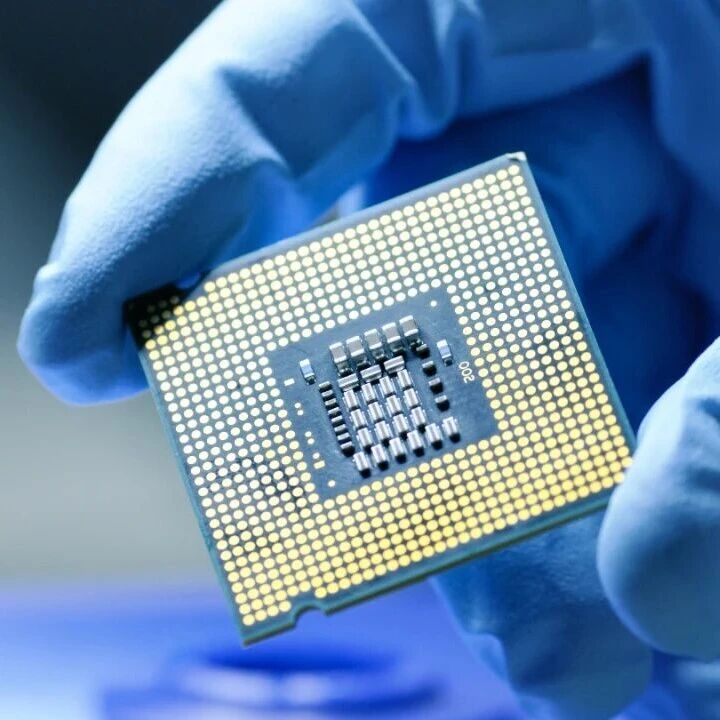
从停摆到回归:国产ARM大芯片,机会来了!
国芯网· 2026-01-09 09:50
Core Viewpoint - The article discusses the revival of the Chinese semiconductor industry, focusing on the return of Borui Jinxin after overcoming financial difficulties and the broader implications for ARM CPU manufacturers and the semiconductor sector as a whole [2][6]. Group 1: Industry Trends - The Chinese chip design industry has seen significant growth, with the number of chip design companies increasing from 1,780 in 2019 to an expected 3,901 by 2025, reflecting a compound annual growth rate (CAGR) of approximately 24.6% from 2019 to 2025 [3]. - Factors driving this growth include the rise of artificial intelligence, the maturity of RISC-V, and the electrification and intelligence of vehicles, with ARM high-performance products being a standout segment [3][12]. Group 2: ARM Architecture and Market Dynamics - ARM architecture has gained recognition across various applications, including embedded systems, mobile devices, PCs, and servers, particularly in the context of AI and cloud computing [4][12]. - IDC predicts a 70% increase in server shipments based on ARM architecture by 2025, with nearly 50% of computing power in top-tier data centers expected to be ARM-based by the same year [4][5]. Group 3: Challenges and Opportunities for Domestic Companies - Domestic companies like Borui Jinxin face challenges in SoC design due to the high costs associated with advanced manufacturing processes, with design costs escalating from $9 million at 16nm to $249 million at 7nm, and potentially reaching $725 million at 2nm [10][11]. - Despite a cautious investment environment, Borui Jinxin has secured new funding, raising questions about the future opportunities for domestic ARM chip manufacturers in the evolving market landscape [11][14]. Group 4: Competitive Landscape - The article highlights the competitive advantage of Borui Jinxin due to its access to ARM instruction set licensing, which allows for greater autonomy in CPU development compared to competitors relying solely on IP licensing [14]. - Major cloud service providers like AWS, Google, and Microsoft are increasingly adopting ARM-based server CPUs, indicating a growing acceptance and demand for ARM architecture in the market [12][13].