H100系列芯片

Search documents
英伟达打了一剂强心针,投资者却越来越恐慌
投中网· 2025-11-21 08:22
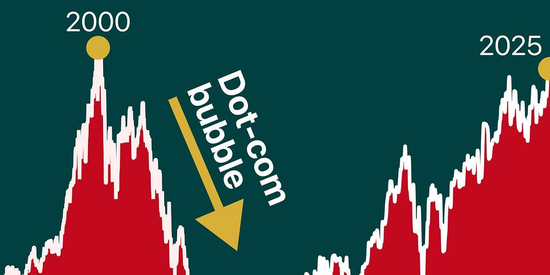
Core Viewpoint - The article discusses the recent performance of Nvidia and its implications for the AI market, highlighting both the strong quarterly results and the ongoing concerns about a potential AI bubble [4][6][22]. Financial Performance - Nvidia reported a third-quarter revenue of $35.1 billion, with data center revenue contributing $30.8 billion, a year-on-year increase of 112%, significantly exceeding Wall Street's expectation of $28.82 billion [9]. - The non-GAAP earnings per share were $0.81, up 103% year-on-year, and net profit reached $19.3 billion, a substantial increase from $9.24 billion in the same period last year [9]. - For the upcoming fourth quarter, Nvidia expects revenue of $37.5 billion (with a 2% margin of error) and a gross margin of 73.5%, indicating strong confidence in future growth [9][10]. Market Reaction - Following Nvidia's earnings report, the stock price surged by 5% in after-hours trading, reversing a previous three-week decline of 10% [6]. - However, the positive market reaction was short-lived, with the Nasdaq dropping 2.15% and Nvidia's stock falling by 3.2% the following day [6][7]. AI Market Dynamics - Nvidia's strong performance is seen as a sign of continued growth in the AI market, alleviating some concerns about an "AI bubble" [6][17]. - The company has delivered 13,000 samples of its new Blackwell architecture chips, which are expected to drive significant revenue in the upcoming quarter [10]. - Nvidia's data center business has surpassed $50 billion in quarterly sales, indicating robust investment in AI infrastructure globally [17]. Investor Sentiment - Despite Nvidia's strong results, investor sentiment remains cautious, with concerns about the sustainability of AI investments and the potential for a market correction [16][20]. - Approximately 45% of global fund managers believe there is an "AI bubble," raising questions about the health of the market [20]. Industry Challenges - Nvidia faces challenges related to supply chain management and the need for substantial capital investments to meet growing demand for AI systems [14]. - The company is also navigating concerns about the sustainability of AI companies that are heavily investing in infrastructure but may not deliver proportional returns [19][23]. Broader Economic Context - The article draws parallels between the current AI investment climate and the internet bubble of the early 2000s, with warnings from economists about potential overvaluation [22]. - However, contrasting views from figures like Federal Reserve Chair Jerome Powell suggest that the current situation differs due to the presence of actual profits among high-valuation companies [22].


英伟达打了一剂强心针,投资者却越来越恐慌|硅谷观察
Xin Lang Ke Ji· 2025-11-20 23:36
Core Viewpoint - Huang Renxun's influence on the U.S. stock market and economy is now considered greater than that of Elon Musk, particularly following Nvidia's impressive earnings report [1][12]. Group 1: Nvidia's Earnings Report - Nvidia reported a third-quarter revenue of $35.1 billion, with the data center segment contributing $30.8 billion, a year-on-year increase of 112%, significantly surpassing Wall Street's expectation of $28.82 billion [7]. - The non-GAAP earnings per share were $0.81, up 103% year-on-year, and net profit reached $19.3 billion, compared to $9.24 billion in the same period last year [7]. - Nvidia's forecast for the fourth quarter is $37.5 billion in revenue, with a gross margin of 73.5%, exceeding Wall Street's estimates and indicating strong confidence in future business growth [7][9]. Group 2: Market Reaction - Following the earnings report, Nvidia's stock surged by 5% in after-hours trading, reversing a previous 10% decline over the past three weeks [4]. - However, the positive impact was short-lived, as the Nasdaq fell by 2.15% and the S&P 500 dropped by 1.56% the following day, with Nvidia's stock declining by 3.2% [6]. - The Cboe Volatility Index reached its highest level since April, indicating heightened investor anxiety [6]. Group 3: AI Market Dynamics - Huang Renxun emphasized the strong demand for Nvidia's new Blackwell architecture, which is expected to become a significant growth driver, with predictions of "billions" in revenue from Blackwell in the upcoming quarter [9][10]. - Nvidia has delivered 13,000 samples of the Blackwell chips to customers, and the new architecture boasts a 30-fold improvement in AI inference performance compared to the previous H100 series [9]. - The data center business, crucial for AI GPU sales, saw a quarterly sales increase of 66%, surpassing $50 billion for the first time, indicating robust global investment in AI infrastructure [13][14]. Group 4: Concerns Over AI Bubble - Despite Nvidia's strong performance, concerns about an "AI bubble" persist, with investors worried about the sustainability of AI spending and the delayed returns on investment [13][18]. - The Nasdaq has dropped nearly 5% this month, with other AI-related stocks like AMD and Oracle experiencing significant declines [13]. - Analysts have noted that while Nvidia's fundamentals remain strong, the overall market sentiment is cautious, with many investors fearing a repeat of the internet bubble [17][18]. Group 5: Strategic Investments - Nvidia has made substantial investments in AI startups, including a $10 billion investment in Anthropic, which will help the company procure Microsoft’s computing power [10]. - The company’s annual free cash flow has exceeded $80 billion, prompting discussions on how to allocate this capital effectively [16]. - Nvidia's strategy of providing loans to suppliers and startups has raised concerns about the sustainability of the AI sector, as it creates a cycle of debt and dependency on Nvidia's chips [16][17].