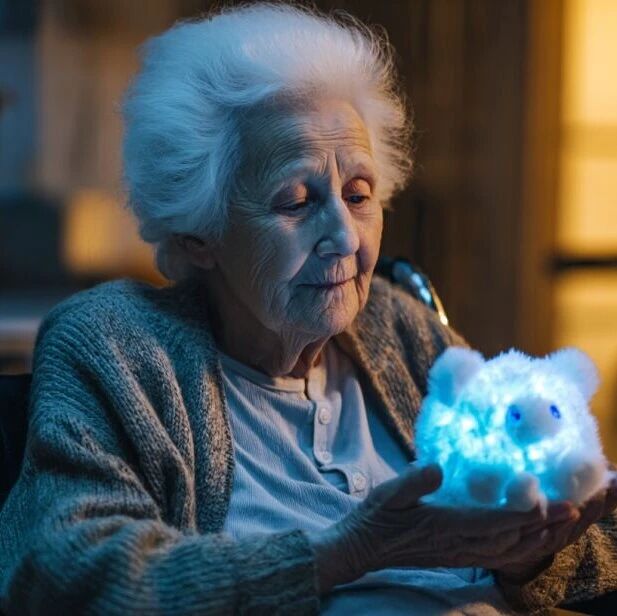
Hyodol机器人

Search documents
当科技养老成为新趋势,中国如何书写本土答案?
3 6 Ke· 2025-12-31 12:09
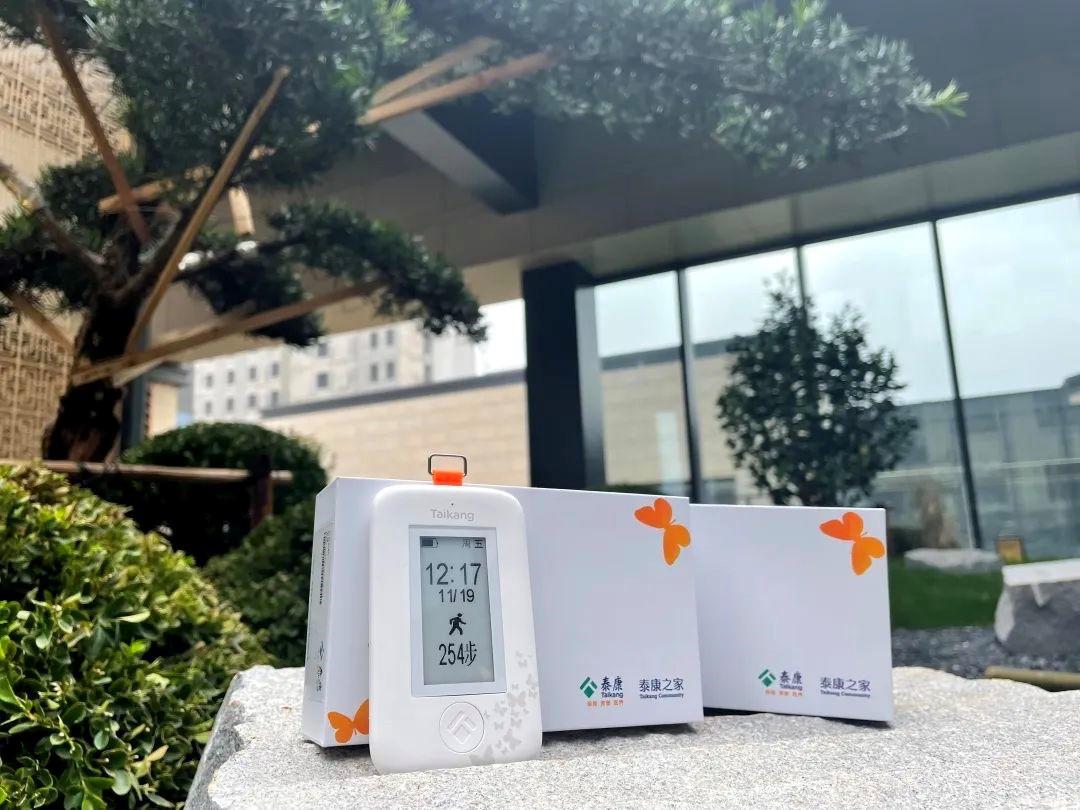
Core Insights - The article discusses the emerging trend of technology in elder care, highlighting the integration of AI and robotics to address key challenges in the industry [1][2][3] Group 1: Technology in Elder Care - Inspiren, a startup in the U.S., has developed an integrated solution that addresses core pain points in elder communities using AI predictive engines [1][2] - The company has rapidly expanded, entering 150 regular elder care communities and 33 dementia care communities within 18 months, raising over $155 million in funding [2] - Japan is also leveraging technology in elder care, with significant government investment in robotic care solutions, including over $300 million by 2018 [2] Group 2: Aging Population in China - By the end of 2024, China's population aged 60 and above is projected to reach 310 million, accounting for 22% of the total population [4] - The proportion of empty-nest elderly individuals has reached 54%, with over 12 million living alone [4] Group 3: Challenges in Healthcare System - China's healthcare system faces challenges such as fragmentation, low chronic disease control rates, and high risks associated with polypharmacy [5] - The need for a comprehensive primary care system is emphasized as a key solution to address aging-related healthcare demands [5] Group 4: Integration of Medical and Elder Care - The concept of "medical-elderly integration" is proposed as a new approach, with high-quality elder care communities increasingly incorporating professional rehabilitation and general hospitals [6] - This integration aims to provide timely medical support within elder care facilities, enhancing overall care quality [6] Group 5: Innovative Payment Models - The "Happiness Appointment" product by Taikang links insurance with elder care community services, allowing seniors to secure long-term care while managing financial pressures [19][24] - This model has seen significant market acceptance, with over 300,000 units sold, addressing the financial concerns of families seeking quality elder care [19] Group 6: Industry Dynamics and Sustainability - The elder care industry is characterized by a disparity between high demand and insufficient quality services, with many institutions struggling financially [21][22] - The article highlights the importance of sustainable business models that balance profitability with social responsibility, particularly in the context of aging populations [25]


当AI与老人相爱,谁来为“爱”买单?
Hu Xiu· 2025-10-17 04:50
Core Viewpoint - The incident involving an elderly man who died while attempting to meet an AI chatbot named "Big Sis Billie" highlights the ethical and commercial tensions surrounding AI companion robots [4][22]. Group 1: Market Potential and Demand - The global AI companion application revenue reached $82 million in the first half of 2025, with expectations to exceed $120 million by the end of the year [6]. - The aging population, particularly solitary and disabled elderly individuals, creates a significant demand for emotional support and health monitoring, positioning AI companion robots as a new growth point in the elderly care industry [8][9]. - The potential user base for AI companion robots exceeds 100 million, with approximately 44 million disabled elderly, 37.29 million solitary elderly, and 16.99 million Alzheimer's patients in China alone [9]. Group 2: Product Development and Functionality - AI companion robots have evolved from simple emotional chatting to multi-dimensional guardianship, integrating health monitoring and safety alert features [10][11]. - The continuous enhancement of product functionalities aligns with the multi-layered needs of elderly users, increasing their willingness to pay and the market value of these solutions [11]. Group 3: Growth Trends and Projections - The global AI elderly companion robot market is projected to grow from $212 million in 2024 to $3.19 billion by 2031, with a compound annual growth rate (CAGR) of 48% [12]. - The rapid growth of the market indicates that it is in the early stages of explosive growth, with China potentially becoming the largest single market due to its aging population and technological adoption [12]. Group 4: Ethical Considerations - The rise of AI companion robots raises ethical concerns regarding emotional authenticity, data privacy, and responsibility allocation [22][23]. - The emotional responses generated by AI are based on algorithmic pattern matching rather than genuine human emotions, which may lead to users becoming detached from real social interactions [23]. - The collection of sensitive personal data by AI companion robots poses significant privacy risks, as evidenced by incidents of unauthorized data sharing [24]. Group 5: Future Directions - The development of AI companion robots is moving towards emotional intelligence, multi-modal interactions, and specialized application scenarios [14]. - Future AI companions are expected to build stable, customizable personalities and long-term memory for users, enhancing the depth of interaction [15][16]. - The integration of physical entities and mixed-reality environments is anticipated to enhance the immersive experience of companionship [19][20].

亿万老人的孤独,被会说话的洋娃娃填补?
创业邦· 2025-09-27 04:14
Core Insights - The article discusses the growing demand for AI companionship for the elderly, highlighting the emotional needs of seniors in the context of an aging population [10][16][26] - It emphasizes the potential market for AI companionship in China, estimating a demand of approximately 420 billion RMB [14] - The article also points out the limitations of current AI companionship products, which often fail to meet the emotional needs of elderly users [23][46] Market Overview - The global smart companionship market is projected to reach $28.19 billion in 2024, with a compound annual growth rate (CAGR) of 30.8%, expected to reach $140.75 billion by 2030 [14] - In South Korea, over 12,000 Hyodol robots have been distributed to assist elderly individuals, showcasing a practical application of AI companionship [12] - The elderly population in China is expected to exceed 400 million by 2035, indicating a significant market opportunity for AI companionship solutions [17] Emotional Needs of the Elderly - The article highlights that emotional companionship is as crucial as physical safety for the elderly, with many seniors experiencing loneliness due to geographical separation from family [18][19] - A significant percentage of elderly individuals face high risks of depression, with social isolation being a key factor [19][46] - The current market primarily focuses on safety features rather than emotional engagement, leading to a gap in fulfilling the emotional needs of seniors [23][24] Current AI Companionship Products - Existing AI companionship products often lack the ability to provide genuine emotional interaction, with many being limited to basic functionalities like reminders and monitoring [22][46] - Companies like Hyodol and Intuition Robotics are developing more advanced AI companions that can engage in meaningful conversations and provide emotional support [29][30] - The article mentions that while some companies are exploring the elderly market, many are still in the early stages of development and hesitant to fully commit [43][46] Challenges in the Market - The article identifies several challenges in the commercialization of AI companionship for the elderly, including high expectations for product performance and the complexity of emotional needs [46][48] - There are concerns about the ethical implications of AI companionship, particularly regarding privacy and the potential for over-reliance on technology [49][50] - The industry faces a lack of tailored products for the elderly, with many companies still focusing on children's markets or general AI applications [36][43]