AI+情感陪伴

Search documents
5位投资家喊话2026创业者:最优赛道和死亡谷
Sou Hu Cai Jing· 2026-01-10 02:14
Core Insights - The 17th Entrepreneur Annual Conference emphasized the theme "Intelligent Revolution - Crossing the Fault, Becoming a New Species" and featured discussions on the future of entrepreneurship and investment opportunities in 2026 [2] Group 1: Key Themes and Predictions for 2026 - The most practical AI application in 2026 will be providing emotional value and companionship to customers, with opportunities in niche markets for entrepreneurs [2][9] - Commercial aerospace is expected to create significant excitement in the coming year, with a focus on real orders and financial health over media hype [3][15] - The survival rule for entrepreneurs in 2026 is to possess the ability to identify and solve real problems in appropriate scenarios [3][16] Group 2: Investment Opportunities and Focus Areas - Key investment areas identified include Physical AI, Industrial Intelligence, Commercial Aerospace, AI in Healthcare, and AI for Emotional Companionship [10][22] - Industrial intelligence is highlighted as a critical area due to its potential to address complex issues in the industrial sector [9] - AI in healthcare is gaining traction, with successful product launches and significant revenue generation reported [9][10] Group 3: Entrepreneurial Strategies and Advice - Entrepreneurs are advised to focus on efficiency in fundraising, prioritizing product development and real customer needs over high valuations [14][15] - It is recommended to engage in "red ocean" entrepreneurship, where government policies support the business, rather than pursuing "blue ocean" strategies [3][15] - Avoiding grand narratives at the outset is crucial; instead, entrepreneurs should concentrate on tangible outcomes and user experiences [14][22]



当科技养老成为新趋势,中国如何书写本土答案?
3 6 Ke· 2025-12-31 12:09
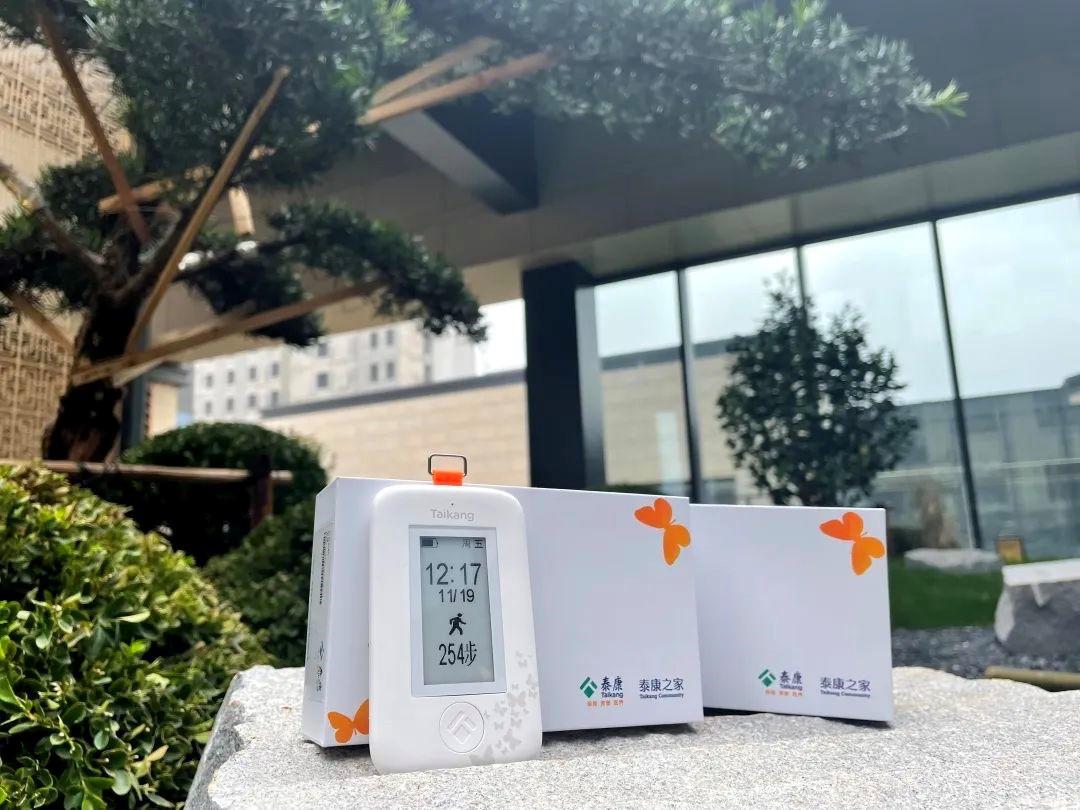
Core Insights - The article discusses the emerging trend of technology in elder care, highlighting the integration of AI and robotics to address key challenges in the industry [1][2][3] Group 1: Technology in Elder Care - Inspiren, a startup in the U.S., has developed an integrated solution that addresses core pain points in elder communities using AI predictive engines [1][2] - The company has rapidly expanded, entering 150 regular elder care communities and 33 dementia care communities within 18 months, raising over $155 million in funding [2] - Japan is also leveraging technology in elder care, with significant government investment in robotic care solutions, including over $300 million by 2018 [2] Group 2: Aging Population in China - By the end of 2024, China's population aged 60 and above is projected to reach 310 million, accounting for 22% of the total population [4] - The proportion of empty-nest elderly individuals has reached 54%, with over 12 million living alone [4] Group 3: Challenges in Healthcare System - China's healthcare system faces challenges such as fragmentation, low chronic disease control rates, and high risks associated with polypharmacy [5] - The need for a comprehensive primary care system is emphasized as a key solution to address aging-related healthcare demands [5] Group 4: Integration of Medical and Elder Care - The concept of "medical-elderly integration" is proposed as a new approach, with high-quality elder care communities increasingly incorporating professional rehabilitation and general hospitals [6] - This integration aims to provide timely medical support within elder care facilities, enhancing overall care quality [6] Group 5: Innovative Payment Models - The "Happiness Appointment" product by Taikang links insurance with elder care community services, allowing seniors to secure long-term care while managing financial pressures [19][24] - This model has seen significant market acceptance, with over 300,000 units sold, addressing the financial concerns of families seeking quality elder care [19] Group 6: Industry Dynamics and Sustainability - The elder care industry is characterized by a disparity between high demand and insufficient quality services, with many institutions struggling financially [21][22] - The article highlights the importance of sustainable business models that balance profitability with social responsibility, particularly in the context of aging populations [25]

当科技养老成为新趋势,中国如何书写本土答案?
36氪· 2025-12-31 09:20
Core Viewpoint - The article discusses the emerging trend of technology-driven elderly care, highlighting innovative solutions that address the core pain points in elderly communities, and emphasizes the need for a differentiated approach in China's aging care industry [3][6]. Group 1: Technology in Elderly Care - Inspiren, a startup in the U.S., has developed an integrated solution that uses AI to predict risks for the elderly, focusing on real-time data analysis rather than historical records [3]. - The company has rapidly expanded, entering 150 regular elderly care communities and 33 dementia care communities within 18 months, raising over $155 million in funding [4]. - Japan has also invested heavily in care robotics, with over $300 million allocated by the government for research and development by 2018, showcasing a global trend towards technology in elderly care [4]. Group 2: Challenges in China's Elderly Care - By the end of 2024, China's population aged 60 and above is projected to reach 310 million, accounting for 22% of the total population, with a significant portion living alone [9][10]. - The current fragmented healthcare system in China struggles to meet the needs of the aging population, highlighting the necessity for a more integrated approach to healthcare and elderly care [10][11]. - The article emphasizes the importance of "predictive" care models that can preemptively address health issues, as seen in innovative practices like those at TaiKang [12]. Group 3: Innovative Solutions and Models - TaiKang has integrated AI, IoT, and big data into its elderly care services, creating a smart healthcare system that includes emergency response features and personalized health management [12][14]. - The introduction of emotional support robots and AI companions is seen as a growing market, with predictions of significant revenue growth in the "AI + emotional companionship" sector [17]. - TaiKang's "Happiness Appointment" product links insurance with elderly care services, allowing seniors to secure future care while managing current financial pressures [25]. Group 4: Economic and Service Accessibility - The current elderly care landscape in China shows a disparity where approximately 90% of seniors rely on home care, while only 3% reside in care facilities, primarily due to cost and service accessibility issues [23]. - The average monthly fees for private elderly care institutions range from 4,000 to 8,000 yuan, which is often beyond the financial reach of many seniors [23]. - The article suggests that technological innovations and strategic partnerships can help reduce costs and improve service quality, making high-quality care more accessible [24][27]. Group 5: Sustainable Business Models - The article argues for a shift in the elderly care industry from a profit-driven model to one that balances social responsibility and commercial viability [29]. - TaiKang's approach combines insurance, service, and investment to create a self-sustaining ecosystem that addresses the long-term needs of the elderly [32]. - The exploration of new insurance models demonstrates that commercial value and social significance can coexist, providing a framework for sustainable elderly care solutions [33].


大厂争当AI“婆婆”
投中网· 2025-06-07 04:22
Core Viewpoint - The competition among major tech companies to create AI virtual companions, referred to as "AI grandmothers," is intensifying, with a focus on enhancing user engagement and retention through emotional connection and innovative applications [4][6][21]. Group 1: AI Virtual Companions Strategy - Major tech companies are embedding AI characters into their applications to enhance user interaction, with examples including Tencent's Yuanbao and ByteDance's Doubao, which have seen significant increases in app rankings due to these features [4][18]. - The AI social interaction sector is projected to become a leading application area, with an average usage frequency of 167.9 times per user by March 2025, indicating a strong market potential [7]. - Companies are leveraging emotional companionship to extend user engagement, with users spending an average of over 4 hours daily on these applications [17][21]. Group 2: Challenges and Technical Limitations - Despite the potential, companies face significant challenges, including technical limitations in memory retention and user experience, leading to issues like "three-day amnesia" where AI companions fail to remember past interactions [8][26]. - The current AI companionship products struggle with emotional understanding and often exhibit inconsistent behavior, which can detract from user satisfaction [27][28]. - User retention rates for leading AI applications are concerning, with many apps experiencing a three-day retention rate below 50%, and Doubao facing a 42.8% uninstall rate [30][32]. Group 3: Market Dynamics and Future Outlook - The competition is not only about user acquisition but also about retaining users in a landscape where emotional value is becoming increasingly important [22][33]. - Companies are investing heavily in marketing, with Yuanbao's advertising expenses reaching 1.4 billion yuan in Q1 2024, yet this approach alone may not ensure long-term user retention [32][34]. - The success of AI applications may ultimately depend on technological advancements rather than just emotional engagement, as evidenced by DeepSeek's rise in user numbers through technical innovation [34].