L4级别自动驾驶巴士

Search documents
当方向盘交给AI,会发生什么
2 1 Shi Ji Jing Ji Bao Dao· 2026-02-25 02:50
Core Insights - The article discusses the transformative impact of AI on urban transportation in Guangdong, highlighting the integration of autonomous driving technology and smart traffic management systems [1][2][17] - It emphasizes the collaboration between advanced manufacturing and modern services to create a new intelligent economy, enhancing safety and efficiency in urban transport [1][17] Group 1: AI Integration in Transportation - AI has been deeply integrated into transportation in Guangdong, with autonomous buses and smart traffic systems improving the flow and safety of urban transport [2][5] - The implementation of AI-driven traffic management during the 15th Games in Guangzhou resulted in zero errors, complaints, or accidents, showcasing the effectiveness of the system [9][11] Group 2: Challenges and Future of Autonomous Driving - Despite the current success, concerns remain about accountability in case of AI decision-making errors during autonomous driving [7] - Experts predict that the year 2026 will mark a significant milestone for the large-scale application of autonomous driving technology, with continuous advancements expected in the next three to five years [17][20] Group 3: Economic and Social Implications - The rise of autonomous public transport may lead to the reorganization of job roles, with traditional driving positions evolving into safety monitoring roles [13][15] - The shift towards AI in transportation is expected to reduce the number of vehicles on the road, thereby transforming urban infrastructure and reducing parking needs [15][17] Group 4: Global Impact and Market Expansion - Companies like BYD have surpassed Tesla in electric vehicle sales, indicating a growing global presence for Chinese smart transportation solutions [17][18] - The expansion of companies like XPeng into new markets reflects the international demand for AI-driven transportation solutions, contributing to the global output of China's smart traffic ecosystem [18][17]



当方向盘交给AI,会发生什么?
2 1 Shi Ji Jing Ji Bao Dao· 2026-02-25 01:19
Core Insights - The article discusses the transformative impact of AI on urban transportation in Guangdong, highlighting the integration of autonomous driving technology and smart traffic management systems [2][21] - It emphasizes the collaboration between advanced manufacturing and modern services to create a new intelligent economy, enhancing safety and efficiency in urban transport [2][18] Group 1: AI Integration in Transportation - AI technology is deeply embedded in transportation in Guangdong, with autonomous buses and smart traffic systems being implemented [3][4] - The AI-driven traffic management system successfully handled the transportation needs during the 15th Games, achieving zero errors, complaints, or accidents [10][12] Group 2: Safety and Challenges - While there have been no reported accidents with autonomous buses, concerns remain about accountability in case of AI decision-making errors [6][8] - Experts express optimism about the safety of autonomous driving based on extensive real-world data, but acknowledge that broader integration of intelligent networks is still in progress [8][10] Group 3: Future of Employment and Urban Structure - The rise of autonomous driving may lead to the transformation of job roles, with traditional drivers transitioning to safety roles rather than complete job loss [14][16] - The potential reduction in vehicle ownership and the release of urban space for parking could significantly alter city structures and traffic dynamics [16][18] Group 4: Global Impact and Future Projections - Companies like WeRide and BYD are expanding their reach globally, with BYD surpassing Tesla in electric vehicle sales and significant growth in exports [18][19] - The year 2026 is projected to be a pivotal year for the large-scale application of autonomous driving technology, with continuous advancements expected in the coming years [20][21]
自动驾驶车将开进十五运,岭南特色小巴亮相这场博览会引关注
Nan Fang Du Shi Bao· 2025-09-04 15:41
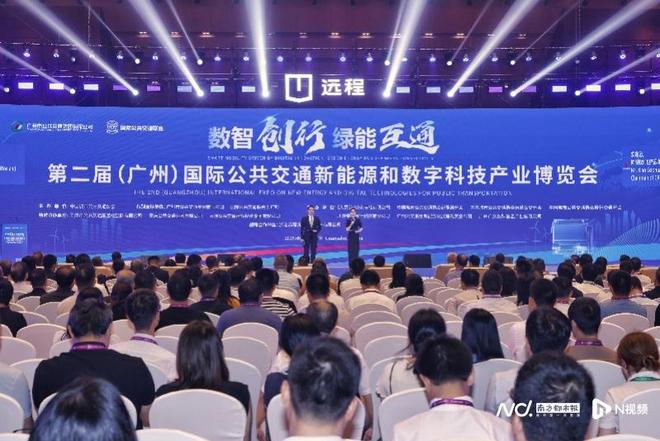
Group 1 - The second (Guangzhou) International Public Transportation New Energy and Digital Technology Industry Expo opened on September 4, showcasing the latest products and technologies in the field of public transportation new energy and digital technology [1][3] - The expo featured an exhibition area of 10,000 square meters, attracting over 70 participating companies, covering various sectors including complete vehicles, intelligent terminals, batteries, hydrogen fuel cells, and autonomous driving technology [3][7] - A notable highlight was the autonomous driving minibus, which drew significant attention from attendees, demonstrating applications in park shuttles, exhibition transportation, and cultural tourism routes [1][3] Group 2 - The Guangzhou Public Transport Group operates 50 L4 level autonomous buses and 155 autonomous taxis, with L4 buses covering 12 routes and serving over 1.19 million passengers [5] - The group plans to procure 100 additional autonomous vehicles this year, with future applications in areas such as Nansha District and University Town [5] - During the 15th Sports Games, autonomous minibuses will be used for transportation and demonstration services around venues like the Olympic Sports Center and Tianhe Sports Center [5] Group 3 - The expo included 10 parallel thematic meetings with over 80 professional reports, discussing topics such as urban sustainable development, public transport innovation, new energy applications, and AI in public transport [7] - Experts at the event explored trends in the international market for public transportation new energy and digitalization, national policy directions, and advanced technology applications [7]